2026 Top Trends in Biological Safety Cabinet Innovations and Uses?
In today's dynamic scientific landscape, the Biological Safety Cabinet (BSC) plays a crucial role in protecting laboratory personnel. These cabinets are designed to offer a sterile environment while also ensuring safety from harmful biological agents. As we look ahead to 2026, innovation in BSC technology is rapidly evolving, addressing both user needs and environmental concerns.
One remarkable trend is the integration of smart technology. This enhancement allows for real-time monitoring of airflow and contamination levels. Innovative designs also improve ergonomics, making these cabinets easier to use. However, are we focusing enough on the accessibility of these solutions? Many smaller labs still face challenges in affording cutting-edge BSCs.
Additionally, sustainability is becoming paramount. New materials and energy-efficient designs are emerging. Yet, it is essential to reflect on the balance between cost and advancement. The growing demand for safer laboratory practices must be paired with an awareness of economic limitations. Recognition of these complexities will shape future innovations in Biological Safety Cabinets.
Emerging Technologies in Biological Safety Cabinet Design for 2026
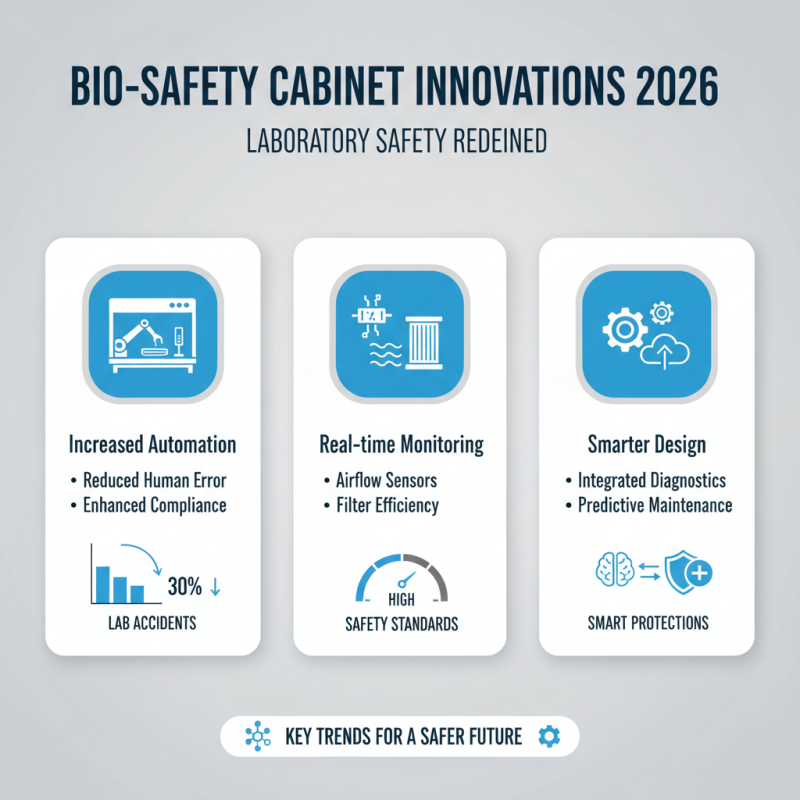
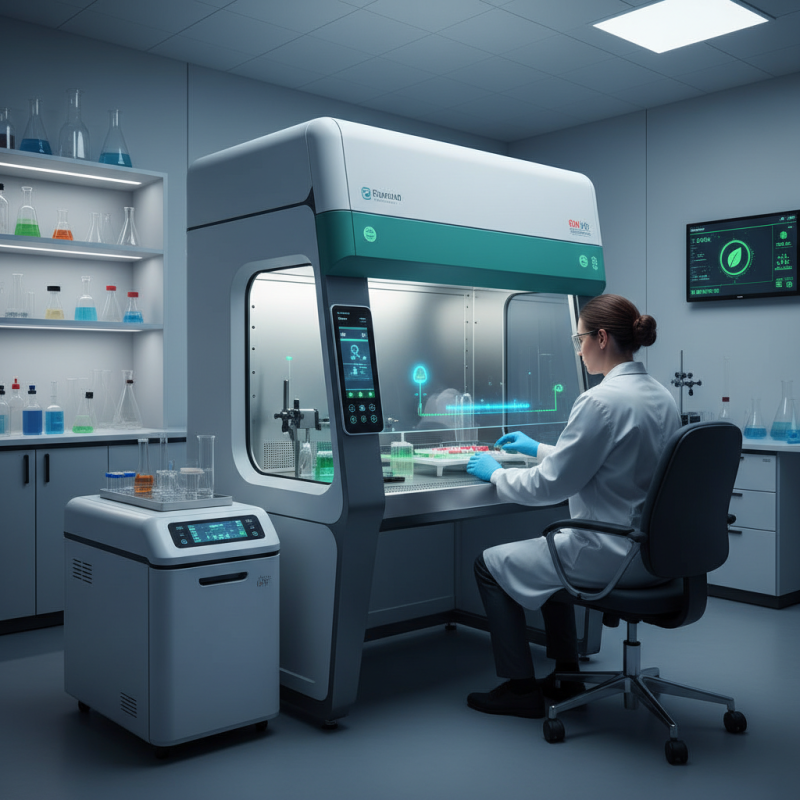
Emerging technologies in biological safety cabinet (BSC) design for 2026 are set to redefine laboratory safety and efficiency. Increased automation in BSCs is one key trend. Sensors will help monitor air flow and filter efficiency in real-time. This automation can reduce human error and increase compliance with safety standards. According to recent industry reports, up to 30% of laboratory accidents occur due to improper handling of biological materials. Enhanced monitoring could significantly lower this statistic.
Another innovation is the integration of smart technology. BSCs equipped with IoT features enable remote monitoring and data analysis. This capability allows researchers to optimize their workflows while ensuring safety. A study by the Laboratory Safety Institute highlights that over 50% of laboratories lack up-to-date safety protocols. Smart BSCs can help bridge this gap by providing timely alerts and data-driven insights.
However, the reliance on technology raises questions. Dependence on automated systems can lead to complacency among lab staff. Regular training remains crucial. While innovation is necessary, it is essential to balance it with human oversight and education. The journey toward safer labs is ongoing and must involve both technologies and human diligence.
Enhanced Filtration Systems: Innovations in Air Quality Control
In recent years, innovations in biological safety cabinets have been focused on enhanced filtration systems. Air quality control is vital for labs working with sensitive materials. Improved filters can trap more contaminants, leading to safer work environments. Researchers are concerned about air quality and need reliable systems for protection.
One significant advancement is the use of HEPA filters, which capture small particles effectively. This technology has evolved, offering even better filtration efficiency. Some units now include activated carbon to reduce odors and volatile compounds. It’s important for users to understand their needs. Choosing the right filtration system can make a difference.
Tips for selecting a biological safety cabinet:
Look for features that suit your specific research. Consider cabinet size and airflow patterns. Regular maintenance is crucial. Dirty filters can compromise safety. Monitor and replace them as needed. Always follow manufacturer recommendations. Prioritize air quality; it’s non-negotiable in lab environments.
User-Centric Features: Ergonomics and Interface Improvements
In the realm of biological safety cabinets, user-centric design has gained prominence. Ergonomics plays a crucial role in enhancing safety and usability. Reports indicate that over 60% of laboratory personnel experience discomfort from poorly designed workspaces. Improving designs ensures that users can maintain focus during critical tasks.
Interface improvements, such as touchscreens and easy-to-read displays, are becoming standard. These features minimize user errors, which can lead to safety breaches. According to the latest studies, intuitive interfaces can reduce training time by 40%. Users can quickly adapt, making labs more efficient. However, it’s vital to recognize that not all designs are equally effective. Continuous feedback from users can highlight areas requiring attention.
Tips: Regularly assess your workstation setup. Small adjustments can lead to significant comfort improvements. Consider upgrading interfaces that prioritize visibility and accessibility. Engage with colleagues to gather insights on usability challenges they face. Small conversations can lead to essential changes.
Integration of Smart Technology: IoT and Automation in Workspaces
The integration of smart technology into biological safety cabinets (BSCs) is transforming laboratory workspaces. According to a recent industry report, the implementation of IoT technology is expected to increase by 30% over the next three years. This surge reflects a growing demand for enhanced safety and efficiency in handling biohazardous materials.
Automation in BSC design allows for real-time monitoring of airflow and contamination levels. These features can alert users immediately if contamination is detected. This proactive approach helps maintain a sterile environment, crucial for experiments involving pathogens. Data from the Global BSC Market Analysis shows that automated systems can reduce human error by up to 50%. However, reliance on technology poses a risk; system failures can lead to hazardous situations.
Despite advancements, some labs face challenges with user training. Not all staff members understand how to interpret automated alerts effectively. Additionally, integrating these systems incurs costs that can strain smaller laboratories. As innovation continues, a balance must be struck between advanced technology and user competence. Adapting to these changes requires ongoing education and awareness within the scientific community.
Sustainability Trends: Eco-Friendly Materials and Energy Efficiency
The importance of sustainability in laboratory environments is becoming increasingly clear. Biological safety cabinets (BSCs) are essential in labs, and their environmental impact is significant. Reports show that traditional BSCs consume large amounts of energy and materials, contributing to high operational costs and environmental strain. Eco-friendly designs can reduce this impact.
New innovations focus on sustainable materials and energy efficiency. For instance, using recyclable components can minimize waste. Energy-efficient designs can cut power consumption by up to 30%. Laboratories are encouraged to assess the carbon footprint of their equipment. A recent survey indicated that over 70% of labs are now prioritizing sustainability in their purchasing decisions.
However, moving towards sustainability presents challenges. Not all eco-friendly materials meet the performance standards needed in critical environments. Some labs may grapple with the balance between cost and sustainability. Monitoring these trends is essential for adapting strategies in the long run. Emphasizing energy efficiency without compromising safety is a delicate task that requires careful planning.