What is an Acid-Base Cabinet and How Does It Work?
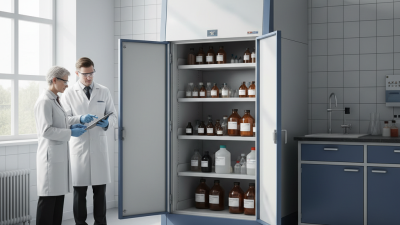
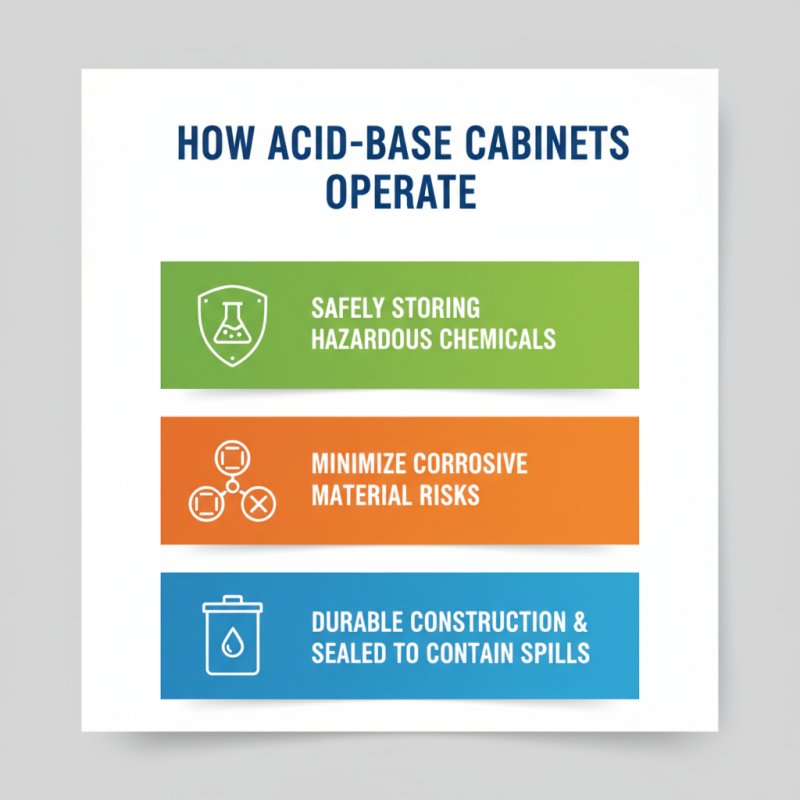
An Acid-Base Cabinet is a vital piece of equipment in many laboratories. It is specifically designed to store corrosive chemicals safely. The design ensures that hazardous substances remain contained, minimizing risks to personnel and the environment. These cabinets transform the way we handle acids and bases.
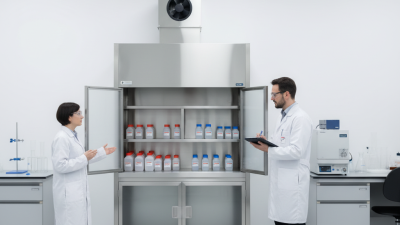
Understanding how an Acid-Base Cabinet functions is essential for any lab professional. Its features include specialized ventilation and materials that resist corrosion. These elements work together to offer protection. Additionally, proper training is crucial. Users must be aware of the specific requirements for using an Acid-Base Cabinet effectively.
Despite advancements, some challenges persist. Not all labs have adequate space for these cabinets. Additionally, improper usage may still pose risks. Regular training and inspections can mitigate these issues. By fostering a culture of safety, laboratory environments can enhance their operations. An Acid-Base Cabinet is not just equipment; it is a commitment to safe practices.
What is an Acid-Base Cabinet?
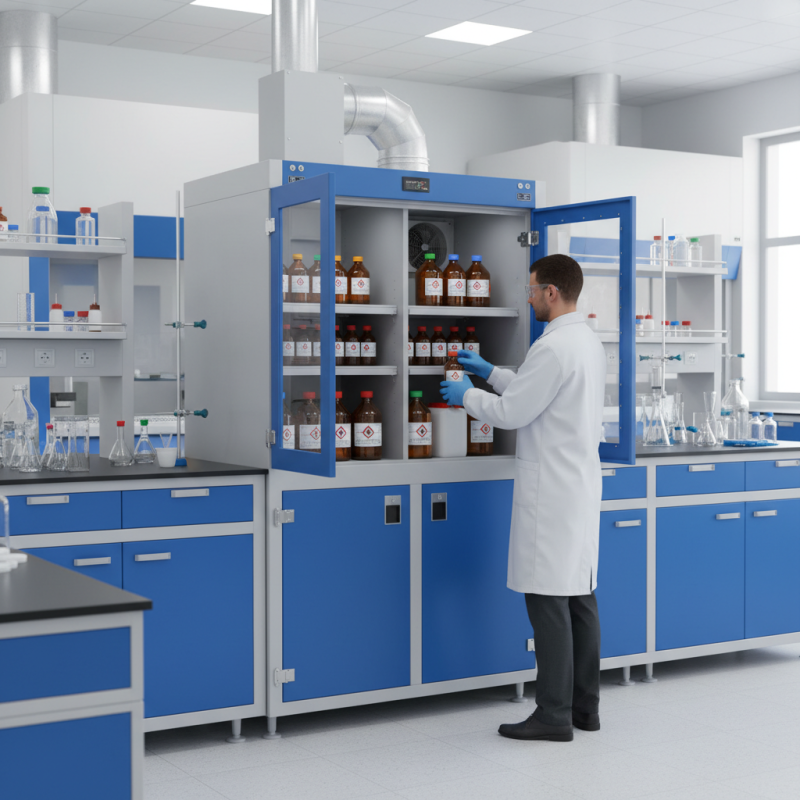
An acid-base cabinet is a specialized storage unit designed for safely containing corrosive chemicals. These cabinets help to minimize the risks associated with chemical spills and exposure. According to a report by the American National Standards Institute (ANSI), nearly 31% of workplace incidents involve improper chemical storage. This highlights the critical need for appropriate solutions like acid-base cabinets.
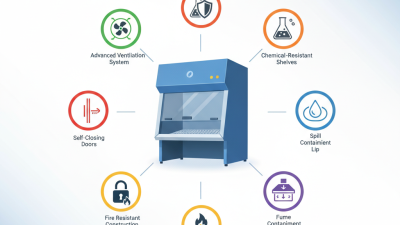
Acid-base cabinets typically feature a robust construction, made from materials resistant to corrosion, such as polyethylene or galvanized steel. Many models come with double-walled construction for added protection. They often have automatic close doors and ventilated systems to reduce the build-up of hazardous fumes. The Occupational Safety and Health Administration (OSHA) emphasizes that proper ventilation can significantly lower the risk of inhalation exposure, addressing a key concern in laboratories and industrial environments.
Despite their design, there can still be challenges. For instance, users may neglect to follow the specific guidelines for chemical storage, which can lead to dangerous outcomes. Regular inspections are essential, yet many workplaces do not conduct them adequately. Recognizing these shortcomings is vital for enhancing safety protocols and ensuring that acid-base cabinets serve their intended purpose effectively.
What is an Acid-Base Cabinet and How Does It Work?
| Feature |
Description |
| Purpose |
Designed to store acids, bases, and hazardous materials safely |
| Material |
Constructed from corrosion-resistant materials like polyethylene or steel |
| Ventilation |
Equipped with ventilation systems to prevent accumulation of harmful vapors |
| Storage Capacity |
Varies typically from 15 to 100 gallons depending on the model |
| Features |
Includes secondary containment, locking mechanisms, and safety signage |
| Compliance |
Meets OSHA, EPA, and NFPA standards for hazardous materials storage |
| Typical Use |
Commonly found in laboratories, schools, and industrial facilities |
| Maintenance |
Regular inspections and cleanings to ensure safety and compliance |
Key Features of Acid-Base Cabinets
Acid-base cabinets are specialized storage units designed to safely contain hazardous materials. These cabinets are essential for laboratories handling corrosive substances. They help prevent spills and exposure, ensuring a safer work environment. The design of these cabinets includes chemical-resistant materials that can endure harsh conditions.
Key features of acid-base cabinets include double-walled construction. This design provides an extra layer of protection against leaks. Many models come with adjustable shelves for customizable storage. The cabinets often include venting options to disperse harmful fumes. Some may even feature containment trays to capture spills effectively.
Proper labeling is crucial for these cabinets. Users must clearly identify the contents to avoid mishandling. The need for regular inspections arises, ensuring all components work effectively. Neglecting maintenance can undermine safety. Even with advanced technology, human error remains a risk. Continued training for laboratory staff enhances safety and compliance.
Applications of Acid-Base Cabinets in Laboratory Settings
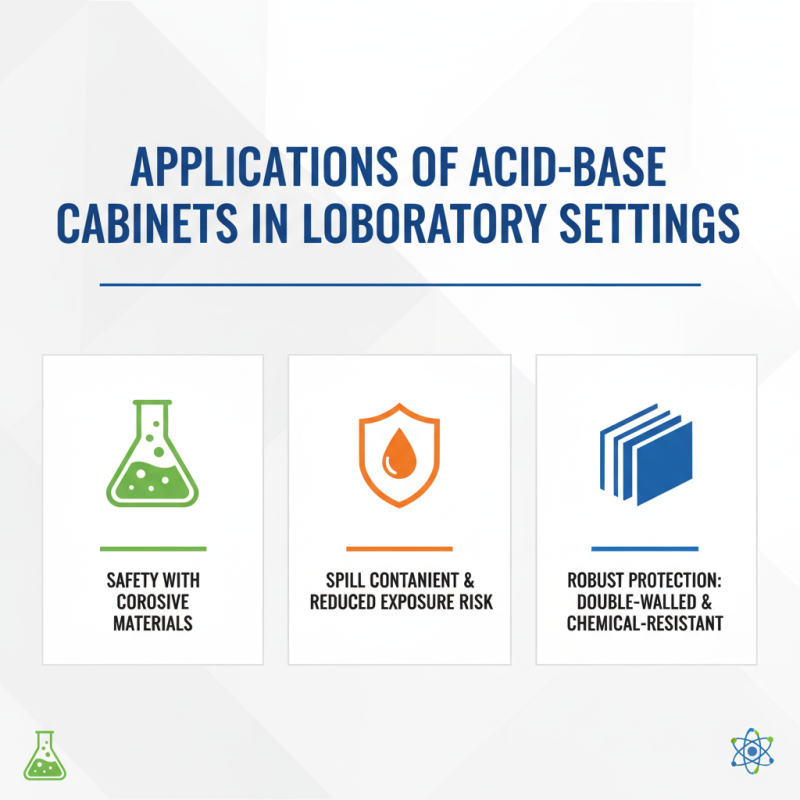
Acid-base cabinets play a crucial role in laboratory settings, ensuring safety when handling corrosive materials. These cabinets are designed to contain spills, reducing the risk of exposure. They typically feature double-walled constructions and chemical-resistant coatings, providing robust protection.
In research labs, the application of acid-base cabinets is particularly significant. According to a study by the National Institute for Occupational Safety and Health (NIOSH), improper storage of hazardous chemicals leads to over 25% of workplace incidents. Cabinets facilitate safe storage, minimizing accidents. A proper environment encourages sound research practices, enhancing productivity.
Moreover, acid-base cabinets are essential in academic settings. A report by the American Chemical Society indicates that around 30% of reported lab accidents stem from chemical misuse. By implementing cabinets, institutions can reduce these risks effectively. Laboratory managers must regularly assess the effectiveness of their storage solutions, considering upgrades when outdated models are in use. Ensuring that equipment meets current standards is key to fostering a safe educational environment.
Benefits of Using Acid-Base Cabinets for Chemical Storage
Acid-base cabinets play a crucial role in chemical storage. These specialized cabinets are designed to securely hold corrosive materials. They help prevent leaks and spills, reducing hazards in laboratories and storage areas. By using an acid-base cabinet, organizations can enhance safety and comply with regulations.
One significant benefit of acid-base cabinets is their durability. Made from robust materials, they resist corrosion and chemical degradation. This makes them reliable over time. Additionally, their built-in features, such as ventilation systems, help minimize harmful fumes. It is essential, however, to inspect these cabinets regularly for wear and tear. Neglecting maintenance can lead to potential risks.
Proper organization within the cabinet further boosts safety. Clearly labeling containers reduces confusion and ensures easy access. A cluttered cabinet can hinder effectiveness. Users must be cautious and not overlook this detail. Involving workers in safety training can encourage them to take ownership. Engaging teams can foster a culture of safety, promoting vigilance in chemical handling.
Benefits of Using Acid-Base Cabinets for Chemical Storage