Top 10 Benefits of Using Centrifugal Fans in Industrial Applications
In the realm of industrial applications, the significance of efficient airflow management cannot be overstated. As noted by industry expert Dr. Emily Thornton, a leading authority on ventilation systems, "Centrifugal fans are the backbone of efficient industrial processes, providing reliable and consistent airflow that is critical for maintaining operational integrity." This statement underlines the importance of centrifugal fans and their versatile applications across various industrial sectors.
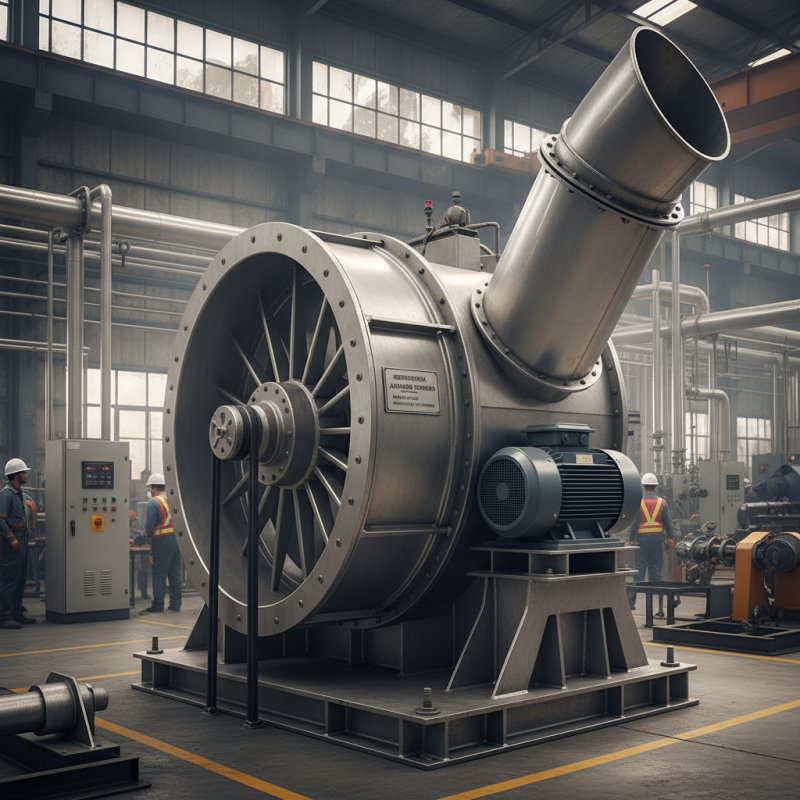
Centrifugal fans operate by converting rotational energy from a motor into airflow, making them essential components in systems that require significant air movement. From ensuring proper ventilation in manufacturing facilities to optimizing dust collection systems in woodworking shops, the benefits of centrifugal fans extend across a diverse range of applications. Their ability to handle varied air volumes and pressures while maintaining energy efficiency positions them as a preferred choice among engineers and facility managers alike.
As organizations strive to enhance productivity and improve workplace environments, understanding the top benefits of using centrifugal fans is crucial. By examining the unique capabilities and advantages these fans offer, industries can make informed decisions that elevate their operational performance and support sustainable practices.
Advantages of Centrifugal Fans in Industrial Settings
Centrifugal fans are vital components in various industrial settings, offering numerous advantages that contribute to operational efficiency and safety. One of the primary benefits is their ability to handle large volumes of air while providing high-pressure output. According to a report by the American Society of Heating, Refrigerating and Air-Conditioning Engineers (ASHRAE), centrifugal fans can achieve pressure increases up to 12 inches of water column, making them suitable for applications requiring significant airflow against system resistance. This characteristic is particularly beneficial in environments such as material handling and dust collection, where effective ventilation is crucial.
Additionally, centrifugal fans are known for their versatility and efficiency. They can be designed to meet specific needs, such as high temperature or corrosive environments, allowing industries to optimize their processes. Industry studies, like those from the Center for Industrial Research and Technology, have shown that implementing centrifugal fans can lead to energy savings of up to 30% compared to other fan types. This not only lowers operational costs but also reduces the environmental impact, making centrifugal fans a preferred choice for industries striving for sustainability. Their robust construction and relatively low maintenance requirements further enhance their appeal, ensuring reliable performance over extended periods.
Top 10 Benefits of Using Centrifugal Fans in Industrial Applications
| Benefit |
Description |
Application Areas |
| High Efficiency |
Centrifugal fans provide high airflow rates with lower energy consumption. |
HVAC, dust collection systems |
| Versatility |
Can be used for various applications including exhaust, pressure, and cooling. |
Manufacturing, mining |
| Durability |
Built to withstand harsh environments and continuous operation. |
Chemical processing, food production |
| Noise Reduction |
Designed to minimize noise levels during operation. |
Commercial buildings, hospitals |
| Customizable |
Available in various sizes, shapes, and specifications. |
Research labs, automation systems |
| Low Maintenance |
Fewer moving parts result in reduced maintenance needs. |
Warehouses, processing plants |
| Safety |
Designed with safety features to prevent accidents during operation. |
Construction sites, power plants |
| Cost-Effectiveness |
Lower operational costs due to energy efficiency. |
Various industrial sectors |
| Improved Air Quality |
Enhances ventilation and removes airborne contaminants. |
Manufacturing, food processing |
| High Performance |
Able to operate under challenging conditions with high reliability. |
Mining, chemical production |
Improved Airflow and Ventilation with Centrifugal Fans
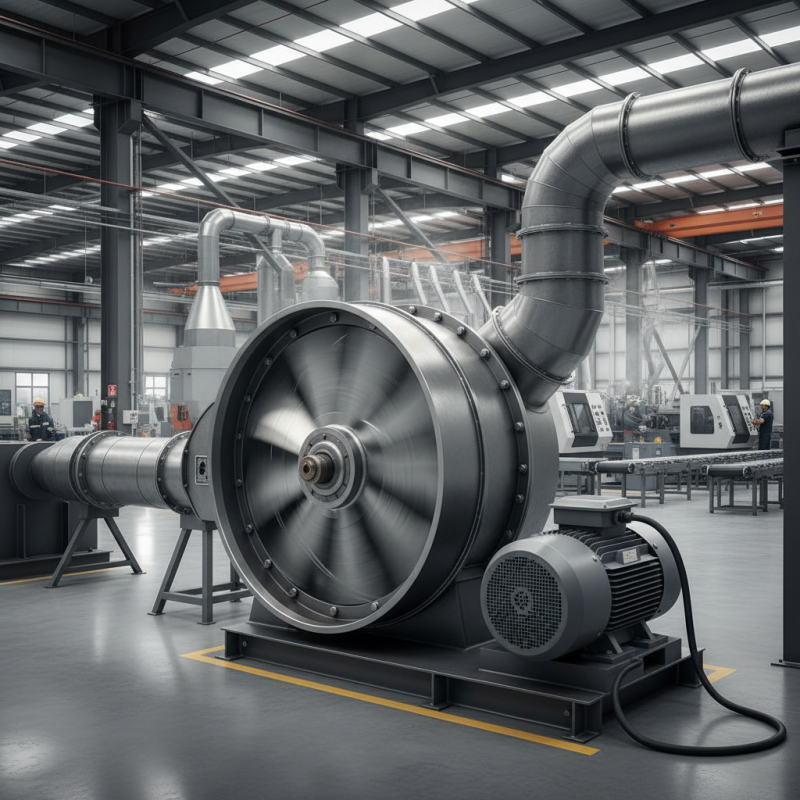
Centrifugal fans play a crucial role in enhancing airflow and ventilation in various industrial applications. By converting rotational energy from a motor into kinetic energy of air, these fans effectively propel air through duct systems, ensuring an efficient distribution of air. Their design enables them to produce a high volume of airflow while maintaining a relatively low noise level, making them suitable for environments where sound control is necessary. This improved airflow not only fosters better indoor air quality but also helps regulate temperature and humidity levels, creating a more comfortable working environment for employees.
In industries such as manufacturing, food processing, and HVAC, proper ventilation is essential to the overall safety and efficiency of operations. Centrifugal fans facilitate the removal of contaminants, excess heat, and moisture from the workspace, thereby minimizing the risks associated with poor air quality. Additionally, their ability to maintain continuous airflow helps in meeting regulatory standards regarding workplace safety and health. With their robust construction and adaptability, centrifugal fans can handle various operating conditions, ensuring reliable performance in demanding environments. This makes them an essential component in optimizing industrial airflow and ventilation systems.
Top 10 Benefits of Using Centrifugal Fans in Industrial Applications
Energy Efficiency: Long-Term Cost Savings from Using Centrifugal Fans
Centrifugal fans play a crucial role in various industrial applications, primarily due to their energy efficiency, which directly translates into long-term cost savings. These fans are designed to handle large volumes of air while maintaining a high pressure, making them ideal for processes that require consistent airflow and reliable performance. By optimizing the fan design and operation, industries can significantly reduce their energy consumption, leading to decreased utility bills and overall operational costs.
Moreover, the advanced technology used in centrifugal fans allows for variable speed control, enabling users to adjust the fan’s performance according to specific requirements. This capability not only enhances the system's efficiency by matching the airflow to the demand but also minimizes wear and tear on the equipment, prolonging its lifespan. As industries increasingly focus on sustainability and cost-effectiveness, the adoption of energy-efficient centrifugal fans becomes a strategic investment that supports both environmental goals and financial health.
Durability and Reliability in Harsh Industrial Environments
Centrifugal fans play a crucial role in maintaining operational efficiency across various industrial sectors, particularly in harsh environments where
durability and reliability are paramount. According to the American Society of Mechanical Engineers (ASME), centrifugal fans are specifically designed to withstand
extreme temperatures, corrosive materials, and potentially hazardous operating conditions. This robustness is essential, as industries such as mining, chemical processing, and manufacturing often require equipment that can endure continuous, rigorous use without compromising performance.
Moreover, a report by the Industrial Fan and Blower Association (IFBA) emphasizes the importance of selecting fans that feature
high-quality materials and design innovations, which further enhance durability. For instance, using corrosion-resistant coatings and advanced motor technologies can significantly extend the lifespan of centrifugal fans, thus reducing maintenance costs by up to
30% over time. Additionally, regular performance assessments can help identify potential issues before they escalate, ensuring operational reliability even in the most demanding settings. This level of dependability is critical in preventing downtime and protecting valuable production processes in industrial applications.
Versatility of Centrifugal Fans for Various Industrial Applications
Centrifugal fans have gained prominence across various industrial applications due to their exceptional versatility and performance. According to a report by MarketsandMarkets, the industrial ventilation market is expected to reach $30 billion by 2026, highlighting the critical role that effective airflow management plays in manufacturing processes, waste management, and environmental control. These fans can be adapted for different functions such as exhaust, cooling, and conveying, making them an essential component in industries ranging from food processing to pharmaceuticals.
One notable advantage of centrifugal fans is their ability to efficiently handle both low and high-pressure applications. This flexibility allows industries to maintain optimal operational conditions while enhancing energy efficiency. A study by the American Society of Mechanical Engineers indicates that well-designed fans can improve operational efficiency by up to 30%. Furthermore, centrifugal fans can operate effectively in environments with varying levels of humidity and temperature, accommodating the needs of diverse sectors. Their robust construction and ability to handle particulate-laden air contribute to their reliability in harsh industrial settings, reinforcing their status as an indispensable tool for improving productivity and safety.