Best Ultra Clean Workbench Solutions for Global Buyers?
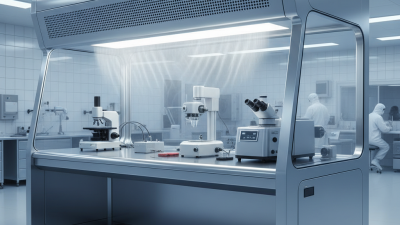
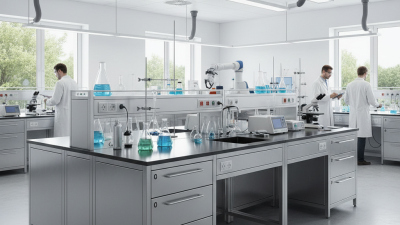
In today's high-tech world, maintaining cleanliness in work environments is crucial. An "Ultra Clean Workbench" stands out as a vital solution for various industries. These workbenches are designed to minimize contamination in sensitive settings, such as laboratories and manufacturing plants.
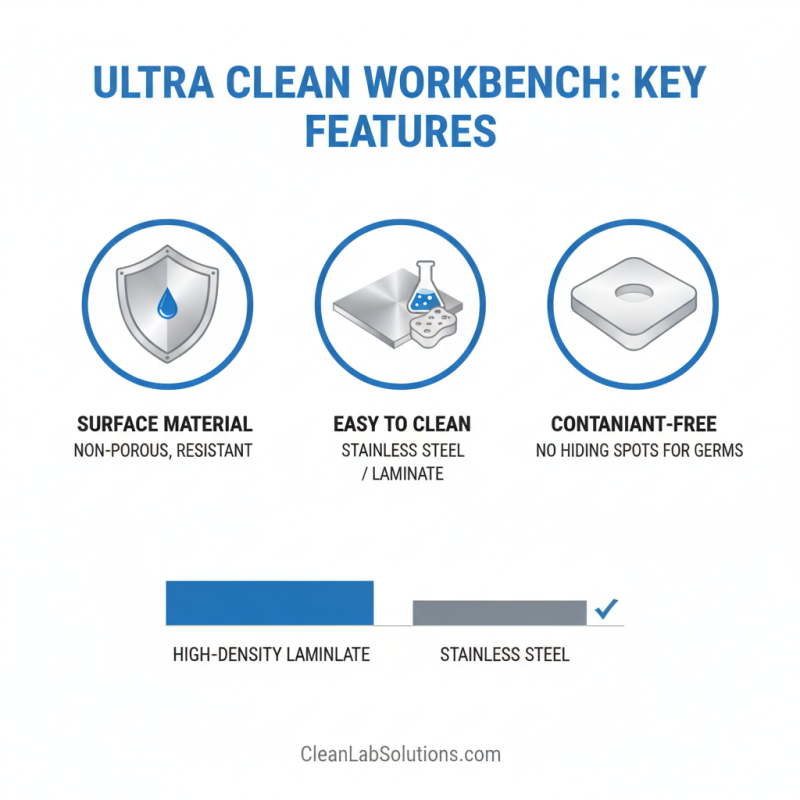
When selecting the best ultra clean workbench solutions, buyers face numerous choices. Factors like material, airflow design, and size should be considered carefully. While many products claim to deliver superior cleanliness, not all benchmark against industry standards. This inconsistency can lead to frustration for global buyers seeking reliable options.
In the pursuit of quality, understanding specific needs is essential. Each workspace has unique requirements that influence the type of ultra clean workbench needed. While some solutions may seem ideal at first glance, they might not address all concerns effectively. Reflecting on past experiences can guide buyers toward better decisions in their search for cleanliness and efficiency.
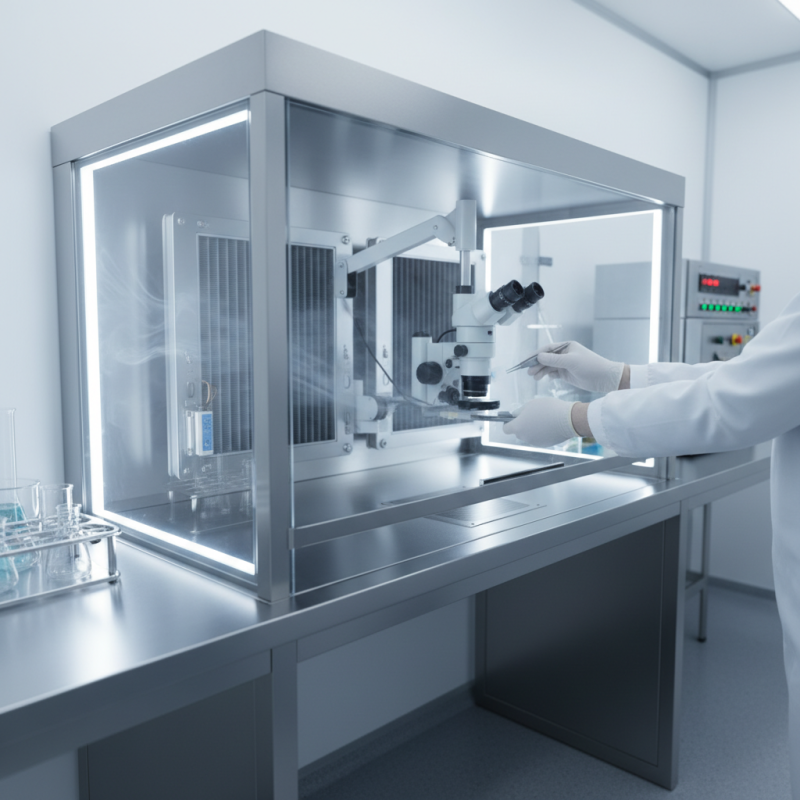
Types of Ultra Clean Workbenches Available for Purchase
When considering ultra clean workbenches, it's essential to understand the types available in the market. Ultra clean workbenches are designed for environments that require contaminant-free conditions. They are widely used in pharmaceuticals, electronics, and laboratories. Research indicates that the global market for cleanroom furniture is expected to grow significantly, reaching over $3 billion by 2025.
There are several types of ultra clean workbenches to explore. First, there are vertical laminar flow workbenches. These utilize HEPA filters to create a sterile environment by directing air downward. They are essential for applications where contamination directly affects product integrity. Another type is the horizontal laminar flow workbench. This design provides a steady airflow across the work surface, protecting samples from airborne particles.
While these solutions offer excellent protection, they aren't without drawbacks. Variations in airflow can sometimes lead to uneven clean conditions. Furthermore, some users may find maintenance demanding. Regular filter changes and cleanings are necessary to maintain effectiveness. However, investing in the right ultra clean workbench can significantly enhance product quality and safety.
Top Global Suppliers of Ultra Clean Workbench Solutions
Ultra clean workbenches play a crucial role in various industries, including pharmaceuticals, electronics, and biotechnology. These specialized workstations help maintain cleanliness and prevent contamination. According to a recent industry report, the demand for ultra clean environments is growing at a rate of 8% annually worldwide.
Many top global suppliers offer innovative solutions tailored to specific needs. They focus on various factors like airflow, materials, and design. Customization options are now more prevalent, allowing organizations to create an ideal workspace. For example, the integration of HEPA filters effectively removes contaminants. This ensures a cleaner working environment.
Tips: Regular maintenance is vital for optimal performance. Clean filters and surfaces can significantly affect cleanroom efficiency. Don't overlook the importance of user training. Proper usage and care of ultra clean workbenches enhance their lifespan and effectiveness.
Beyond advancements, challenges remain. Some users report difficulties in achieving desired cleanliness levels. Others point out that high costs can limit access. Recognizing these obstacles leads to better solutions in future designs. It is essential to assess the entire system, not just the workbench itself, for improved efficiency.
Cost Analysis of Investing in Ultra Clean Workbenches
When considering investing in ultra clean workbenches, a comprehensive cost analysis is essential. These specialized workspaces are crucial for industries like pharmaceuticals and semiconductor manufacturing. Their effectiveness directly impacts product quality and operational efficiency. However, the initial investment can be significant. Evaluating both direct and indirect costs is key.
Tips for managing expenses include assessing your actual needs. Not every operation requires a high-end model. Evaluate the size, airflow, and filtration system based on your specific applications. It's essential to understand the long-term benefits of maintaining a contaminant-free environment. Effective maintenance can prevent costly production downtimes and scrappage rates.
It's worth noting that the sometimes steep upfront costs might lead to sticker shock. Also, consider energy consumption and potential upgrades over time. Balancing short-term budget constraints with long-term benefits is challenging. Therefore, revisiting your operational needs regularly can help you make informed decisions that align with your growth.
Best Practices for Maintaining Ultra Clean Workbench Environments
Maintaining ultra clean workbench environments is essential in sectors like pharmaceuticals and electronics. Contamination can lead to significant losses. Research shows that up to 80% of defects in manufacturing come from environmental contamination. Strict cleanliness practices help avoid such pitfalls.
Regularly assess the workbench for potential contaminants. Daily cleaning routines should include disinfecting all surfaces. Use specialized cleaning agents designed for your specific environment. A study highlighted that cleanroom workspaces demonstrate a 30% increase in workflow efficiency. This points to how cleanliness translates to productivity.
Personnel training is vital. Employees must understand the significance of protocol compliance. After all, human error often contributes to contamination. Reports indicate that 20% of contamination events stem from improper handling by staff. Regular feedback and refresher courses can improve adherence to standards. Encouraging a culture of cleanliness may require ongoing effort but is ultimately necessary for maintaining ultra clean environments.