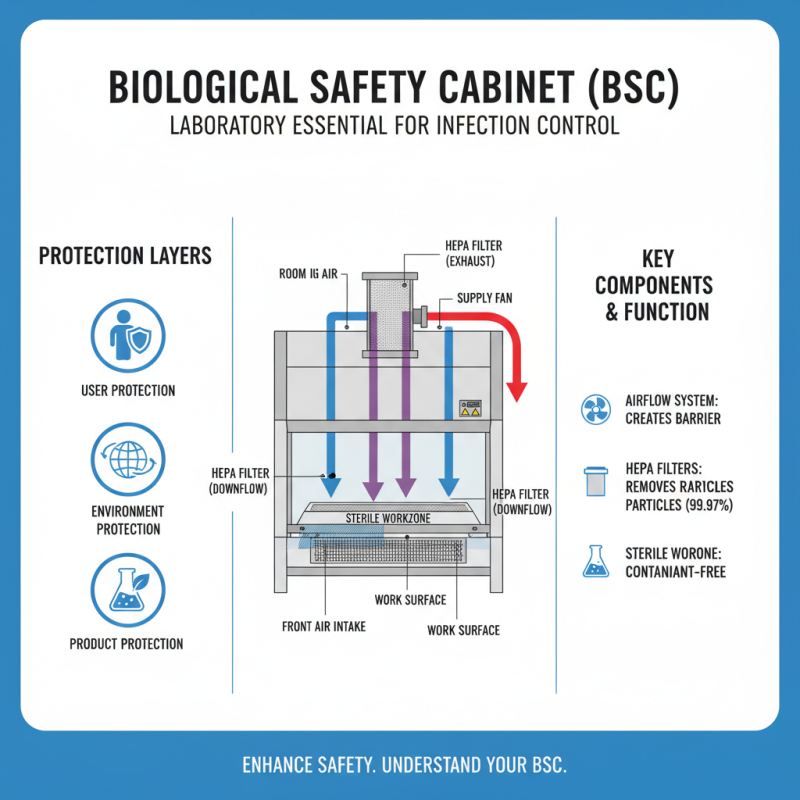
What is a Biological Safety Cabinet and How Does It Work?
A Biological Safety Cabinet (BSC) is essential for laboratory safety. It protects both the user and the environment from hazardous biological agents. Dr. Emily Dawson, a leading expert in bio-safety, states, "The right Biological Safety Cabinet can make all the difference in preventing contamination."
In many laboratories, BSCs are crucial for conducting experiments safely. They create a sterile workspace by filtering air and containing pathogens. This design minimizes risks during handling of dangerous materials. However, not all cabinets are created equal. Choosing the right type and ensuring proper maintenance is vital.
Utilizing a Biological Safety Cabinet does require reflection and awareness. Many users overlook routine checks and necessary training. The effectiveness of a BSC depends not only on its design but also on the operator's diligence. For labs to function safely, ongoing education and proper use of BSCs are key.
What is a Biological Safety Cabinet?
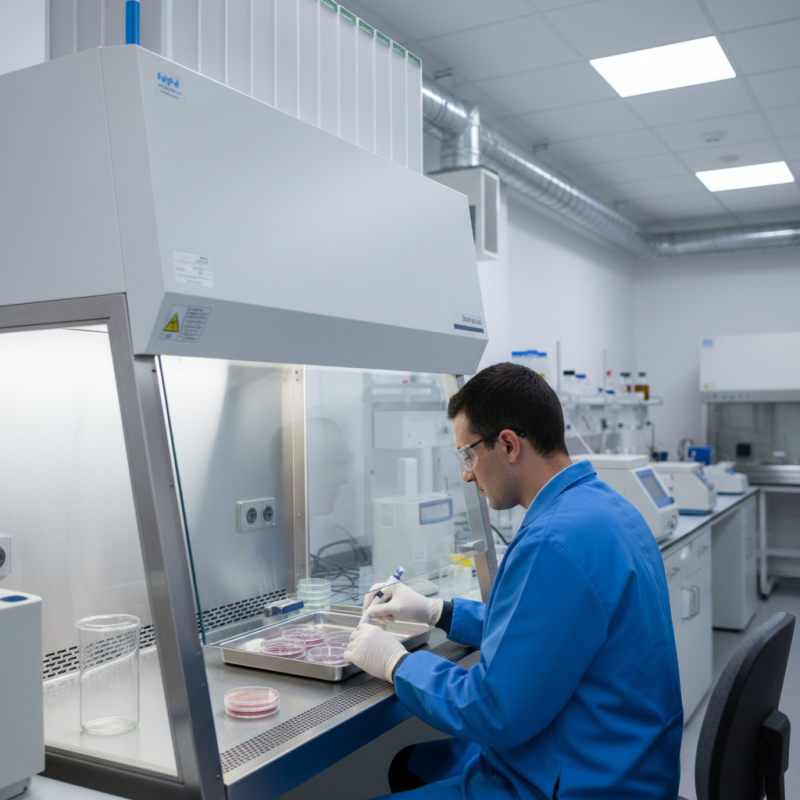
A Biological Safety Cabinet (BSC) is a vital piece of equipment in laboratories. It protects users from exposure to harmful biological agents. BSCs are designed to contain aerosols and prevent contamination of samples. They draw air through a HEPA filter that traps particles, ensuring a safe working environment.
Data from the National Institutes of Health indicates that improperly used BSCs can lead to contamination. A 2020 report showed that 30% of labs did not follow standard operating procedures when using these cabinets. This reveals a significant gap in safety protocols. Proper training for laboratory personnel is critical. Without it, the risk of exposure increases dramatically.
BSCs come in different classes, each suitable for specific tasks. Class II cabinets provide both personnel and product protection. However, the effectiveness largely depends on proper usage. Routine maintenance is necessary but often neglected. A report by the Centers for Disease Control and Prevention found that 25% of BSCs needed servicing to ensure safety. This highlights an area of concern for laboratories globally, emphasizing the need for continual evaluation and training.
Types of Biological Safety Cabinets and Their Applications
Biological safety cabinets (BSCs) are essential in laboratories. These specialized enclosures protect users from exposure to biohazards. There are several types of BSCs. Each type serves a specific function based on the risk level of the materials handled.
Class I BSCs offer personnel protection but not product protection. They pull air through a front grille, allowing air to circulate while keeping contaminants contained. They are suitable for working with low-risk pathogens. In contrast, Class II BSCs provide both personnel and product protection. They utilize HEPA filters to retain aerosols and microbes. These cabinets are commonly used for cell culture, microbiology, and other applications that require sterility.
Another type, Class III BSCs, are entirely sealed and suitable for handling high-risk pathogens. These cabinets have glove ports, allowing manipulation without exposure. However, not all labs require such stringent devices. Choosing the right cabinet depends on the specific work and level of risk. Some may overlook the importance of adequate training in using BSCs effectively. Proper understanding ensures safety and optimal performance in handling biological materials.
Applications of Biological Safety Cabinets
Key Components and Features of a Biological Safety Cabinet
A Biological Safety Cabinet (BSC) is essential for laboratories handling infectious materials. It protects the user, the environment, and the products inside. The design uses airflow to create a sterile workspace. Understanding its key components can enhance safety.
The cabinet features a front sash opening, HEPA filters, and an exhaust system. The sash ensures a barrier between the user and potential hazards. HEPA filters capture airborne particles, achieving 99.97% efficiency for particles as small as 0.3 microns. Recent studies show that the airflow velocity can impact the cabinet’s effectiveness. A typical airflow speed is 100 feet per minute, but small variations can influence contamination risks.
Maintenance is crucial. Regular testing ensures filters remain functional. Compliance with standards set by organizations like the CDC is vital. A poorly maintained cabinet might not protect adequately. For example, a report indicated that about 20% of BSCs in use showed reduced airflow rates due to filter clogging. This emphasizes the need for routine checks. Proper training for users can prevent mishaps. Even small lapses can lead to significant risks.
How Biological Safety Cabinets Provide Protection
Biological safety cabinets (BSCs) are essential in labs handling infectious materials. These cabinets provide crucial protection for both users and the environment. They work by creating a controlled airflow that prevents contaminants from escaping.
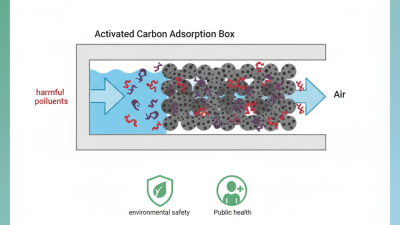
The unique design of BSCs includes filters. These filters trap airborne particles, ensuring that harmful substances remain contained. When the cabinet is in use, any air that flows into it is purified. This process safeguards not only the user but also the surrounding area.
Tips: Always check the filters regularly. A blocked filter can compromise safety. Ensure the cabinet is on a stable surface, as vibrations can disrupt airflow. Remember to close the front sash when working within the cabinet, as this maintains proper airflow patterns.
Using BSCs requires training. Users must understand their operation to ensure maximum protection. Misuse can lead to dangerous situations. Familiarity with the cabinet's features is vital. Pay close attention to the airflow indicators; they can be your best friend against contamination. Regular maintenance and monitoring should be part of lab protocols.
Best Practices for Using and Maintaining Biological Safety Cabinets
Biological Safety Cabinets (BSCs) are essential for handling pathogens and hazardous materials in laboratories. Proper maintenance and usage practices are crucial for ensuring safety on multiple levels. According to the Centers for Disease Control and Prevention (CDC), an estimated 95% of laboratory-acquired infections can be prevented with proper BSC protocols. This highlights the importance of adhering to best practices.
One key practice is ensuring regular decontamination of the cabinet surfaces. Use appropriate disinfectants after each session. The World Health Organization (WHO) recommends using 10% bleach or 70% ethanol for effective disinfection. Remember that some surfaces can degrade with frequent exposure. Regularly check for any signs of wear or damage. A 2020 study indicated that over 40% of BSCs had airflow issues due to poorly maintained filters. Effective monitoring of airflow is essential.
Another practice involves conducting frequent training sessions for all personnel. Lack of knowledge can be dangerous. Statistics show that improper use results in approximately 30% of accidents in BSC environments. Training ensures that users understand how to use the cabinets effectively. Encourage users to report any concerns or malfunctions. This proactive approach can help in avoiding potential hazards. Regularly reviewing operating procedures can reveal improvements.