2026 How to Build an Effective Anti-Static Workbench for Electronics?
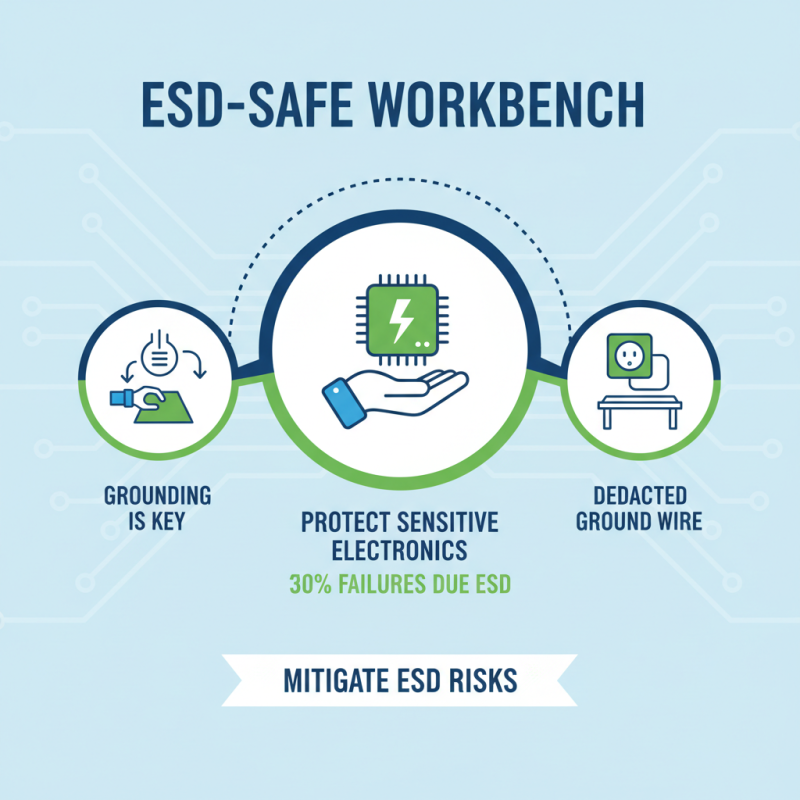
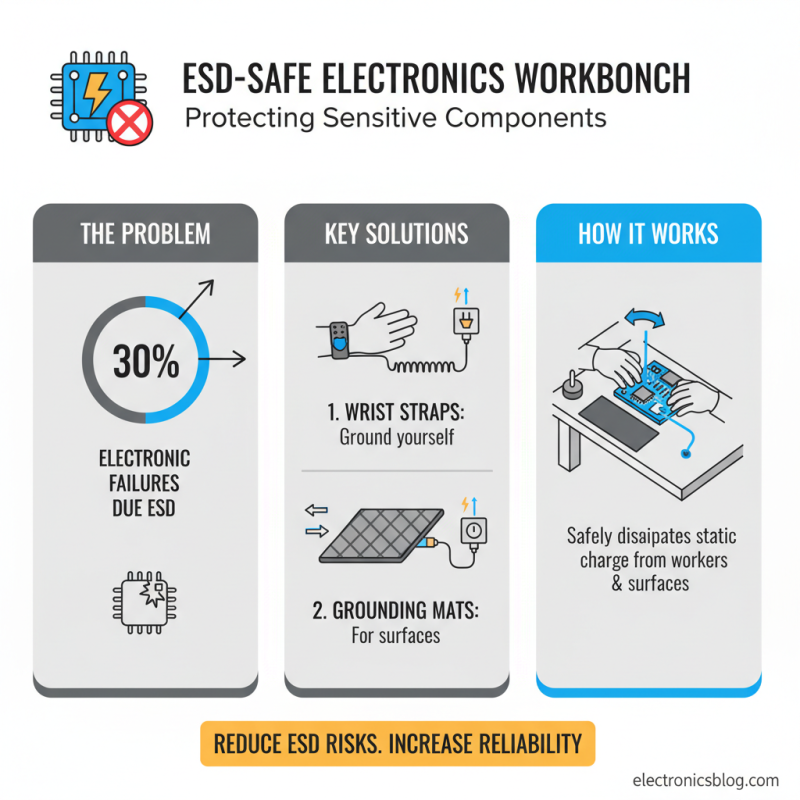
In the ever-evolving electronics industry, the significance of an Anti-Static Workbench cannot be overstated. Static electricity poses a serious threat to electronic components, leading to billions in losses annually. According to a report by the ESD Association, static damage accounts for over 30% of all electronic failures. Thus, investing in effective antistatic solutions is crucial for businesses.
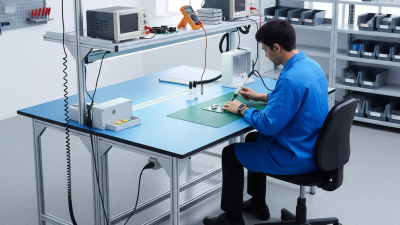
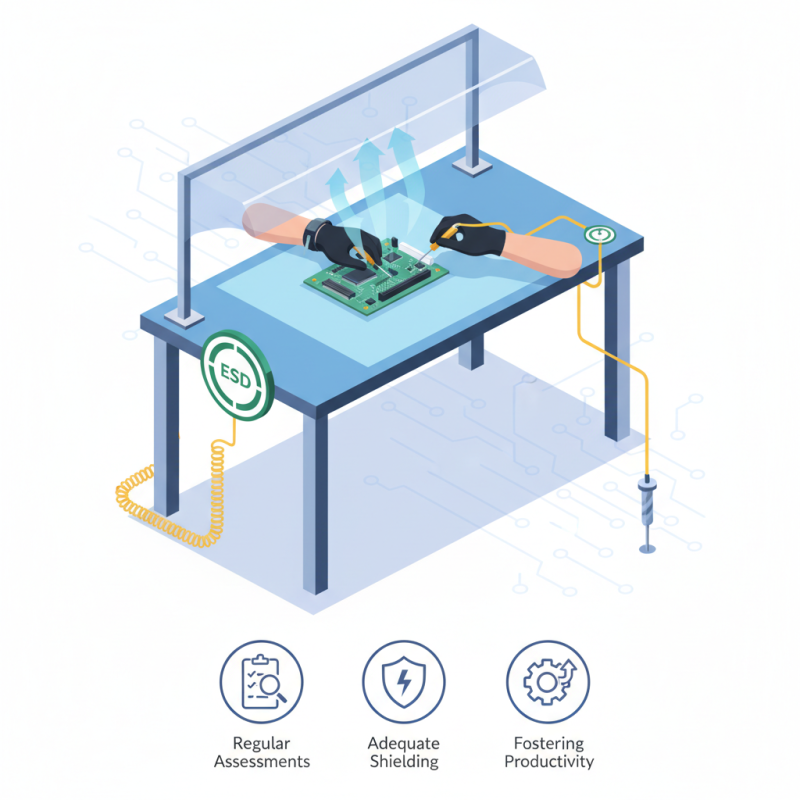
Building an Anti-Static Workbench goes beyond merely using ESD-safe materials. It requires understanding adequate grounding measures and incorporating appropriate protective gear. Many professionals overlook specific details. For instance, the proper placement of grounding points is essential yet often neglected. Even with an ESD mat, improper setup can compromise safety.
Mistakes in design can lead to insufficient protection. Some workbenches lack adequate shielding or fail to consider airflow in static-sensitive areas. Regular assessments can identify these flaws. The goal is not only to prevent damage but also to foster an environment for productivity. Addressing these aspects ensures that an Anti-Static Workbench truly meets the demands of modern electronics.
Understanding Electrostatic Discharge (ESD) and Its Impact on Electronics
Electrostatic Discharge (ESD) is a critical concern in electronics. A report by the IPC states that over 30% of electronics failures can be traced to ESD events. This statistic highlights the importance of understanding ESD and its impact on sensitive components. Even a small discharge can cause permanent damage, leading to costly repairs and replacements.
ESD can occur in various environments, often without notice. Human contact is a primary cause. For instance, the average static charge on a person can reach up to 35,000 volts. Such energy can easily discharge into electronic components. Factors like humidity and temperature also play significant roles in ESD incidents. Low humidity increases static generation, while high humidity typically reduces it.
Creating an effective anti-static workbench can mitigate these risks significantly. Proper grounding is crucial. Using anti-static mats and wrist straps can help protect components during assembly and testing. However, many DIY setups lack consistent grounding, which can be a flaw. Inattention to grounding can leave components vulnerable. Regular audits of ESD protection measures are necessary. Ultimately, awareness and prevention strategies can protect sensitive electronics from ESD damage.
Electrostatic Discharge (ESD) Impact on Electronics
This bar chart illustrates the severity of different impacts caused by Electrostatic Discharge (ESD) on electronics. A score from 1 to 10 is assigned to each impact, with 10 indicating the highest severity. Circuit failure and data corruption are the most significant risks, highlighting the importance of ESD protection in electronic work environments.
Key Components of an Effective Anti-Static Workbench Design
An effective anti-static workbench is essential for electronics. It protects sensitive components from electrostatic discharge (ESD). A recent industry report indicated that ESD damage costs businesses over $5 billion annually. To create a productive workspace, focus on several key components.
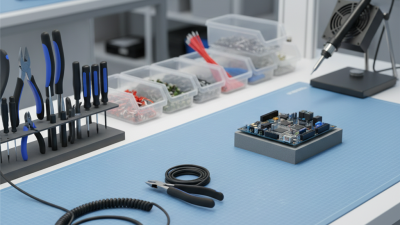
Using an ESD mat is crucial. It should cover the entire work surface. This helps dissipate static electricity safely. The mat should be grounded correctly. Grounding effectively minimizes charge buildup. According to studies, 90% of electronic failures stem from ESD. Ensure the mat has a textured surface for better traction.
Incorporating an anti-static wrist strap is another vital element. This strap grounds the user while they work. It prevents static buildup on their body. Regularly inspect wrist straps for wear and tear. Replace worn ones immediately. Keep an ESD-safe tool kit nearby. Tools made from non-conductive materials are beneficial for delicate tasks.
Tips: Regularly clean your workstation? Dust and debris can cause charge accumulation. Consider humidity control. Low humidity increases static electricity. Maintaining a suitable environment will enhance the effectiveness of your anti-static solutions. Keep track of all components. Missing or damaged items can lead to unforeseen static-related issues.
Material Selection for Anti-Static Workbench Surfaces and Components
When building an effective anti-static workstation, material selection is crucial. The surface should ideally be made from a specialized anti-static laminate. This type of material helps dissipate static electricity, ensuring that sensitive components are safe. It is also essential to consider the thickness of the surface. A durable, thicker surface can resist wear and tear over time.
Components for the workbench should include anti-static mats and grounding straps. Mats are often made from rubber or vinyl with anti-static properties. Grounding straps help prevent the buildup of static electricity during work. It’s vital to check the grounding regularly. If the straps are not functioning properly, the bench can be unsafe.
Lighting is also an important factor. Ensure the workstation has adequate lighting. Dim areas can lead to errors when handling electronics. While these tips provide a basic guideline, building an effective setup requires ongoing reflection and adjustments based on personal experience.