China Top Anti Static Workbench Solutions for Efficient Workspaces?
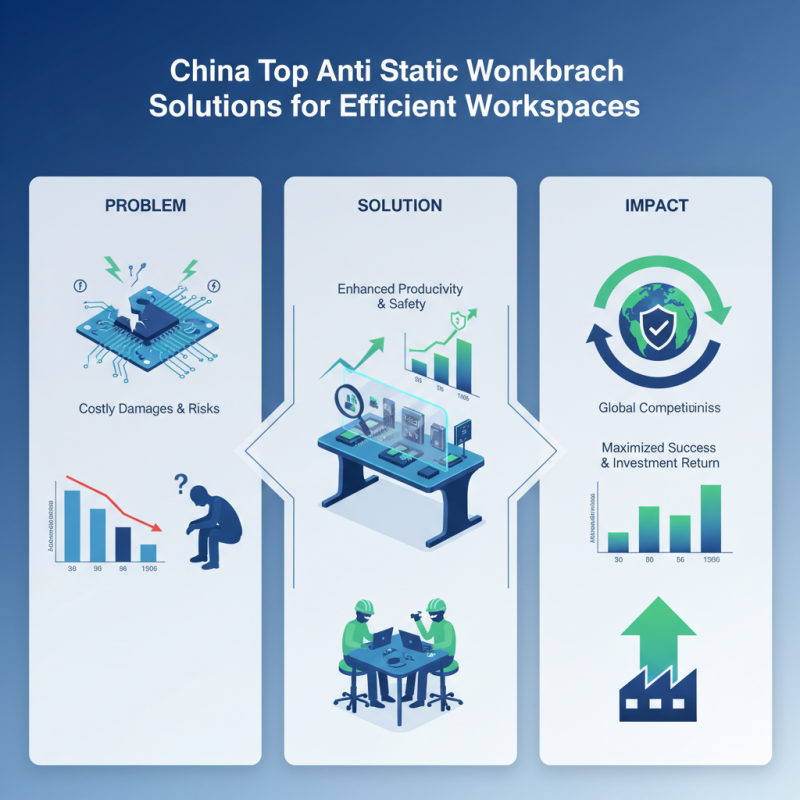
In today's fast-paced electronics industry, the importance of an Anti-Static Workbench cannot be overstated. As Edward Zhang, a leading expert in static control solutions, once said, "A well-engineered workbench is crucial for preventing costly damages." The right workspace is essential for safety and efficiency.
Many companies are now adopting advanced Anti-Static Workbenches to enhance productivity. These specialized workstations are designed to dissipate static electricity, ensuring the protection of sensitive electronic components. Their ergonomic design contributes to worker comfort and efficiency, which can be overlooked in some setups.
Yet, some businesses still underestimate the significance of investing in quality Anti-Static Workbenches. They may opt for cheaper alternatives, exposing their operations to potential risks and losses. Addressing this oversight is vital for maximizing success in a highly competitive market. These workbenches are not just a luxury; they are a necessity.
Overview of Anti-Static Workbench Solutions in China
In China, anti-static workbench solutions are gaining prominence. These workbenches are crucial in electronics manufacturing. They help prevent damage caused by static electricity. Most designs feature grounded surfaces and specialized materials. Some benches come with adjustable heights. However, not all solutions are perfect.
Many users find that some materials wear down quickly. This can lead to reduced effectiveness over time. Others struggle with insufficient storage options. A cluttered workspace can defeat the purpose of having a clean, efficient setup. Additionally, some companies overlook proper grounding practices. Without this, even the best workbench can fall short.
Selecting the right anti-static workbench is vital. Users should consider their specific needs. A custom solution might work better than a one-size-fits-all approach. It's important to reflect on what features truly matter in the work environment. Ultimately, an effective workspace requires careful planning and continual adjustments.
China Top Anti Static Workbench Solutions for Efficient Workspaces
| Feature |
Description |
Materials Used |
Applications |
Price Range (CNY) |
| ESD Workbench |
Workstation designed to eliminate static electricity. |
Laminate, Steel |
Electronics assembly, Testing labs |
3000 - 6000 |
| Mobile Anti Static Workbench |
Flexible workspace on wheels for dynamic environments. |
Aluminum, ESD mat |
Field operations, Installations |
3500 - 7000 |
| ESD Tool Storage |
Specialized storage for anti-static tools and components. |
Steel, ESD laminate |
Tool organization, Maintenance workshops |
2000 - 5000 |
| ESD Flooring |
Special flooring to reduce static charge accumulation. |
Vinyl, Conductive rubber |
Manufacturing floors, Cleanrooms |
100 - 300 per m² |
| Static Control Accessories |
Accessories to enhance static control in workspaces. |
Plastic, Rubber |
Workstations, Laboratory environments |
150 - 1000 |
Key Features of Efficient Anti-Static Workbenches
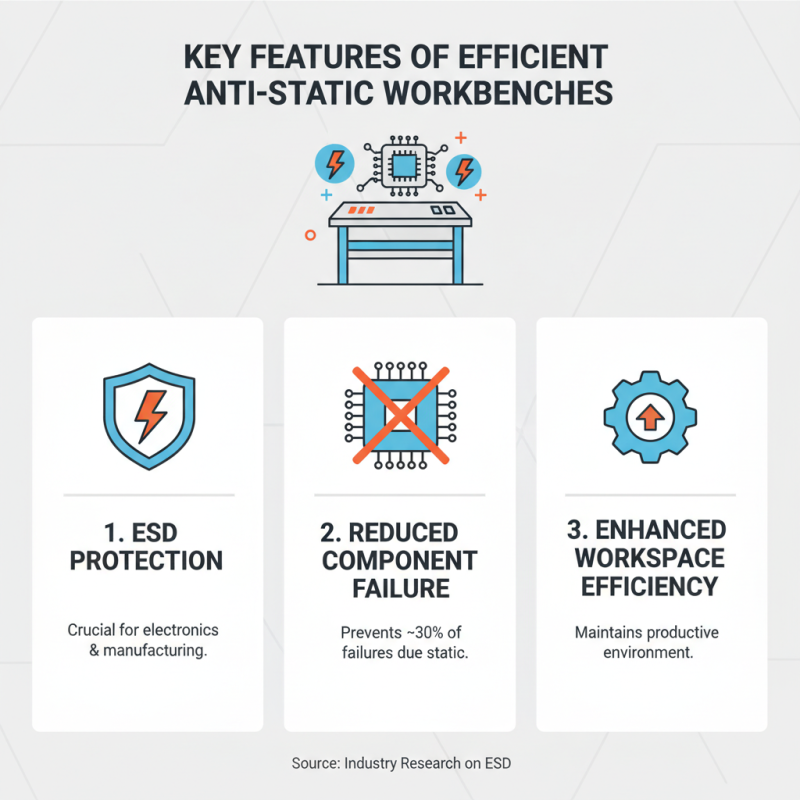
Anti-static workbenches are essential for maintaining efficient workspaces, especially in electronics and manufacturing. Key features elevate these benches beyond standard options. For instance, ESD (electrostatic discharge) protection is crucial. According to industry research, around 30% of electronic component failures stem from static electricity. This makes anti-static solutions vital.
Material selection matters. Work surfaces made from specific laminates or coatings dissipate static effectively. A good anti-static workbench often includes grounded mats, wrist straps, and proper grounding systems. A report noted that workplaces adopting these features saw productivity improvement by up to 20%. This is significant for teams handling sensitive components.
**Tip:** Regularly check grounding connections and mat conditions. A worn mat might not provide adequate protection.
Additionally, height adjustability is a beneficial feature. Ergonomic designs can reduce user fatigue. Employees report higher satisfaction in adjustable setups. Flexibility encourages better posture and reduces strain while working.
**Tip:** Allow employees to express preferences for workbench height. It can lead to a more comfortable workspace for everyone.
Popular Manufacturers of Anti-Static Workbenches in China
When it comes to efficient workspaces, anti-static workbenches are essential. These surfaces help protect sensitive electronic components from damage. In China, various manufacturers are leading the way in providing high-quality solutions. Many focus on design, durability, and functionality. Their workbenches integrate advanced features like adjustable heights and built-in grounding systems.
One notable aspect of these manufacturers is their attention to detail. They often use materials that are resistant to wear and tear, ensuring longevity. While their designs frequently aim for versatility, some solutions may not fit every workspace perfectly. Factors like the specific needs of each operation can influence effectiveness. It's important for businesses to assess their unique requirements before making a choice.
Additionally, customer feedback shows that not all anti-static workbenches meet expectations. In some cases, users report issues with stability or ease of assembly. This highlights the necessity of careful consideration and research prior to purchasing. Selecting the right workstation involves more than just the price tag; it's about creating an efficient and safe environment for all tasks.
Benefits of Using Anti-Static Workbenches in Workspaces
Anti-static workbenches play a crucial role in many environments. They help eliminate static electricity, which can damage sensitive electronic components. According to a report by IPC, about 30% of electronic failures are due to electrostatic discharge (ESD). This statistic highlights the importance of using anti-static solutions. An anti-static workbench can be a simple yet effective way to protect valuable equipment.
In a controlled study, workplaces that adopted anti-static workstations saw a 50% reduction in ESD-related incidents. This improvement boosts productivity. Employees can work without the fear of electrical shocks damaging their materials. The surfaces of these workbenches often use conductive materials. Some users, however, notice wear and tear over time. Regular maintenance is essential to ensure maximum effectiveness.
Beyond protection, anti-static workbenches promote a cleaner workspace. They often come with organized storage solutions. This minimizes clutter, making it easier to locate tools and parts. A study by ESD Association found that organized workspaces can increase efficiency by 40%. Despite these benefits, some still balk at investing in these specialized solutions. They may see anti-static workbenches as an unnecessary expense. Yet, the long-term gains often outweigh initial costs.
Best Practices for Maintaining Anti-Static Workbenches
Maintaining anti-static workbenches is crucial for any workspace dealing with sensitive electronics. Regularly inspect the work surface for wear and tear. A damaged surface can lead to electrical problems. Consider the materials used; they should be durable yet conductive enough to dissipate static. Ensure that the grounding connection is secure and tested frequently.
**Tip:** Keep the workbench clean. Static can accumulate with dust and debris. Use anti-static cleaning solutions to wipe down surfaces regularly. Remember, a clutter-free workspace is not just about aesthetics; it helps reduce static build-up.
You should also monitor the humidity levels in the workspace. Low humidity can increase static charge. Simple measures like using a humidifier can help. Even simple adjustments in temperature and humidity can make a difference in static control.
**Tip:** Create an inspection checklist. Routine checks can catch small issues before they escalate. Identify which areas need more attention. This proactive approach can save time and resources in the long run. A focused strategy is more effective than a rushed one.