2026 How to Choose an Acid Base Cabinet for Your Laboratory Needs?
Choosing the right Acid-Base Cabinet is essential for laboratory safety and efficiency. Dr. Emily Chen, a leading expert in laboratory design, emphasizes, "The right cabinet not only protects against spills but also enhances workflow." Selecting an Acid-Base Cabinet requires careful consideration of materials, size, and functionality.
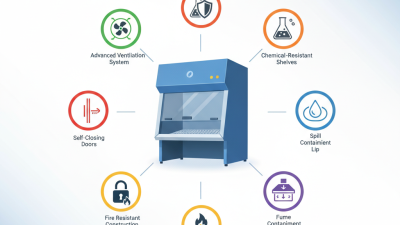
Safety must be a priority when choosing an Acid-Base Cabinet. Cabinets should be constructed from materials resistant to both acids and bases. For many labs, stainless steel or laminated wood may offer the best protection. Proper ventilation is critical too. A cabinet with a fume hood can mitigate harmful vapors.
Reflection is necessary when evaluating existing cabinets. Are they meeting safety standards? Is the layout efficient for daily tasks? Keeping these points in mind can improve laboratory operations significantly. Ultimately, the right Acid-Base Cabinet is not just a purchase; it's an investment in safety and productivity.
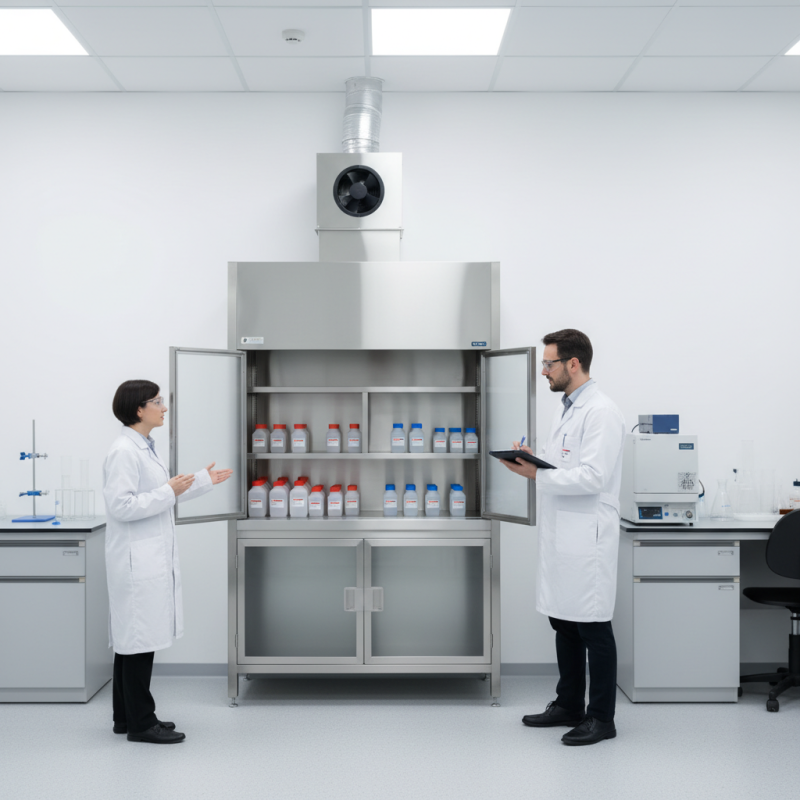
Understanding the Importance of Acid Base Cabinets in Laboratories
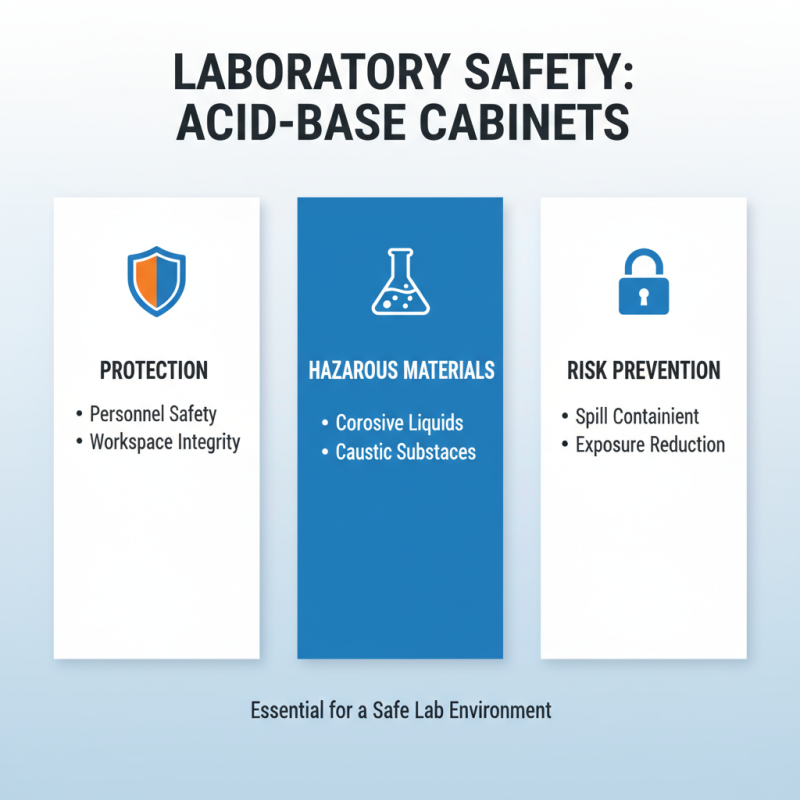
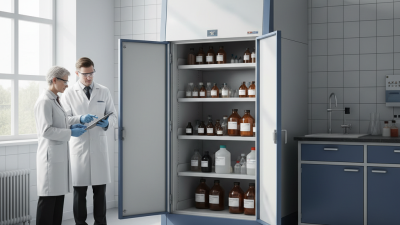
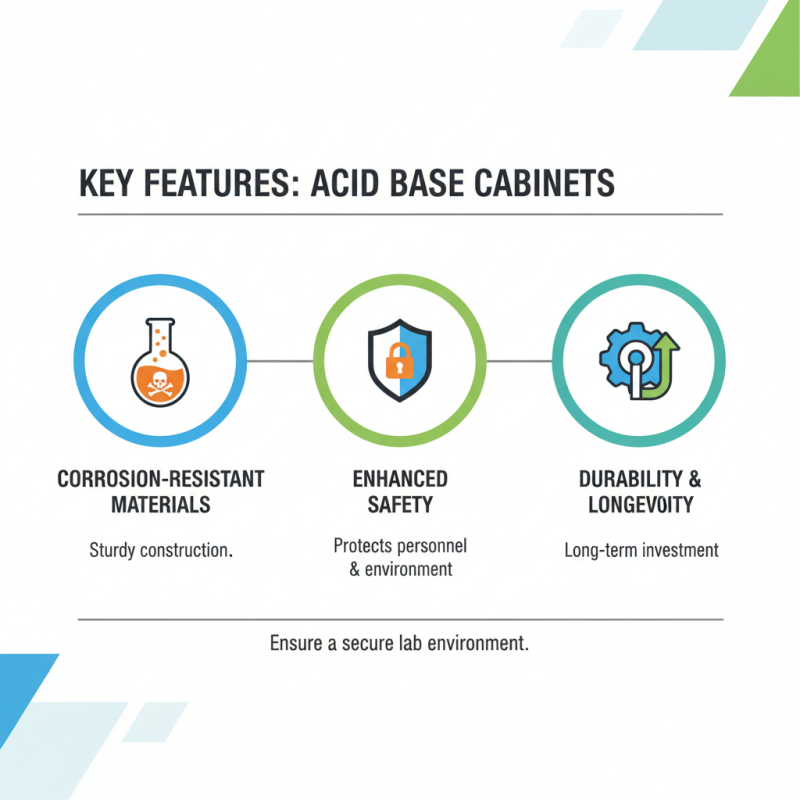
Acid base cabinets are crucial in laboratory environments. They provide essential storage for corrosive and hazardous materials. These cabinets ensure safety, protecting both personnel and the workspace. Proper containment helps prevent spills and reduces the risk of exposure. This is vital for maintaining a safe laboratory atmosphere.
Choosing the right cabinet can be challenging. It is not just about size; you need to consider materials and design. Some cabinets are designed with ventilation systems, while others focus on chemical resistance. Consider your lab's specific needs. Reflect on the types of acids and bases you will store. A suitable cabinet can significantly impact laboratory safety.
Ignoring the importance of proper storage could lead to accidents. A poorly chosen cabinet may not contain spills effectively. Over time, this could degrade the workspace and harm equipment. Consider not only current needs but also future requirements. An adaptable storage solution is often the best choice for long-term safety and efficiency.
Materials and Construction: Choosing the Right Options for Durability
When selecting an acid base cabinet, materials and construction are crucial for durability. Laboratories often deal with corrosive substances. The right materials ensure cabinets withstand these conditions over time. Steel cabinets are popular for their strength. However, not all steel is created equal. Powder-coated finishes can provide additional protection against corrosion. Reports indicate that cabinets with a durable epoxy finish last 50% longer in harsh conditions.
Another key aspect is the cabinet's construction. Think about the joints and seals. Poorly made joints can weaken the structure. Look for cabinets with reinforced corners. These typically offer better stability. Testing by industry experts shows that cabinets with heavy-duty hinges and latches have a lower failure rate. Furthermore, airflow is vital; some designs promote better ventilation, reducing moisture buildup.
Deciding on the right construction is often challenging. Many laboratories choose cost-effective options, but this may not ensure longevity. The need for regular replacements can lead to higher costs over time. Reflecting on the materials chosen is essential. Long-term performance should outweigh initial savings. Understanding these dynamics can significantly impact the effectiveness of your laboratory operations.
Safety Regulations and Standards for Acid Base Cabinets
When selecting an acid base cabinet, adherence to safety regulations is paramount. In laboratories, these cabinets are essential for shielding against hazardous materials. They minimize risks associated with spills and chemical reactions. Occupational Safety and Health Administration (OSHA) guidelines often dictate the required specifications. Compliance with these standards can significantly enhance workplace safety.
Choosing the right cabinet requires careful consideration of materials and design. For example, cabinets should have corrosion-resistant interiors. Ventilation features are crucial as well. Proper airflow can help prevent the buildup of harmful vapors. Nevertheless, not all cabinets fulfill these requirements. It’s important to scrutinize specifications carefully.
Environmental factors also play a role in safety compliance. Cabinets should be stored away from high-traffic areas. Additionally, regular inspections are vital to ensure ongoing safety. However, many laboratories neglect this aspect. A simple checklist can promote a culture of safety. By emphasizing regular maintenance, labs can better manage risks. The goal is not just compliance but creating a safe working environment for everyone involved.
Maintenance Tips for Ensuring Longevity of Acid Base Cabinets
Maintaining an acid base cabinet is essential for safety and durability. Regular inspections are key. Check for any signs of wear or damage.
Ensure all seals are intact to prevent leaks. A simple visual examination can reveal issues that need attention.
Cleaning should be approached with care. Use appropriate cleaners that won't damage the cabinet's surface. Avoid abrasive materials.
Routine cleaning keeps the cabinet functional and safe. Don't forget to check the ventilation system. It prevents fume buildup, which can compromise safety.
Documentation is often overlooked. Keep a log of maintenance activities. Recording each inspection and cleaning can help track the cabinet's condition over time.
Reflecting on maintenance practices helps identify areas for improvement. Small changes can make a significant difference in the cabinet's longevity.