How to Choose the Best Anti-Static Workbench for Your Needs?
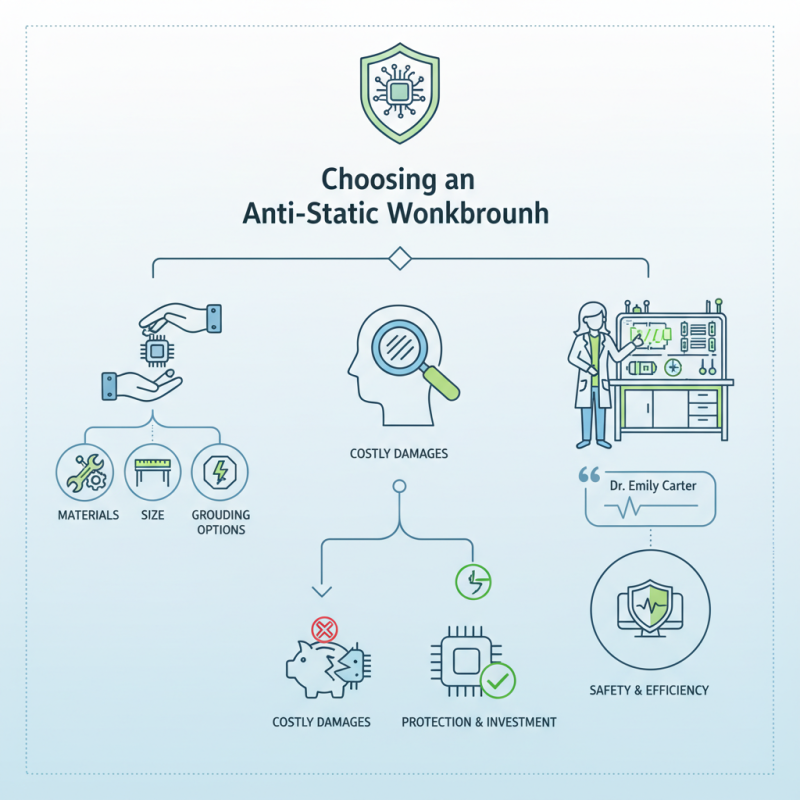
Choosing the right Anti-Static Workbench is crucial for ensuring safety and efficiency in electronic environments. Industry expert Dr. Emily Carter emphasizes, “A well-chosen workbench can prevent damage to sensitive components.” This highlights the importance of selecting a suitable work surface to protect your valuable equipment.
Understanding your specific needs is the first step in this process. Not all Anti-Static Workbenches are created equal. Consider the materials used, the size, and any additional features like grounding options. Each element can significantly impact performance. For example, benches made from high-quality laminates often provide better discharge characteristics.
However, it’s easy to overlook details. Many users may focus solely on price, forgetting the implications of poor choices. Inadequate surfaces can lead to costly damages over time. Taking the time to evaluate your actual requirements can prevent future frustration. An informed selection is not just about budget; it's about protecting your work and investments.
Understanding the Importance of Anti-Static Workbenches in Electronics
In the electronics industry, anti-static workbenches play a crucial role.
Static electricity can damage sensitive components. This is not just theory; it's a common issue for professionals. When working on delicate circuit boards, even a tiny discharge can ruin years of research. Therefore, understanding how to choose the right workbench is essential.
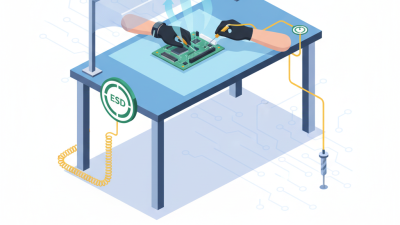
A basic understanding of ESD—electrostatic discharge—is necessary. This is where anti-static workbenches come in. They're designed with materials that dissipate electricity safely. These surfaces prevent static buildup, which can be a major concern in electronic repairs and assembly.
Not all workstations are created equal, though. Some may lack adequate grounding, which compromises their effectiveness. The right workbench should also accommodate specific tasks. A clutter-free, organized space can enhance productivity. However, not everyone recognizes the importance of custom features, like adjustable height or integrated storage. Reflecting on what you truly need can save time and hassle.
The goal is not just to prevent damage but also to create an efficient workspace tailored to your unique requirements.
Key Features to Consider When Selecting an Anti-Static Workbench
When selecting an anti-static workbench, several key features should guide your decision. First, material plays a critical role. Look for surfaces made of high-quality laminate or conductive materials to effectively dissipate static electricity. According to a report from IPC, 70% of electronic component failures result from ESD damage. It’s essential to ensure your workbench material can withstand this threat.
Another vital feature is adjustability. An ergonomic design enhances comfort during extended use. Workbench height should be adjustable to suit different users. Research suggests that ergonomic work environments improve productivity by up to 25%. A flexible workspace allows for tasks that require different levels of access and comfort.
Tips: Consider incorporating an ESD mat on top of the workbench. This adds a layer of protection against static discharge. Also, evaluate storage options. Integrated storage solutions can keep tools organized and prevent clutter. Further, ensure that grounding options are built into the design. Grounding reduces the risk of static buildup, making your workspace safer.
Investing in an anti-static workbench requires reflection on these factors. The wrong choice can lead to operational inefficiencies and increased risk of electronic damage. Take time to weigh your options carefully.
How to Choose the Best Anti-Static Workbench for Your Needs?
| Feature |
Description |
Importance |
Recommended Value |
| Material |
The workspace material should effectively dissipate static electricity. |
High |
ESD laminate or vinyl |
| Grounding System |
A reliable grounding system to ensure safety and effectiveness. |
Critical |
Standard grounding point and wrist strap connection |
| Size |
Workbench dimensions should fit your workspace and accommodate your tasks. |
Medium |
48" x 24" or larger based on requirements |
| Height Adjustment |
Ability to adjust the height for ergonomic comfort. |
High |
Manual or electric adjustable height |
| Storage Options |
Adequate storage for tools and components to reduce clutter. |
Medium |
Drawers and shelves |
| Accessories |
Include ESD-safe mats, lighting, and other enhancements. |
Medium |
Additional ESD tools as needed |
Evaluating Material and Build Quality for Durability and Performance
When selecting an anti-static workbench, evaluating the material and build quality is essential. A sturdy frame is crucial for stability. Metal constructions often offer superior durability. Wood can provide a warmer aesthetic but might not withstand heavy use as well. Consider the impact of materials on longevity.
Surface coatings are critical too. Anti-static laminates are effective. But they can wear over time. A more robust top can resist scratches. Users should look for benches with reinforced edges. This detail might seem minor but can affect performance during heavy tasks.
Inspect the joints and fasteners. Poorly built workbenches can lead to instability. Over time, this may hinder your work. It’s worthwhile to invest in quality. However, every choice has trade-offs. Not all materials will suit every workspace. Testing stability in person can yield valuable insights.
Comparison of Anti-Static Workbench Materials
Assessing Ergonomics and Workspace Design for User Comfort
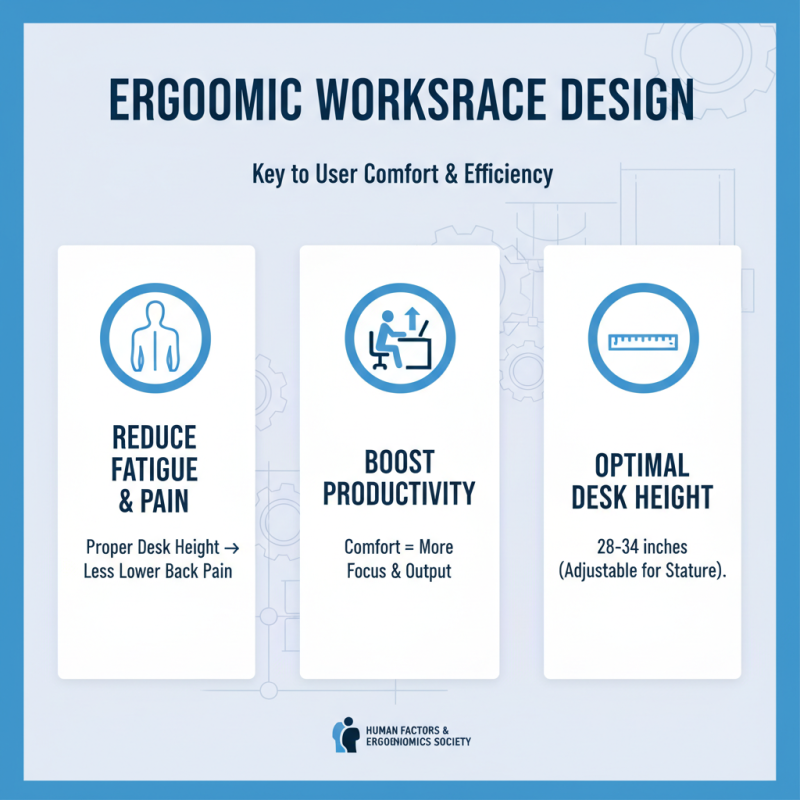
When selecting an anti-static workbench, ergonomics should be a priority. Comfortable workspaces reduce fatigue and boost productivity. According to the Human Factors and Ergonomics Society, proper desk height can decrease lower back pain. The ideal height often ranges from 28 to 34 inches, depending on the user’s stature.
Workspace design is equally crucial. A cluttered bench can lead to errors and accidents. Reports suggest that organized workspaces can enhance efficiency by 30%. This statistic highlights the need for storage solutions. Drawers and shelves should be within easy reach, ensuring that tools and components are readily accessible.
While many workbenches offer adjustable features, not all adjust well to individual needs. Some may compromise stability for flexibility. It's essential to test different models and configurations. User feedback can reveal potential shortcomings in design. Collecting insights from peers may guide you toward a solution that supports your work style effectively.
Budgeting: Finding the Right Anti-Static Workbench for Your Needs
When budgeting for an anti-static workbench, start by identifying your essential needs. Consider the size of the workspace. A larger bench may cost more, but it provides more room for tools and projects. Think about how much weight it needs to support. Heavy-duty models can handle greater loads but often come at a premium.
Another factor is the materials used in the workbench's construction. High-quality laminates and steel offer durability and longevity. Cheaper materials might save money initially but may lead to higher costs later due to repairs or replacements. Check if specialized features, like grounding connections, fit your budget.
Reflect on your long-term goals. Investing in a quality workbench may seem daunting initially. Yet, it can pay off in efficiency and safety. Remember, opting for a low-cost option might lead to discomfort during work or even mishaps. Finding the right balance between cost and functionality is key in your decision-making process.