How to Choose the Best Cylinder Cabinet for Your Needs?
Choosing the right Cylinder Cabinet is crucial for safety and efficiency in various industries. According to a recent report by the American Industrial Hygiene Association, nearly 75% of workplace incidents stem from improper storage of hazardous materials. This highlights the importance of selecting a cabinet that meets your specific needs.
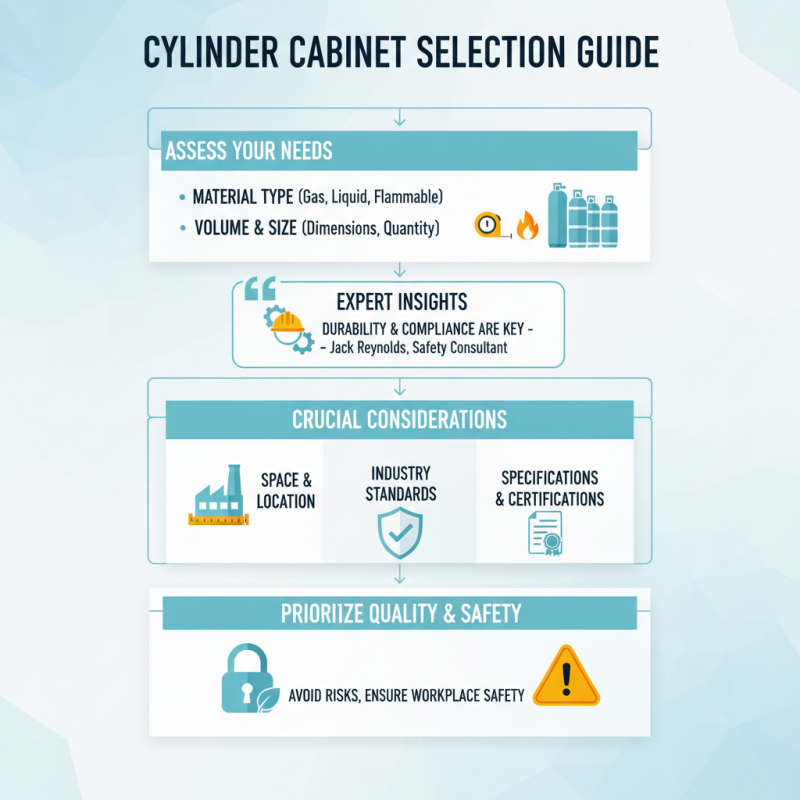
Expert Jack Reynolds, a safety compliance consultant, emphasizes, “A Cylinder Cabinet should not only be durable but also tailored to the specific materials you use.” His insights underline the necessity of considering factors such as material type, cabinet size, and location.
When assessing options, it is essential to reflect on the dimensions of your space and the volumes you handle. Not all cabinets are created equal; some may fall short of industry standards. Delving into specifications and certifications can save you from costly mistakes. Remember, a poor choice in Cylinder Cabinets can lead to significant safety risks. Prioritize quality and compliance in your selection process.
Understanding the Different Types of Cylinder Cabinets Available
When selecting a cylinder cabinet, understanding the various types available is crucial for making an informed choice. Cylinder cabinets typically fall into three main categories:
single-door,
double-door, and
vertical. Each type serves distinct purposes, catering to different storage needs. The single-door option is compact, ideal for smaller spaces, while double-door cabinets allow for easier access and can hold more items. Vertical cabinets are often preferred for maximizing space.
Recent industry reports highlight that nearly 45% of workplaces utilize specialized cabinets for storing hazardous materials. This statistic emphasizes the importance of compliance with safety regulations. Proper ventilated cabinets are essential for storing volatile substances. Choosing the right type can prevent accidents and ensure safety. Furthermore, an ergonomic design in cabinets can significantly enhance user experience.
Considering your storage requirements and work environment is vital. Many users underestimate the impact of cabinet organization. A chaotic storage space can lead to inefficiencies and increased risks. Investing time in evaluating your options can yield long-term benefits. Ensure your choice aligns with safety standards and ergonomic principles to optimize functionality.
Key Factors to Consider When Choosing a Cylinder Cabinet
Choosing the right cylinder cabinet involves several key factors. Understanding your specific needs is crucial. Evaluate the size of your space to ensure a proper fit. Measure the area where you plan to place the cabinet. Small spaces may require compact models. Larger areas can accommodate more extensive storage solutions.
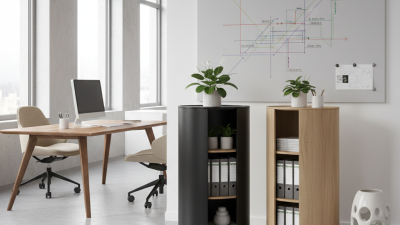
Consider the materials used in construction. Metal cabinets offer durability but may be heavier. Wood cabinets provide a classic look and can blend with various decor styles. Check for safety features like locking mechanisms. This ensures secure storage for delicate items.
Assess how many cylinders you need to store. This helps in selecting an appropriate size and layout. An organized cabinet can save time during use. Reflect on the potential for future needs. Choosing a versatile design can adapt to changing requirements. Investing thoughtfully in a cylinder cabinet enhances both functionality and safety.
Assessing Safety Standards and Regulations for Cylinder Cabinets
When selecting a cylinder cabinet, safety standards are paramount. Compliance with OSHA regulations is essential for workplace safety. Many incidents occur due to improper storage of gas cylinders. A report by the National Fire Protection Association (NFPA) indicates that over 40% of industrial accidents could be minimized with proper cylinder storage systems.
Cabinets must comply with specific safety standards. Look for those that meet or exceed regulations set by the American National Standards Institute (ANSI). This ensures that the cabinet provides adequate protection against hazards. Regular audits and checks can help identify shortcomings in safety compliance. Ensuring proper ventilation within the cabinet is also crucial. This prevents the accumulation of hazardous fumes.
Tips: Always check the labeling and specifications of the cabinets. Proper signage enhances awareness. Regular training for staff on safety standards can make a significant difference. Safety is a continuous commitment, not just a checkbox. Ongoing assessment and improvement of safety protocols can help organizations stay compliant and safe.
Material Durability and Environmental Resistance in Cylinder Cabinets
When selecting a cylinder cabinet, material durability and environmental resistance are critical factors. High-quality materials can significantly impact the longevity and effectiveness of the cabinet. According to a report by the National Institute of Standards and Technology, materials like steel and aluminum offer superior resistance to corrosion and impact. This is essential for environments exposed to varying temperatures and chemicals.
Environmental resistance is equally vital. Cabinets made from weather-resistant materials can withstand moisture and UV exposure, preventing degradation over time. A study from the American Society of Mechanical Engineers indicates that cabinets used in harsh environments may require materials with specialized coatings for added protection. Many facilities overlook these details, leading to premature cabinet failure.
Another aspect to consider is the cabinet’s design and construction. Poorly designed joints or seams can jeopardize environmental resistance, regardless of the material used. It's crucial to assess all features meticulously. Choosing the right cylinder cabinet is not just about the initial purchase; it's about long-term reliability and safety. Investing time in research helps avoid costly replacements or repairs later.