Leave Your Message

How to Choose the Right Acid Base Cabinet for Your Laboratory Needs?

Choosing the right Acid-Base Cabinet is crucial for any laboratory. These cabinets provide safe storage for hazardous substances. They protect users from harmful spills and vapors. Selecting the wrong cabinet can lead to risks. It is not just about compliance; it's about safety.

Consider the materials and design of the Acid-Base Cabinet. These factors affect durability and functionality. Cabinets must withstand corrosive materials. Check for features like adjustable shelves and adequate ventilation. These are not always obvious but can enhance usability.

Reflect on your specific needs. How often do you use acids or bases? What is their volume? A commonly overlooked aspect is cabinet placement. Ensure it is easily accessible yet away from heat sources. Make choices that enhance safety and efficiency in your laboratory.
How to Choose the Right Acid Base Cabinet for Your Laboratory Needs?

Understanding the Importance of Acid Base Cabinets in Laboratories

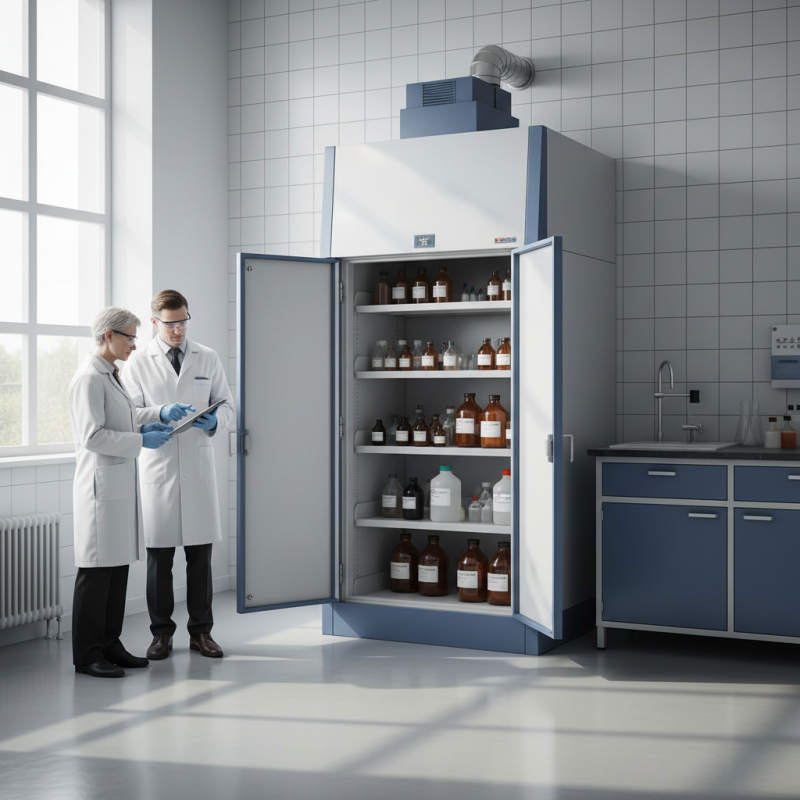
Acid base cabinets are critical in laboratory settings. They provide secure storage for corrosive substances. This prevents accidents and exposure to harmful chemicals. Proper storage also protects sensitive equipment from damage. A well-designed cabinet increases safety and efficiency in the lab.

Proper understanding of acid base cabinets is essential. They should have adequate ventilation to disperse fumes effectively. Cabinets with secondary containment offer additional safety. Choosing the right materials for the cabinet is crucial. Steel and fiberglass are common choices. However, ensure they resist corrosion from stored substances.

Many labs overlook the importance of regular maintenance. Inspecting seals and ventilation regularly can prevent leaks. Some cabinets may not meet current safety standards. It's vital to evaluate them annually. Small oversights can lead to significant hazards. Investing time in this area is often overlooked but necessary. The right cabinet is more than just a storage item; it’s a safety necessity.

How to Choose the Right Acid Base Cabinet for Your Laboratory Needs?

Feature Description Importance
Material Cabinet materials should be resistant to acids and bases, such as polyethylene or steel with epoxy coatings. Ensures durability and safety in handling corrosive substances.
Ventilation Good acid base cabinets should have proper ventilation systems to prevent the accumulation of harmful vapors. Helps maintain a safe laboratory environment.
Size Consideration of the size of the cabinet in relation to available laboratory space and storage needs. Maximizes workspace efficiency and organization.
Accessibility Features such as roll-out shelves or easy access doors for quick retrieval of items. Enhances workflow and minimizes spills.
Compliance Cabinets must meet regulatory standards for safety and hazardous materials storage. Helps avoid legal issues and ensures employee safety.

Identifying Your Laboratory's Specific Storage Requirements

When selecting an acid base cabinet, it's crucial to understand your laboratory's specific storage needs. Assess the types of acids and bases you'll store. Will you need segregated space for different chemicals? Some labs require dedicated sections. Other labs might have more varied products in smaller quantities.

Consider your available space. A large cabinet may be tempting, but could it fit in your lab? Measure the area before choosing. Ensure easy access for all users. Safety also matters. Think about ventilation and emergency access. Each laboratory has unique needs that must be addressed.

Evaluate how frequently you use certain chemicals. High-use items should be more accessible. Lower-use compounds can be stored in less convenient areas. Ergonomics is key. A cabinet that is hard to access can lead to frustration. Reflect on these details to find the most suitable solution for your lab.

Laboratory Acid Base Cabinet Storage Requirements

Key Features to Look for in an Acid Base Cabinet

When choosing an acid base cabinet, consider its key features. One important aspect is material. Cabinets should be made of corrosion-resistant materials. This ensures longevity and safety. A sturdy construction helps withstand chemical spills. It’s essential for any laboratory environment.

Another feature to keep in mind is ventilation. Effective airflow is vital for safety. Cabinets should have built-in ventilation systems. This minimizes the risk of harmful fumes. Check for adjustable shelves too. They allow flexibility for different container sizes. This adaptability can improve your workflow.

Size plays a critical role as well. Measure your available space before you buy. A cabinet that's too large may be impractical. Think about the volume of chemicals you store. You may want something compact yet spacious. Always assess your current and future needs. It's common to underestimate space requirements.

Assessing Compliance with Safety Standards and Regulations

How to Choose the Right Acid Base Cabinet for Your Laboratory Needs?

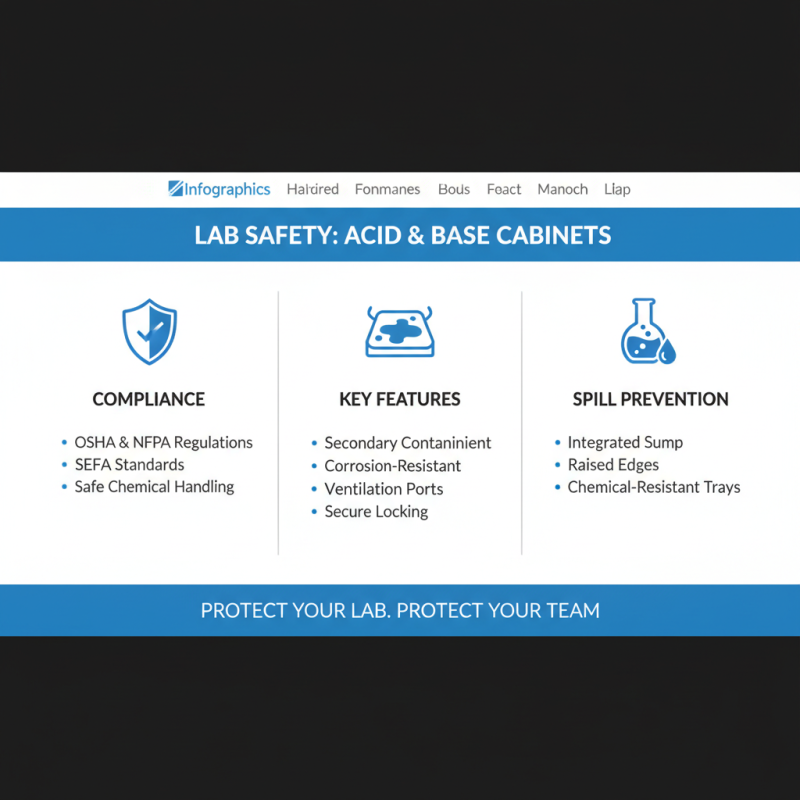
Choosing the right acid base cabinet for your laboratory is not just about storage. Compliance with safety standards is crucial. Cabinets must meet specific regulations to ensure safe chemical handling. Look for features like secondary containment. This could prevent spills from becoming hazardous.

Regular inspections are necessary to maintain compliance. Check for wear and tear regularly. A cabinet may look fine but can have hidden issues. Follow guidelines set by local safety authorities. They provide valuable information on what to look for.

Training staff on cabinet usage is also vital. Even the best cabinet won't help if used improperly. Document everything related to safety checks and staff training. It’s essential to have records, especially during safety audits. Reflect on your lab’s needs. Each lab is unique. Your selection should fit your specific requirements without compromise.

Evaluating Material Durability and Chemical Resistance

How to Choose the Right Acid Base Cabinet for Your Laboratory Needs?

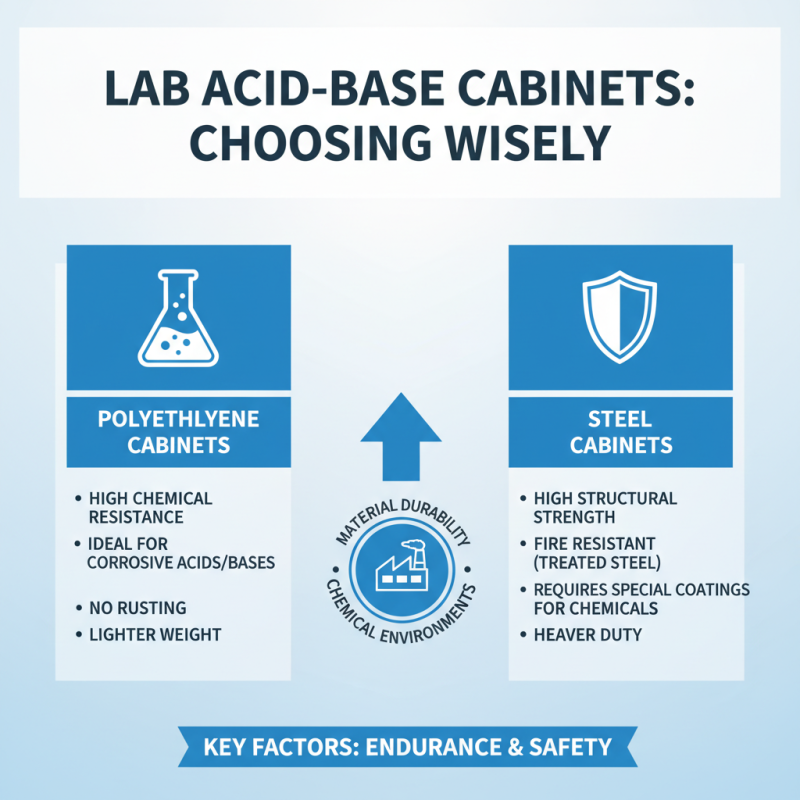
Choosing the right acid base cabinet for your laboratory is crucial. Material durability and chemical resistance are vital factors. Cabinets should endure harsh environments. Materials like polyethylene and steel have different strengths. Polyethylene resists corrosive substances well. Steel, while sturdy, may need special coatings to withstand chemicals.

Consider the cabinet's intended use. If your lab handles volatile acids, choose materials specifically designed for that purpose. Some materials can degrade over time. A cabinet that looks durable may not perform under stress. Regular maintenance is essential. Inspect for any signs of wear or damage. It’s a reminder that even the best cabinets require attention.

Take time to research your options. Think about the long-term implications of your choice. The cabinet must protect both the workspace and the user. What fits best? Balancing cost, durability, and chemical resistance can be challenging. Make sure to evaluate all factors carefully. A thoughtful decision today can prevent issues tomorrow.