How to Choose the Right Biological Safety Cabinet for Your Lab Needs
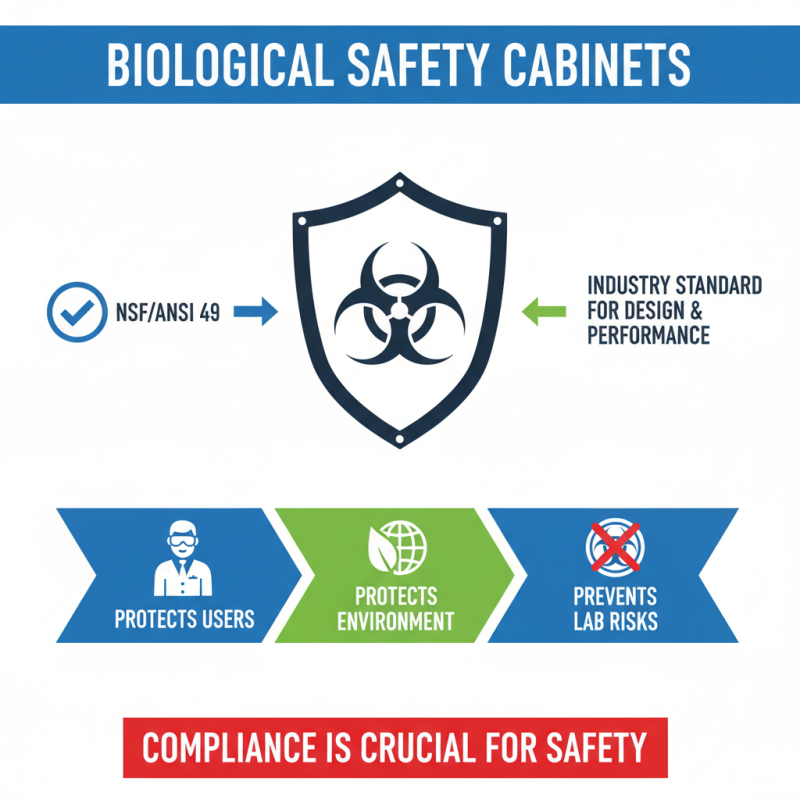
Choosing the right Biological Safety Cabinet (BSC) is crucial for laboratory safety and efficacy. Dr. Emily Carter, a leading expert in biosafety, emphasizes, "A well-selected BSC protects both the user and the environment." This highlights the importance of informed decisions in laboratory settings.
When selecting a BSC, consider several factors. The type of work, the pathogens involved, and the laboratory layout matter significantly. Not all cabinets provide the same level of protection. Some might fail to meet specific safety standards. It's essential to evaluate the cabinet’s airflow patterns and filtration systems.
Furthermore, it’s easy to overlook maintenance needs or the cabinet's compatibilities with other lab equipment. Regular checkups ensure optimal performance. Choosing an unsuitable BSC could lead to costly errors or safety hazards. Ultimately, investing time in this decision is vital for creating a safe laboratory environment.

Overview of Biological Safety Cabinet Types and Standards
Choosing the right biological safety cabinet (BSC) begins with understanding the types available. BSCs protect users and the environment from harmful biological agents. There are three primary classes: Class I, Class II, and Class III. Class I offers basic protection. It provides a non-sterile work area with airflow that removes contaminants. This type may not be suitable for all lab settings.
Class II cabinets are more advanced. They come in different types, like A1, A2, B1, and B2. Each type caters to various needs. For example, Class II A2 is suitable for work with low-risk agents. Class II B2 provides a higher level of protection with a constant airflow system. It’s ideal for more hazardous materials. Understanding these classes is vital.
Standards play a crucial role in selecting a BSC. The NSF/ANSI 49 standard helps ensure safety and performance. Compliance with these standards is non-negotiable. However, some labs may overlook this detail. Choosing the wrong type or not meeting standards can lead to serious consequences. Regular evaluation of the cabinet is necessary to maintain safety.
Types of Biological Safety Cabinets and Their Usage
Key Factors to Consider When Selecting a Biological Safety Cabinet
When selecting a
biological safety cabinet (BSC), several key factors demand attention.
The type of work performed in your lab directly influences the cabinet's design. A Class II BSC
is suitable for working with pathogens and recombinant DNA. According to a report by the
Centers for Disease Control and Prevention (CDC),
improper selection can lead to unsafe working conditions and lab accidents.
Airflow patterns are critical in maintaining safety. A BSC must ensure that cross-contamination does not occur.
The
National Sanitation Foundation (NSF)
states that an efficient BSC should maintain a minimum airflow of 100 feet per minute.
It's essential to regularly check airflow, as neglecting maintenance may cause the cabinet to malfunction.
This can result in the lab environment becoming hazardous, often without immediate notice.
The size and layout of the laboratory also influence the choice. Not all labs can accommodate large units.
Additionally, operators must consider ergonomic aspects. A poorly designed workspace can lead to
discomfort or fatigue during long hours of use. User feedback often
highlights these issues, indicating areas needing improvement. Selecting the right BSC is crucial, and ongoing assessments
are necessary for optimal safety.
Evaluating Airflow Performance: HEPA Filters and Certification Requirements
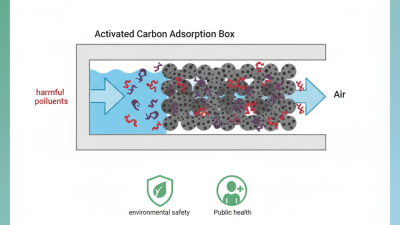
Selecting a biological safety cabinet involves more than just looks. Evaluating airflow performance is crucial. HEPA filters are vital for ensuring air quality. They trap harmful particles and pathogens, but not all HEPA filters are equal. Check the certification of these filters to ensure they meet the required safety standards.
Airflow patterns play a significant role in cabinet safety. Ideally, the air should flow smoothly and consistently. Turbulent airflow can compromise safety, allowing contaminants to escape. It's essential to understand how the cabinet operates. Reflecting on past performance issues can inform your choices. Recognizing areas that need improvement helps ensure better lab safety.
Maintenance is another aspect to consider. Regular checks on filters and airflow are necessary. A filter may not be effective if neglected. This is a common oversight in many labs. A proactive approach can significantly enhance lab safety. Plan routine maintenance to prevent issues.
How to Choose the Right Biological Safety Cabinet for Your Lab Needs
| Cabinet Type |
Airflow Performance |
HEPA Filter Efficiency |
Certification Requirements |
Maintenance Frequency |
| Class I |
Unidirectional, inward airflow |
99.97% @ 0.3 micron |
BSC Certification |
Annual |
| Class II A1 |
Vertical laminar airflow |
99.99% @ 0.3 micron |
BSC Certification, NSF 49 |
Semi-annual |
| Class II A2 |
Variable air velocity |
99.99% @ 0.3 micron |
BSC Certification, NSF 49 |
Semi-annual |
| Class II B2 |
Constant air flow with negative pressure |
99.99% @ 0.3 micron |
BSC Certification, NSF 49 |
Quarterly |
| Class III |
Total enclosure, minimum airflow |
99.999% @ 0.3 micron |
BSC Certification, NSF 49 |
Quarterly |
Cost Analysis: Budgeting for Your Lab's Biological Safety Cabinet Needs
When budgeting for a biological safety cabinet, consider various factors that affect the cost. Prices can range widely based on size, type, and features. A basic model might start at a few thousand dollars, while advanced options can exceed ten thousand.
Maintenance costs can also add up over time, including filter replacements and servicing. It's essential, then, to account for these ongoing expenses in your budget.
Consider your lab’s specific needs. Is high-efficiency filtration necessary? Will you require a model suitable for hazardous pathogens? Assessing these requirements helps clarify what features are essential and which can be excluded. Investing in a high-quality cabinet can save costs in the long run. Inadequate protection could lead to contamination, risking valuable research.
Think about the future as well. A cabinet that meets today’s needs may not suffice in a year or two. Changing regulations or research goals might require an upgrade later. Thus, investing wisely now could prevent costly changes down the line. Having a flexible budget that accommodates potential growth is critical. Don't overlook hidden costs, and be ready to reassess priorities as your lab evolves.