2026 How to Efficiently Use a Spray Tower for Optimal Results?
The Spray Tower is an essential tool in various industries, including chemical processing and air purification. Using this equipment efficiently maximizes productivity and cost-effectiveness. However, many users struggle to achieve optimal results. They often underestimate the significance of precise settings and maintenance.
Understanding the mechanics of a Spray Tower can lead to better outcomes. The correct spray pattern, droplet size, and flow rate all play crucial roles. Small adjustments can make a significant difference. Users might find that neglecting these factors results in subpar performance. Reflecting on these aspects can reveal areas for improvement.
Optimizing the Spray Tower operation requires a hands-on approach. Regular maintenance checks can prevent issues and increase longevity. A clear understanding of materials used is also critical. In summary, efficiency in using a Spray Tower is a blend of knowledge, practice, and continuous refinement.
How Spray Towers Work: An Overview of the Technology
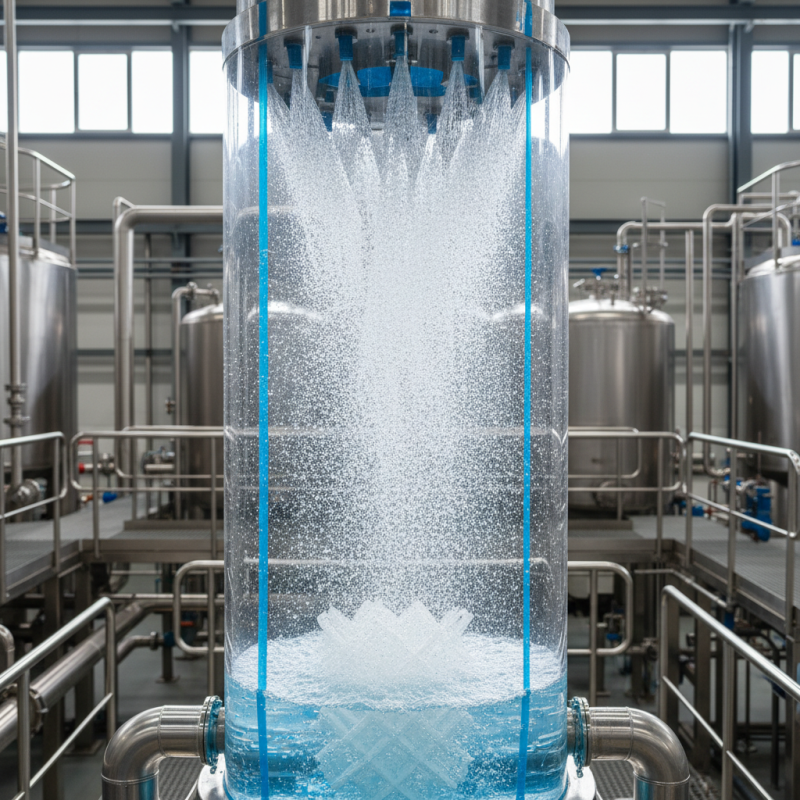
Spray towers are fascinating pieces of technology. They use a vertical structure to efficiently mix liquids and gases. At their core, the system relies on a spray nozzle that disperses liquid into fine droplets. This maximizes the contact area, enhancing absorption or reaction rates. The design helps in separating particulates from gases in various industrial applications.
Operating a spray tower is not always straightforward. Factors like droplet size and spray velocity are crucial. If the droplets are too large, they may not interact effectively. Conversely, if they are too small, they might drift away, reducing efficiency. Regular monitoring of these parameters is essential. Adjustments may be needed to optimize performance.
In practice, there’s often room for improvement. Operators sometimes overlook how temperature affects the process. A cooler environment might increase humidity, impacting vaporization rates. Ignoring such details can lead to suboptimal results. Continuous testing and adjustments can help find the sweet spot for various applications.
Key Factors Influencing Efficiency in Spray Tower Operations
Efficient operation of a spray tower hinges on several critical factors. One significant element is droplet size. Studies indicate that smaller droplets enhance contact with surfaces, improving coating uniformity. Typically, droplets in the range of 10 to 30 microns achieve better penetration. Conversely, larger droplets may result in uneven application, leading to wasted materials and suboptimal performance.
Another key factor is fluid dynamics. The flow rate directly impacts the efficiency of spray application. Research shows that an optimal flow rate, usually between 5 to 15 liters per minute, prevents clogging. This range allows for a consistent spray pattern, avoiding over-application and under-coverage. Operators must regularly monitor system pressure to maintain this efficiency, as fluctuations can drastically alter results.
Temperature also plays a crucial role. The viscosity of the materials changes with temperature. For instance, higher temperatures reduce viscosity, aiding atomization. However, excessive heat can lead to degradation. Therefore, maintaining a balance is essential. Continuous data analysis helps in making timely adjustments, yet many operations overlook this aspect. Regular audits may reveal inefficiencies that can otherwise diminish overall performance.
2026 How to Efficiently Use a Spray Tower for Optimal Results? - Key Factors Influencing Efficiency in Spray Tower Operations
| Factor |
Description |
Optimal Value Range |
Impact on Efficiency (%) |
| Nozzle Type |
Type of nozzle used for atomization |
Fine Mist or Hollow Cone |
10-20% |
| Liquid Flow Rate |
Rate at which liquid is fed into the tower |
50-100 L/h |
15-25% |
| Air Flow Rate |
Rate of air passing through the spray |
200-400 m³/h |
20-30% |
| Temperature |
Temperature of the liquid being sprayed |
20-60 °C |
5-10% |
| Droplet Size |
Size of the droplets produced by the nozzle |
10-150 microns |
10-15% |
| Pressure |
Pressure at which the liquid is sprayed |
2-5 bar |
20-25% |
Step-by-Step Guide to Setting Up a Spray Tower for Optimal Use
Setting up a spray tower can be straightforward if you follow a few essential steps. Start by selecting a suitable location. It should be well-ventilated and have easy access to your liquid solution. Ensure that the area is clean and free from contamination. This can help maintain the purity of your material.
Next, assemble the tower components. Pay attention to the connections to avoid leaks. Improperly sealed joints can lead to inefficiencies. If you notice any clogs during setup, take the time to address them. A small oversight can cause significant issues later on.
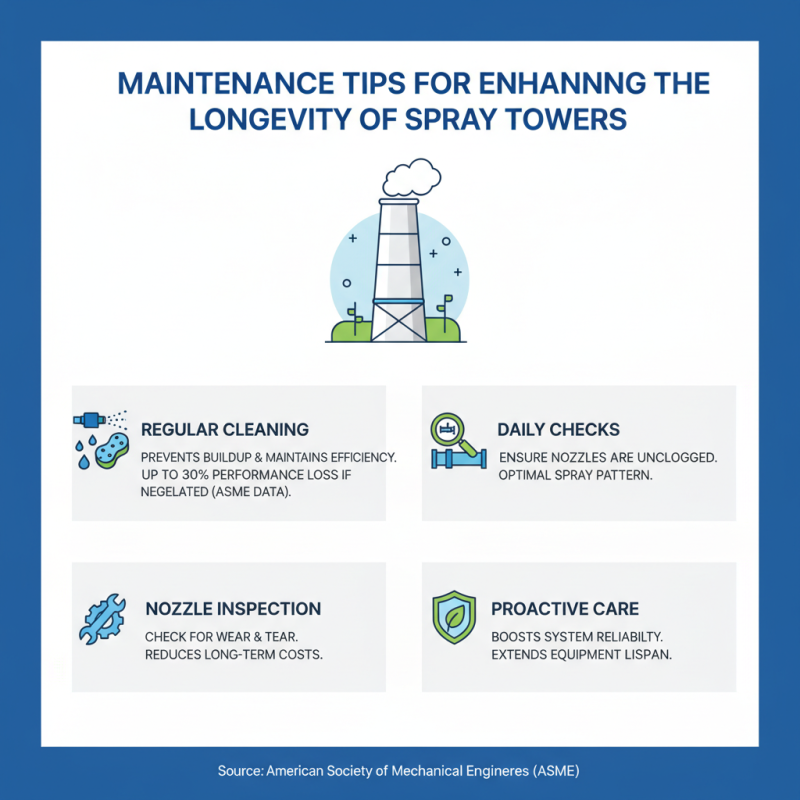
Tips: Regularly check the nozzle for blockages. Clean them frequently for consistent spray quality. Don't rush this process. A well-assembled tower translates to better results. Monitor the spray pattern once operational. Uneven coverage indicates a need for adjustments. Embrace these challenges as opportunities for improvement.
Common Challenges in Spray Tower Operation and Their Solutions
Operating a spray tower efficiently poses several challenges that can hinder optimal results. One common issue is droplet size distribution. If the droplets are too large, they may not vaporize effectively. According to a study by the American Institute of Chemical Engineers, an ideal droplet size of 50 to 70 microns ensures better absorption rates. However, achieving this range consistently can be difficult. Operators often overlook spray pressure settings, which can lead to inconsistent droplet formation.
Another prevalent challenge is clogging. Blockages in nozzles can severely disrupt operations. Regular maintenance is essential to mitigate this issue. As noted in a recent industry report, nearly 25% of downtime in spray tower systems is attributed to clogs. Operators should implement routine checks to clean and inspect nozzles. Neglecting these steps could result in significant production losses.
Temperature control is also crucial. Inconsistent temperatures can lead to inefficient reactions or product quality issues. Many facilities struggle to maintain stable conditions throughout the process. A recent survey indicated that over 30% of facilities reported temperature fluctuations during operation. This inconsistency can affect product yield and quality. Ensuring precise temperature control measures can significantly enhance overall performance.