Top Features of Acid Base Cabinets for Laboratory Safety and Efficiency?
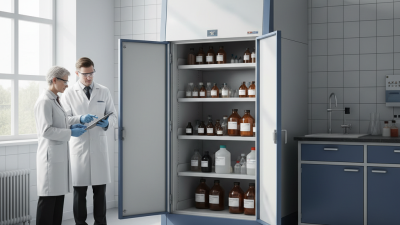
In a laboratory, safety cannot be compromised. One crucial piece of equipment is the Acid-Base Cabinet. These specialized cabinets are designed to store corrosive substances securely. They protect both the users and the environment from hazardous chemicals. A well-designed Acid-Base Cabinet ensures that volatile fumes are contained. It also minimizes the risk of spills and chemical reactions.
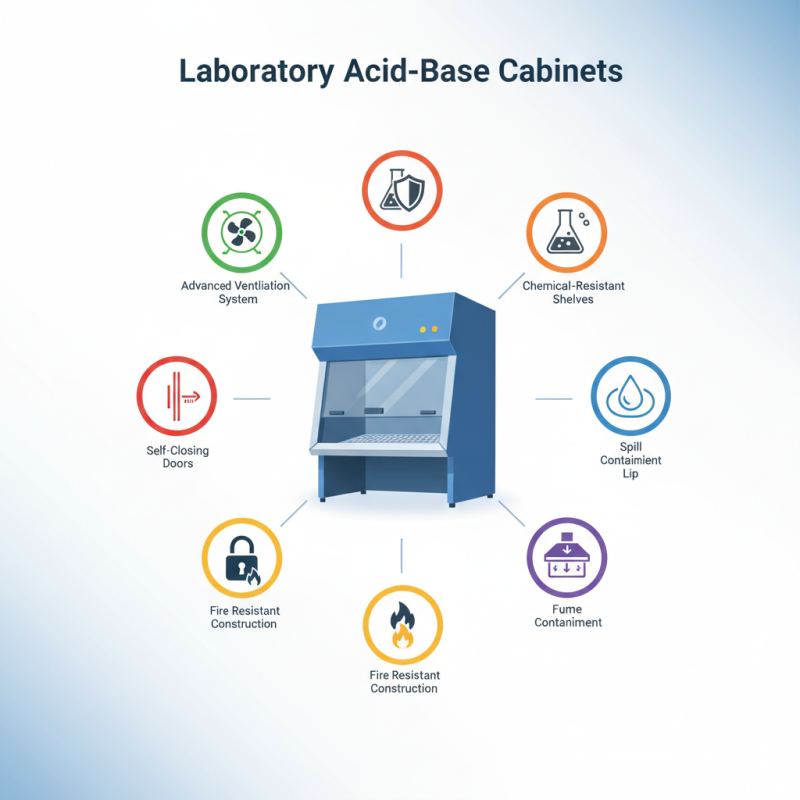
Not all Acid-Base Cabinets are created equal. Features can vary significantly, impacting safety and efficiency. Some cabinets include advanced ventilation systems. Others have chemical-resistant shelves and self-closing doors. It's essential to assess which features align with your laboratory's needs. Ignoring these details can lead to safety oversights.
In conclusion, an effective Acid-Base Cabinet is more than just storage; it is a cornerstone of laboratory safety. By investing in high-quality cabinets, laboratories can ensure peace of mind. However, reflecting on what makes an Acid-Base Cabinet truly safe is vital. This reflection can guide future improvements and innovations in laboratory safety protocols.
Key Characteristics of Acid Base Cabinets for Optimal Laboratory Safety
Acid base cabinets are essential in laboratories. They offer a safe place to store corrosive materials. These cabinets come with specific features that enhance safety. For instance, they often include ventilated spaces to manage fumes. Proper ventilation is crucial in minimizing exposure. Without it, toxic vapors can accumulate.
Additionally, acid base cabinets are designed with robust materials. They are often made of chemically resistant substances. This prevents corrosion over time. A diligent laboratory worker checks for wear and tear regularly. Ignoring this can lead to safety hazards. Also, some cabinets have secondary containment systems. These systems catch spills, preventing accidents.
It’s important to note that not all cabinets meet the same standards. Variations in design can affect safety. Workers should examine the specifications carefully. A cabinet that seems suitable may not be ideal. Regular training on cabinet usage can foster a safety culture. Awareness is key in handling potentially dangerous substances.
Material Considerations: Choosing the Right Construction for Durability
When selecting acid base cabinets for laboratories, material considerations are crucial. The construction material greatly impacts durability and safety. Many laboratories opt for steel or high-density polyethylene (HDPE) due to their resistance to corrosive substances. According to a recent report by the National Institute for Standards and Technology, steel cabinets can withstand significantly higher stress levels than wooden ones. However, steel can corrode if not properly maintained, leading to potential hazards.
HDPE offers an alternative that is non-reactive and resistant to most chemicals. A study from the American Chemical Society indicates that HDPE cabinets show less wear even after years of exposure to harsh agents. Despite these advantages, the cost of HDPE is often higher, which can be a concern for budget-sensitive labs. It's essential to weigh these factors carefully.
Furthermore, customization options, such as coatings or linings, can enhance performance. The durability and safety of acid base cabinets heavily depend on these factors. Regular evaluations and maintenance checks are vital. Lab personnel should always be vigilant in inspecting their storage solutions. This proactive approach ensures longevity and safety, but many still overlook these practices, leading to potential risks.
Ventilation Systems in Acid Base Cabinets: Importance and Design
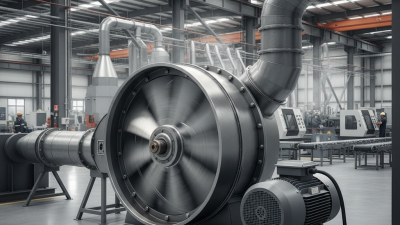
Ventilation systems in acid base cabinets play a critical role in laboratory safety. These systems are designed to effectively manage hazardous fumes and vapors. According to a study by the American Chemical Society, nearly 50% of laboratory accidents are related to inadequate ventilation. Ensuring proper air exchange is vital for maintaining a safe workspace.
Tips: Regularly check filters and exhaust fans to ensure they function correctly. Inefficient ventilation can lead to build-up of toxic substances, which poses severe risks.
The design of a ventilation system must prioritize airflow efficiency. A well-designed system keeps airborne contaminants away from the user. According to a report from the National Institute for Occupational Safety and Health, appropriate airflow can reduce exposure levels significantly. However, not all configurations ensure effective air movement. Lab managers should assess their specific needs before installation.
Tips: Conduct routine airflow tests to confirm system performance. Adjustments may be necessary to meet evolving lab conditions. Safety should always be a dynamic concern in laboratory environments.
Safety Features: Spill Containment and Secondary Barriers Explained
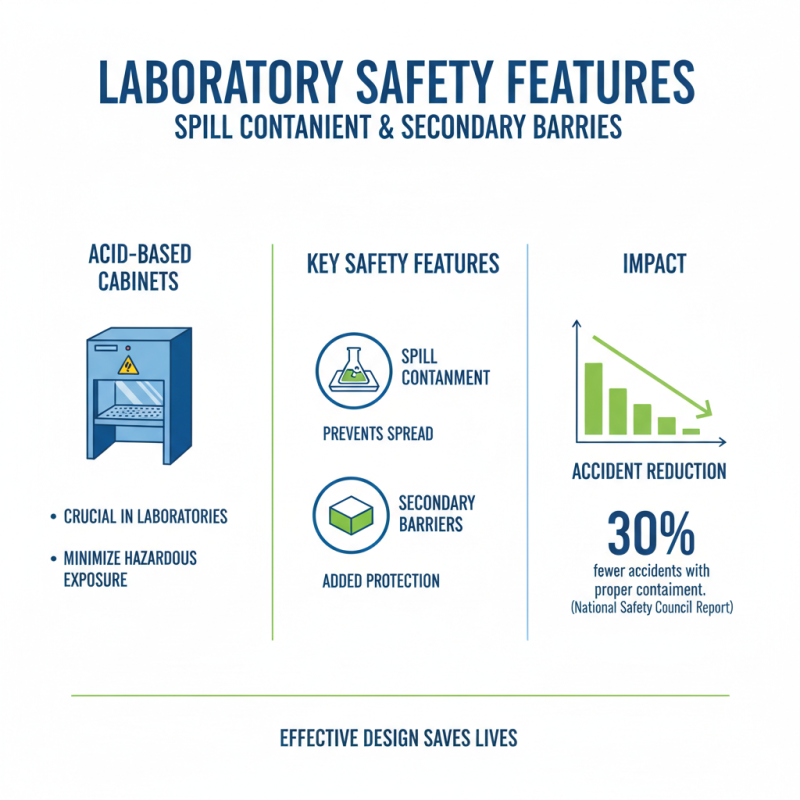
Acid base cabinets are crucial in laboratory environments. They provide essential safety features, such as spill containment and secondary barriers. These attributes minimize the risk of hazardous material exposure. A report by the National Safety Council states that proper containment systems reduce accidents by nearly 30%. This emphasizes the need for effective design in laboratory safety protocols.
Spill containment is a primary feature. It typically involves a sump or a containment base that can hold significant liquid volumes. The size and depth of the sump can vary, but many modern cabinets can handle spills up to 1.5 times the volume of the stored chemicals. Secondary barriers, like drip trays, add an extra layer of protection. These features are essential for compliance with safety regulations. However, some laboratories still overlook maintenance, leading to potential failures in these systems.
Regular inspections and proper use are crucial. A study by the American Chemical Society highlighted that over 40% of labs fail to adhere to routine checks. This negligence can result in dire consequences. Understanding the balance between safety features and maintenance can significantly improve laboratory efficiency. Proper training on the use and care of acid base cabinets is equally important.
Best Practices for Organizing Chemicals in Acid Base Cabinets
Proper organization of chemicals in acid base cabinets is essential for laboratory safety.
Segregating acids from bases prevents dangerous reactions. Label all containers clearly.
Use color-coded labels for easy identification.
This simple practice minimizes confusion and enhances safety.
When storing chemicals, consider temperature control.
Some substances require specific conditions. Ensure the cabinet is cool and ventilated.
Regularly check for leaks or spills. This ensures environmental safety and maintains chemical integrity.
Remember to conduct periodic inventory checks.
Outdated or unused chemicals should be disposed of correctly.
This is often overlooked but crucial for safety. Regular maintenance keeps the cabinet efficient and reduces hazards.
Create a checklist for your inventory process.
This detail increases accountability and awareness.