What is a Spray Tower and How Does It Work?
A Spray Tower is a crucial component in various industrial applications, especially in air and water treatment processes. According to recent industry reports, the global market for air pollution control equipment, which includes Spray Towers, is anticipated to reach $65 billion by 2027. This signifies a pressing need for effective solutions to combat environmental challenges.
Spray Towers operate based on the principle of mass transfer. In these systems, liquid is sprayed into a gas stream, promoting interaction and allowing efficient removal of pollutants. Data indicates that these systems can achieve over 90% removal efficiency for specific contaminants. However, the effectiveness can vary based on factors such as design, nozzle type, and operational parameters.
While Spray Towers can effectively reduce emissions, not all installations perform optimally. It is essential to conduct regular evaluations to ensure maintenance and operational standards. In some cases, data reveals that improper setup or lack of training can lead to inefficiencies. Continuous improvement and adaptation to technological advancements are needed to maximize the benefits of Spray Towers in industrial applications.
What is a Spray Tower?
A spray tower is a crucial component in many industrial processes, particularly in air pollution control. Its primary function is to remove pollutants from gases through a system of spray nozzles. The design allows for a large surface area for gas-liquid interaction, enhancing absorption rates. Research shows that spray towers can achieve over 90% removal efficiency for certain airborne contaminants. This efficiency is vital in industries such as chemical manufacturing, where emissions are significant.
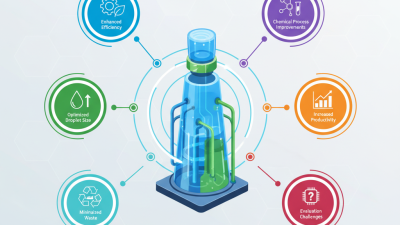
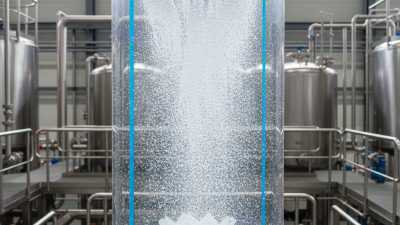
The operation of a spray tower involves creating a fine mist of liquid that interacts with the gas stream. As the gas flows upward, the droplets collide with the pollutants, allowing for effective absorption or reaction. Studies indicate that optimal droplet size is critical; smaller droplets increase the surface area, improving contact time with the gas. However, this also poses challenges, as maintaining uniform droplet size can be technically demanding.
Consideration must also be given to the type of liquid used in the process. Water is often the primary medium, but additional chemicals may be needed for specific pollutants. A report by the Environmental Protection Agency (EPA) notes that the choice of liquid can impact treatment efficiency and cost. It is essential for industries to evaluate their specific needs and the capability of spray towers, as improper assessments can lead to suboptimal performance and increased operating costs.
What is a Spray Tower and How Does It Work?
| Dimension |
Description |
| Function |
To remove pollutants from industrial exhaust gases. |
| Components |
Spray nozzles, tower structure, packing material, mist eliminators. |
| Process |
Polluted gas enters the tower, comes in contact with sprayed liquid, and particulates are captured. |
| Applications |
Used in power plants, chemical processing, and waste treatment facilities. |
| Advantages |
Effective at reducing harmful emissions, can handle large volumes of gas. |
| Limitations |
Requires appropriate liquid, potential for fouling, may need additional processing for certain pollutants. |
Principle of Operation in a Spray Tower
A spray tower is an essential equipment in various industries for gas-liquid interactions. Its primary function relies on creating a large surface area where gases and liquids meet. This principle helps facilitate processes such as absorption, cooling, and reaction.
In a typical spray tower, liquid is atomized into fine droplets. These droplets are introduced into a gas stream moving upwards. Reports indicate that such systems can achieve gas removal efficiencies exceeding 90% for certain pollutants. Additionally, the design of the tower can significantly impact performance. For example, the height, diameter, and spray orientation all play critical roles.
Understanding how flow rates impact the efficiency is crucial. A higher liquid flow rate may generate more spray droplets, enhancing contact with gas. However, excessive flow can lead to flooding, which hinders performance. Balancing these parameters is vital.
While spray towers are effective, they can present challenges. Factors like liquid distribution and droplet size need careful monitoring. If not addressed, these factors can decrease efficiency and lead to unexpected operational costs. Regular maintenance and performance checks are recommended to ensure optimal operation. Adjustments based on real-time data can help mitigate inefficiencies frequently encountered in practice.
Components of a Spray Tower System
A spray tower system consists of several key components designed to improve pollution control. At its core, you will find a tower structure, often built from durable, corrosion-resistant materials. The tower is usually vertical, providing ample space for airflow and liquid interaction. Inside, there are spray nozzles that atomize a liquid solution, dispersing it into fine droplets. These droplets come into contact with the gas stream, allowing for efficient mass transfer.
In addition to the tower and nozzles, the system includes a liquid reservoir that stores the scrubbing liquid. A pump circulates the liquid through the system, ensuring a continuous flow. It’s important to regularly monitor the pump’s performance. Neglecting maintenance can lead to decreased efficiency. The gas inlet ensures that pollutants enter the system while an outlet allows for the treated air to exit.
To enhance the system's effectiveness, packing materials may line the tower, increasing surface area for reactions. This is where the design can sometimes fall short. Ideal conditions aren't always met, leading to potential operational issues. Operators must adjust parameters like flow rates. Regular testing and feedback are crucial. Over time, challenges may arise, prompting reevaluation of existing setups.
Applications of Spray Towers in Industry
Spray towers are versatile systems widely used across various industries. Their primary application lies in air pollution control. In the chemical industry, they help minimize emissions of volatile organic compounds (VOCs). According to the U.S. EPA, spray towers can reduce VOC emissions by up to 90%. This significant reduction underscores the towers' importance in maintaining environmental standards.
In the food industry, spray towers play a critical role in sanitizing products. They allow for the controlled application of sanitizing agents. This process ensures that food products are safe for consumption. Reports indicate that effective spray tower systems can decrease microbial loads by more than 80%. However, achieving such high efficiency requires careful monitoring of parameters like droplet size and contact time.
Despite their effectiveness, maintaining spray towers presents challenges. Over time, scaling and fouling can occur, affecting performance. Regular maintenance routines need to be established to ensure optimal functioning. Engineering a solution to minimize these issues requires ongoing research and innovation. As industries evolve, the need for reliable and efficient spray tower systems becomes ever more critical.
Advantages and Challenges of Using Spray Towers
Spray towers are effective tools in air pollution control. They utilize a process where liquid is sprayed into a gas stream to capture pollutants. This method can remove up to 99% of certain contaminants, making it highly efficient. Data shows that spray towers are increasingly used in industries like power generation and chemical manufacturing. In these sectors, operators appreciate their ability to handle high volumes of gas.
However, using spray towers comes with challenges. Maintenance can be demanding due to potential clogging of spray nozzles. This can result in reduced efficiency, requiring regular inspections and cleaning. Furthermore, the initial setup cost can be a barrier for smaller operations. Estimates indicate that installation prices can range from $50,000 to over $500,000, depending on the tower size and technology.
Environmentally, while spray towers can significantly reduce emissions, they also produce wastewater. This byproduct must be treated before disposal. Improper management can lead to secondary pollution, a critical concern for compliance with environmental regulations. Balancing efficiency and sustainability should become a priority for operators considering spray tower technology.