Choosing the right Activated Carbon Adsorption Box can significantly impact air quality and pollution control. In recent years, the market for air filtration systems has grown. According to a 2022 report by Global Market Insights, the industry is projected to reach $14 billion by 2026. This raises questions about product selection and effectiveness.
Activated Carbon Adsorption Boxes are crucial for various applications, ranging from industrial settings to home air purification. Recent studies show that these systems can reduce volatile organic compounds (VOCs) by up to 99%. However, selecting the wrong product can lead to inefficiencies and increased costs.
It’s vital to consider factors like carbon type, airflow rates, and specific contaminants you aim to filter. Not all Activated Carbon Adsorption Boxes are created equal. Researching and understanding specifications can prevent costly mistakes and ensure optimal performance. Balancing efficiency and cost is essential in making a well-informed choice.
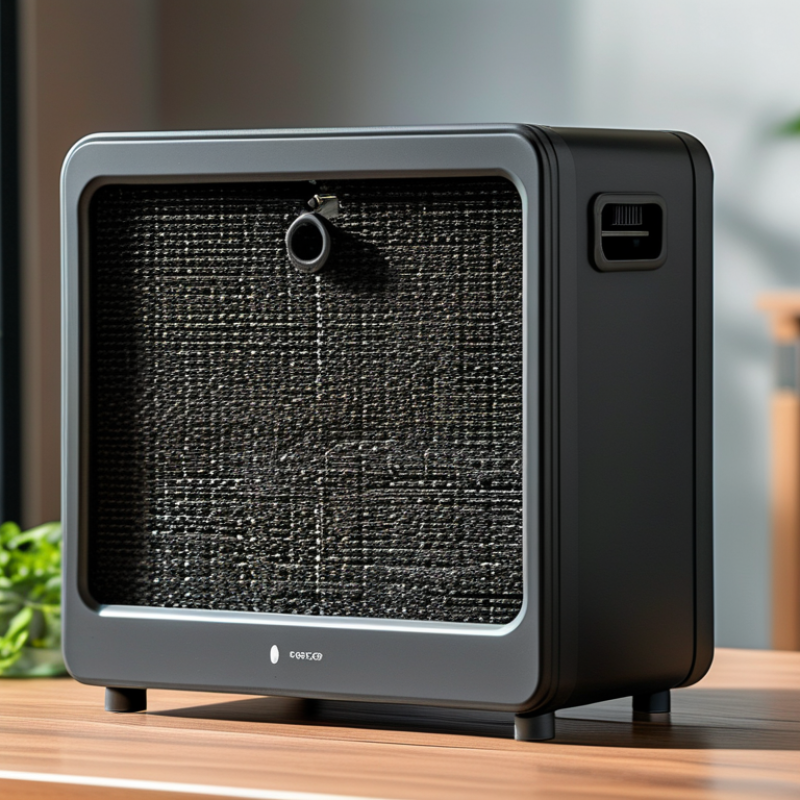
Activated carbon adsorption boxes are essential in various applications, including air and water purification. They effectively remove contaminants, odors, and harmful substances. Understanding how these systems work helps users make informed choices.
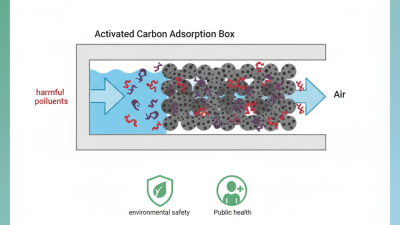
Activated carbon has a high surface area that attracts and traps pollutants. When air or water passes through, impurities bond to the carbon, leading to cleaner output. This principle is utilized in household air filters, industrial exhaust systems, and even aquariums. Each application requires a specific design and size for optimal performance.
Selecting the right adsorption box involves considering its intended use. Factors like flow rate, contaminant types, and space constraints must be assessed. People often overlook these details, leading to inefficient filtration. Choosing wisely can significantly enhance air quality or water safety, impacting health and well-being.
When selecting an activated carbon adsorption box, consider several key factors that influence performance. The size of the box should match your specific needs. For small spaces, compact designs can be effective. Larger areas may require more extensive solutions to ensure adequate air purification. Think about the volume of air you need to treat regularly. This directly impacts the box's efficacy.
The type of activated carbon used is critical. Not all carbons are the same. Some are better for odors, while others excel in removing specific chemicals. Research different media types for your particular situation. Additionally, check the box's filter replacement frequency. A unit needing frequent maintenance may not suit busy environments.
Take note of the airflow rate as well. It’s essential to ensure that the box can handle the volume without blocking air. Some designs may restrict airflow, reducing efficiency. Look into user reviews and feedback to gauge reliability and performance over time. Mistakes can happen, and trusting the wrong product can lead to frustration. It's important to reflect on your past choices and learn from them.
| Tip | Description | Key Factors |
|---|---|---|
| 1. Determine Your Needs | Understand the specific contaminants you need to remove. | Contaminant Type |
| 2. Evaluate Airflow Requirements | Consider the volume of air that needs to be filtered. | Airflow Rate |
| 3. Check the Carbon Quality | Ensure the activated carbon is high-grade for better adsorption. | Carbon Type and Quality |
| 4. Consider the Size | Choose a size that fits your space and application needs. | Dimensions |
| 5. Look for Features | Additional features like pre-filters can enhance efficiency. | Features and Accessories |
| 6. Check for Certifications | Ensure the product meets necessary environmental and safety standards. | Certification Standards |
| 7. Assess Maintenance Requirements | Understand the upkeep needed to maintain the unit's performance. | Maintenance Schedule |
| 8. Compare Prices | Gather quotes from various suppliers for a fair price. | Cost Analysis |
| 9. Read Reviews | Look for customer feedback to assess effectiveness. | User Reviews |
| 10. Consult Experts | Seek advice from professionals for tailored recommendations. | Expert Opinions |
When choosing the right activated carbon adsorption box, assessing size and capacity is crucial. Each application requires specific dimensions. For instance, air filtration systems often need larger boxes than those designed for water treatment. The World Health Organization (WHO) suggests that air quality can be improved significantly with properly sized activated carbon systems.
Capacity is another vital factor. A common misunderstanding is that larger boxes always yield better results. According to a study by the Environmental Protection Agency (EPA), the efficiency of activated carbon diminishes after a certain point. It’s essential to match the box's capacity with your unique requirements. Overestimating needs can waste resources and lead to inefficiencies.
Consider the environment too. The chemical composition of contaminants affects how much activated carbon you need. For example, volatile organic compounds (VOCs) require different amounts of carbon than standard odors. Research indicates that a typical residential filter might handle about 50-100 grams of carbon per room effectively. Ultimately, sizing and capacity must be chosen based on precise analyses of your needs and conditions.
When evaluating activated carbon materials, understanding the specific application is crucial. Different types of activated carbon are designed for various uses. For air purification, a carbon with a high surface area is preferred. This enhances the adsorption process effectively. For water treatment, it’s essential to consider the pore size. Larger pores can capture larger contaminants.
Another factor is the source of the carbon. Coconut shell carbon is often praised for its hardness and effectiveness. However, coal-based carbon might be more cost-effective for certain applications. Make sure to assess particle sizes too. Finer particles can improve contact and enhance performance, but they may also create pressure drops.
Research reveals that not all activated carbons are suitable for every purpose. Misalignment of material type with application can lead to inadequate results. It’s essential to reflect on your specific needs. Ask questions about the performance metrics of each material. Collecting data through user reviews or scientific studies can provide further insights. Seeking guidance from professionals can also clarify your choices.
When selecting an activated carbon adsorption box, maintenance and cost are crucial. Regular upkeep can significantly extend its lifespan. Experts recommend cleaning or replacing the carbon every 6 to 12 months. This frequency ensures optimal performance, especially in high-pollution environments. The cost of activated carbon varies, but on average, it ranges from $2 to $5 per pound. This can add up over time.
A detailed maintenance schedule should include checking for leaks and assessing its adsorption capacity. Industry reports show that failure to maintain can lead to a 20% reduction in efficiency. Addressing minor issues promptly prevents larger, costly repairs later. Monitoring usage patterns also helps in budgeting for future replacements.
Consider the long-term costs associated with underperformance. While a cheaper unit may seem appealing, it can lead to increased operational costs. High-quality units may have a higher initial price but can save money in the long run. Striking a balance between initial investment and ongoing costs is essential for optimal results. Proper research and planning can lead to better choices, benefiting both the environment and the bottom line.