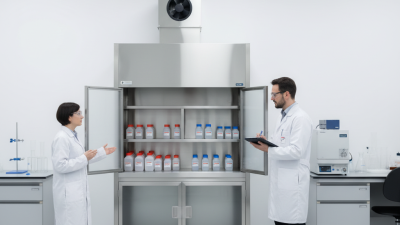
Top Acid Base Cabinet Models for Your Lab Needs?
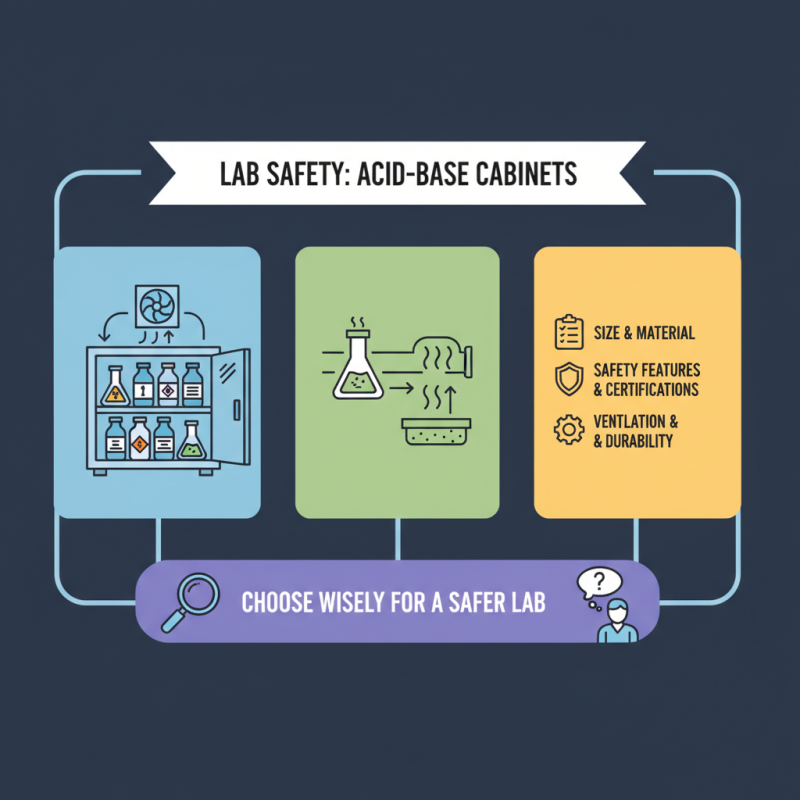
When it comes to laboratory safety, an Acid-Base Cabinet is essential. These specialized cabinets protect users and the environment from harmful chemical spills. In labs, acids and bases are common, posing potential hazards. Choosing the right model can greatly enhance safety.
Acid-Base Cabinets not only store chemicals but also provide ventilation and containment. This is crucial for preventing toxic fumes from spreading. However, with many options available, it can be challenging to find the best fit. Factors such as size, material, and safety features should be carefully considered.
It’s essential to prioritize reliability and durability when selecting an Acid-Base Cabinet. Not all cabinets are created equal. Some may lack necessary safety certifications or proper ventilation. Users must reflect on their specific needs and the environment in which the cabinet will be used. An informed choice will lead to a safer lab experience.
Top Acid Base Cabinet Models for Your Lab Needs
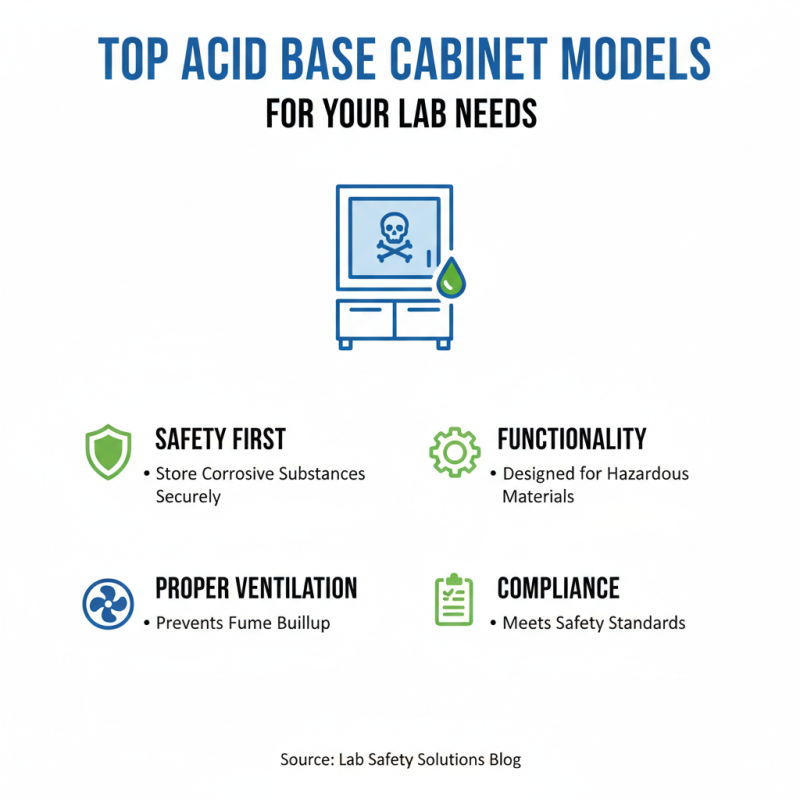
When selecting the right acid base cabinets for your lab, it’s crucial to focus on functionality and safety. These cabinets should be designed to store corrosive substances securely. Choose models that offer proper ventilation. Ensure that your lab complies with safety standards for hazardous materials.
Tips for selecting the right model include checking materials. Cabinets made of steel or polyethylene provide excellent chemical resistance. Remember to look for adjustable shelves. This feature allows for better organization and maximizes space efficiency.
Never overlook the importance of labeling. Each cabinet should have clear signage regarding its contents. This reduces the risk of mixing incompatible chemicals. Always consider the size and layout of your lab space. Cabinets should fit seamlessly without obstructing workflow. It's easy to underestimate the cabinet's role in lab safety. Reflect on your lab's specific needs to make informed choices.
Key Features to Look for in Acid Base Cabinets
When selecting an acid-base cabinet for your laboratory, focus on key features that ensure safety and usability. A well-designed cabinet should have chemical-resistant materials. This feature is vital for protecting both the cabinet and the contents inside. Look for cabinets made from polypropylene or steel with durable coatings. These materials will withstand corrosive substances over time.
Ventilation is another crucial aspect. Adequate airflow helps to avoid the buildup of harmful vapors. Many cabinets come equipped with vents or filtration systems. Regular inspection of these systems is essential. This routine maintenance can prevent potential hazards. Additionally, consider the cabinet’s capacity and organization. Adjustable shelving can enhance storage efficiency. Ensure it can accommodate your specific containers and equipment comfortably.
While durability and functionality are important, aesthetics should not be ignored. A well-organized workspace fosters productivity. Choose a color and design that aligns with your lab environment. However, remember that functionality always trumps style. Investing in a reliable acid-base cabinet enhances overall lab safety and performance. Reflect on how these factors fit into your specific needs before making a final decision.
Top Acid Base Cabinet Models for Your Lab Needs
This chart illustrates the key features of popular acid base cabinet models, including storage volume, safety rating, and price range.
Industry Standards and Compliance for Lab Safety Equipment
When selecting acid base cabinets for laboratory use, safety is a top priority. Industry standards dictate that these cabinets must provide effective containment of hazardous materials.
Proper design features include sturdy construction, appropriate ventilation, and easy access for users. Compliance with standards helps prevent incidents that can result in injuries.
Understanding compliance requirements is crucial. Regular inspections ensure that cabinets meet local regulations and safety guidelines. It’s important to document these inspections as they reflect accountability and reliability. Training your staff on proper usage contributes greatly to reducing risks. While industrial protocols can seem clear-cut, gaps in compliance can happen, leading to potential safety hazards.
Selecting the right cabinet needs careful consideration. Evaluate materials, design, and operational ease. Sometimes, companies overlook the maintenance aspect. Regular checks and updates are essential for long-term safety. With safety equipment, one cannot afford complacency. Continuous reflection on practices ensures that all safety standards are upheld.
Comparative Analysis of Popular Acid Base Cabinet Brands
When it comes to acid base cabinets, choosing the right model is crucial for lab safety. A comparative analysis of popular brands reveals that each offers unique features tailored to specific laboratory needs. The focus is often on durability, chemical resistance, and proper ventilation. Ensure that the cabinet you choose is suited for the type of chemicals you'll be storing.
Here are some tips for selecting the best acid base cabinet:
- Assess your lab's chemical storage requirements thoroughly.
- Look for cabinets with adjustable shelves to maximize space.
- Ensure that the unit has adequate ventilation to minimize fume buildup.
Another point to consider is the construction material. Steel cabinets might be more durable, but they can be prone to corrosion without proper coatings. On the other hand, some plastic options could offer better chemical resistance but vary in structural integrity. A balance between safety and functionality is key. Reflect on what has worked or failed in your lab previously to inform your choice effectively.
Maintenance Tips for Enhancing the Lifespan of your Acid Base Cabinet
Acid base cabinets are essential for any laboratory handling corrosive substances. Whether you store strong acids or bases, proper maintenance is crucial. Regular cleaning is a must. Use a soft cloth and mild detergent. Avoid harsh chemicals that may damage the cabinet surface.
Check for leaks monthly. A small spill can lead to severe damage. Repair any signs of wear immediately. Examine seals and gaskets to ensure they are intact. If any are degraded, replace them without delay.
Enhancing the lifespan of your cabinet also involves regular checks of ventilation systems. Ensure that air circulation is optimal. Poor ventilation can lead to buildup and chemical degradation. Plan for professional inspections periodically. This proactive approach will prevent larger issues down the line. Aim for a tidy and organized workspace; it reflects your commitment to safety and reliability.
Top Acid Base Cabinet Models for Your Lab Needs - Maintenance Tips for Enhancing the Lifespan of Your Acid Base Cabinet
| Model |
Capacity (Liters) |
Material |
Special Features |
Maintenance Tips |
| Model A |
100 |
Polypropylene |
Anti-corrosive, Lockable doors |
Regularly inspect seals and hinges. |
| Model B |
150 |
Steel with epoxy coating |
Ventilation system, Adjustable shelves |
Clean with appropriate solvents and check for rust. |
| Model C |
200 |
High-density polyethylene |
User-friendly design, Spill containment |
Ensure ventilation systems are functioning properly. |
| Model D |
120 |
Fiberglass |
Chemical resistant, Lightweight |
Check integrity of the structure and clean weekly. |