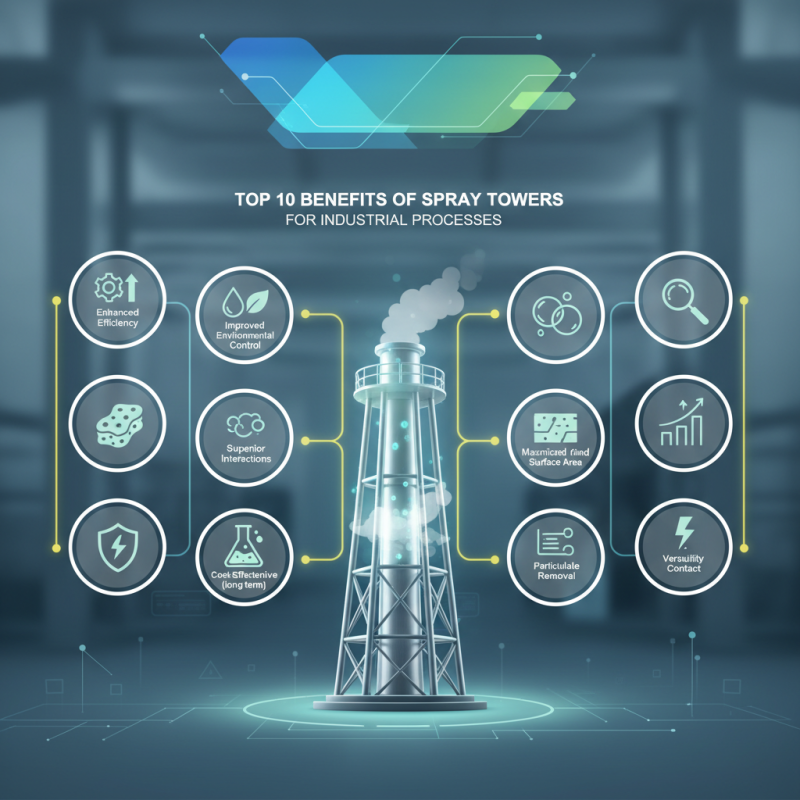
Top 10 Benefits of Using Spray Towers for Industrial Processes?
In industrial processes, efficiency is key. The Spray Tower emerges as a vital tool for enhancing operations. This innovative device optimizes fluid interactions in various applications.
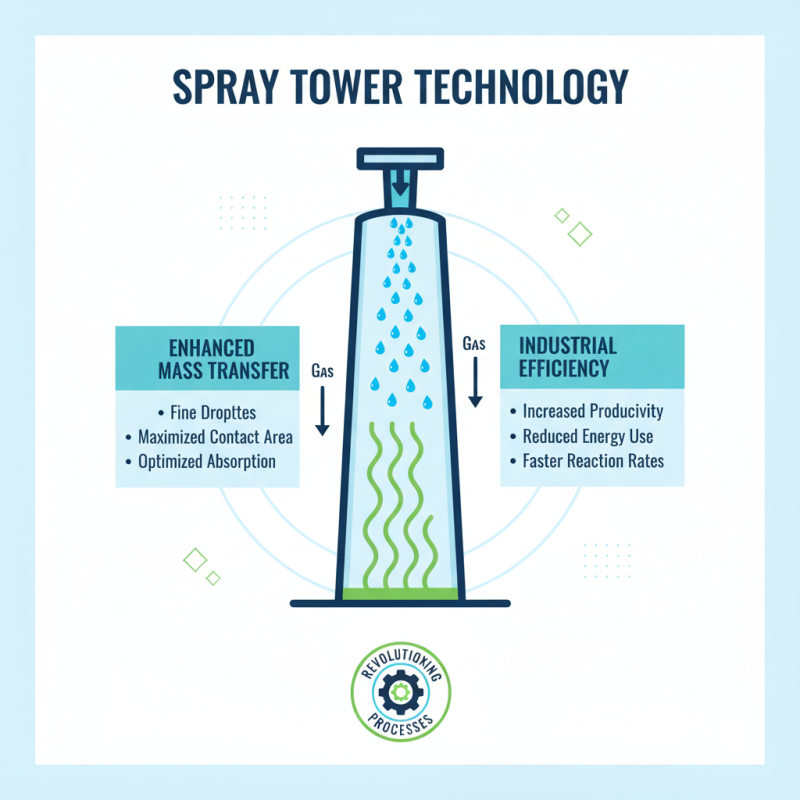
Spray Towers play a crucial role in gas-liquid contact. They improve the absorption of volatile compounds. By utilizing fine mist, they maximize surface area for reactions. This can lead to more effective environmental control. However, implementing Spray Towers is not without challenges.
Maintenance and operational costs can be high. Issues such as clogging can reduce efficiency over time. Moreover, not all industries adapt well to this technology. Companies must weigh the benefits against potential drawbacks carefully. Ultimately, the Spray Tower promises significant advantages while requiring thoughtful consideration.
Overview of Spray Towers and Their Industrial Applications
Spray towers are essential in various industrial processes. They effectively cool and scrub gases, reduce emissions, and enhance product recovery. In 2021, the global market for spray towers was valued at $1.8 billion, with a projected growth rate of 6.5% annually. This growth reflects increasing environmental regulations and the demand for more efficient production methods.
Industries like power generation and chemical manufacturing rely heavily on spray towers. These systems can reduce particulate matter by up to 95% in some applications. However, not all installations perform equally. Some may struggle with clogging and maintenance issues, leading to inefficiencies. Regular cleaning is necessary to ensure optimal operation, which can sometimes result in downtime.
Moreover, spray towers can consume a significant amount of water. This raises questions about sustainability in water-scarce regions. Innovative designs and technologies are emerging to address these concerns. However, the balance between efficiency and resource use remains a challenge. By investing in new materials and monitoring systems, industries may improve their spray tower effectiveness over time.
Key Principles of Operation in Spray Towers
Spray towers serve as vital components in many industrial processes, utilizing a simple yet effective mechanism for gas and liquid interactions. The principle of operation revolves around the atomization of liquids into fine droplets, which are then sprayed into a gas stream. This design often features a distribution system that ensures uniform coverage of the liquid. However, achieving optimal droplet size can be tricky. If the droplets are too large, they won’t mix effectively, while excessively small droplets may lead to excessive evaporation.
The efficiency of these towers relies heavily on factors such as flow rates and temperatures. Monitoring these parameters is crucial for maintaining system performance. There can be challenges related to maintaining the desired pressure drop and minimizing energy consumption. Often, plant operators may overlook routine maintenance, which affects performance over time. Discomforting issues like clogging in spraying nozzles can arise from lack of attention, and ensuring the system is clear and functioning properly is paramount.
Optimizing the design for specific processes can enhance effectiveness. Conducting regular evaluations may reveal areas for improvement. Adjustments to the height, diameter, or arrangement of the spray nozzles could yield better results. Fine-tuning these details requires ongoing reflection and adaptation. Balancing efficiency with operational costs remains a puzzle for many industry leaders.
Reduction of Pollutants and Environmental Impact
Spray towers play a crucial role in reducing pollutants in industrial processes. These systems enhance gas-liquid contact, promoting effective scrubbing of harmful substances. According to a report by the Environmental Protection Agency, over 30% of industrial emissions can be mitigated through advanced spray tower technology. By utilizing water or chemical solutions, spray towers can capture particulates and gases efficiently.
The reduction of environmental impact is significant. Studies indicate that industries using spray towers can lower volatile organic compounds (VOCs) emissions by 50% or more. With increasing regulations on air quality, adopting such technologies can help facilities comply with stringent standards. The result is cleaner air and a healthier environment for communities nearby.
**Tips:** Regular maintenance of spray towers is essential for optimal performance. Inspecting nozzles and checking for blockages can help maintain efficiency. Additionally, monitoring liquid flow rates ensures maximum pollutant capture.
Investing in spray tower technology may require upfront costs. Yet, the long-term benefits often outweigh these expenses. Many facilities have reported savings from reduced fines and improved public relations. This technology is a practical approach to minimizing industrial impact on the environment.
Cost Savings and Economic Advantages of Spray Towers
Spray towers play a crucial role in reducing operating costs for various industrial processes. According to a report by the Environmental Protection Agency (EPA), these systems can lower energy consumption by up to 30%. This reduction directly correlates to significant savings on utility bills. In many cases, industries that implemented spray towers observed a decrease in total operational expenses.
Another advantage lies in maintenance costs. A study by the Chemical Engineering Journal highlights that spray towers require less frequent maintenance than traditional scrubbers. This results in lower labor costs and reduced downtime. Industry professionals also note that using spray towers can lead to improved efficiency in pollutant removal. This efficiency can mean less waste and more sustainable operations. However, improper installation can lead to inefficiencies and higher costs.
The initial investment in spray towers might be a concern. Yet, the long-term savings are compelling. The average return on investment (ROI) for companies adopting these systems is 20% within five years. Without proper assessment and planning, these projections could fall short. Factors like system design and operational needs must be considered carefully. This also emphasizes the importance of proper employee training to maximize the benefits.