
Leave Your Message

10 Best Three Mouth Faucets for Global Buyers?

Choosing a Three-Mouth Faucet for international use requires more than comparing finishes and prices. Buyers must examine water pressure, valve quality, installation space, and regional connection standards. A stylish model can still disappoint when its spout reaches too far or its controls feel loose.

Richard Grohe, former Hansgrohe executive, expressed a useful industry principle: “A faucet must earn its place at the sink through reliable performance, not appearance alone.” That idea guides this review. Each product should be judged through practical details, including cartridge durability, spray control, swivel range, leak resistance, and cleaning effort. A solid brass body may suggest strength, but internal parts and after-sales support matter more over time. Small details count.

Real kitchens and bathrooms are rarely perfect. Counters may be uneven. Water may contain heavy minerals. Local plumbers may prefer different fittings. These conditions can change the buying decision. Some models look excellent online but feel less convincing after installation. That weakness deserves attention, not excuses.

This guide compares ten Three-Mouth Faucet options for global buyers. It considers design, usability, maintenance, warranty clarity, and value across different markets. Certification requirements can also vary by country, so buyers should verify local compliance before ordering. Prices and availability may change without notice. No single faucet suits every household. The strongest choice balances dependable engineering with realistic installation conditions.
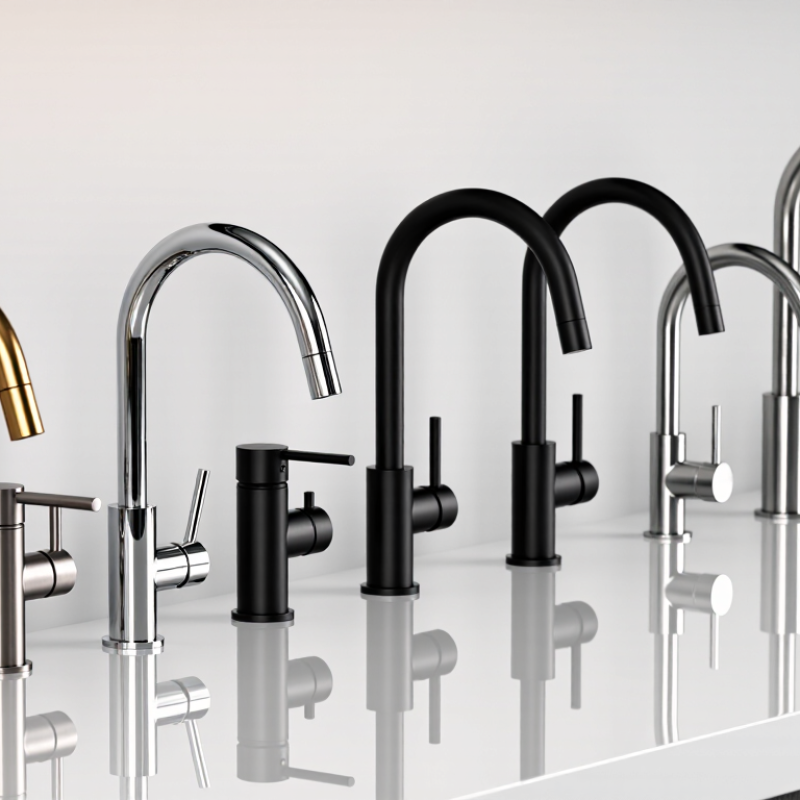
10 Best Three Mouth Faucets for Global Buyers?

What Are Three-Mouth Faucets and How Do They Work?

Three-mouth faucets usually refer to three-hole or three-piece faucet systems. They have separate openings for hot water, cold water, and the central spout. The handles may sit beside the spout or connect through flexible hoses beneath the sink. Turning a handle lifts an internal cartridge or valve. Water then travels through the supply line and exits through the spout after mixing.

This design offers precise temperature control and a balanced appearance. However, the term “three-mouth” is not used consistently worldwide. Some sellers may describe a three-hole basin faucet, while others mean a faucet with three outlets. Buyers should check the technical drawing, hole spacing, thread size, and included connectors. Local water pressure also matters. A faucet designed for high pressure may perform poorly in a low-pressure apartment. I would not rely on product photos alone.

Tips: Measure the sink before ordering. Confirm hot and cold inlet positions. Check whether adapters fit your plumbing standard. Ceramic cartridges often provide smoother control, but they are not maintenance-free. Clean aerators regularly, and inspect washers when dripping begins. A small installation error can create a slow leak under the cabinet. That detail is easy to overlook.

Key Features Global Buyers Should Compare Before Purchasing

10 Best Three Mouth Faucets for Global Buyers?

Key Features Global Buyers Should Compare Before Purchasing

A three-mouth faucet usually means a three-hole basin faucet with separate hot, cold, and spout openings. Measure the basin carefully. A 4-inch spread differs greatly from an 8-inch widespread design. Check the spout reach, height, and swivel range. A short spout may leave water near the basin edge. That small mistake causes daily splashing.

Compare the valve material and cartridge construction. Ceramic cartridges often provide smoother control and fewer drips than basic plastic parts. However, material names can be vague. Ask for technical specifications, not attractive product language. Confirm the recommended water pressure and temperature range. Some homes use low-pressure tanks, while others have strong municipal pressure. Flow-rate information also matters, especially where water conservation rules apply.

Look for corrosion-resistant metal, stable mounting hardware, and flexible connection hoses. Finishes should tolerate soap, minerals, and frequent wiping. Test samples if possible. A finish that looks perfect under showroom lights may show water spots quickly. Check whether replacement cartridges, washers, and aerators are available in your market. This affects long-term repair costs. Certification should match the destination country or region, because approval requirements are not identical worldwide. Packaging needs internal protection too; loose handles can arrive scratched after long transport. Warranty terms deserve close reading. Some cover the cartridge but exclude labor and shipping. That detail is easy to miss.

How to Evaluate the 10 Best Three-Mouth Faucets

Evaluating the 10 Best Three-Mouth Faucets for Global Buyers starts with fit, not appearance.

“Three-mouth” usually refers to a three-hole, deck-mounted faucet with separate hot, cold, and spout openings. Measure the hole spacing carefully. Common layouts vary by market, and a beautiful faucet may not fit a 203-millimeter countertop.

Check flow performance, cartridge quality, and installation access. The U.S. Environmental Protection Agency’s WaterSense specification limits bathroom faucet flow to 1.5 gallons per minute, while requiring at least 20% lower flow than the federal maximum. This can reduce water use without making handwashing feel weak.

Ask suppliers for tested flow data, pressure ranges, and replacement cartridge availability. Look for lead-free material declarations and compliance with recognized standards, such as NSF/ANSI/CAN 61 where applicable. Surface durability also matters. A polished finish can show fingerprints within minutes.

Tips:

Compare warranty terms in writing. Confirm thread sizes, hose lengths, and included adapters before ordering. Inspect the valve body, not only the visible finish. A heavier body often feels reassuring, but weight alone proves little.

Request factory test records and installation drawings. Also, do not trust every “water-saving” label; independent certification is more useful than marketing language.

My own evaluation would score serviceability higher than decorative details, although that choice may frustrate buyers seeking a luxury look. The best option is rarely the cheapest or the most attractive one.

Installation, Compatibility, and Maintenance Considerations

Choosing among the 10 best three-mouth faucets requires more than comparing finishes and prices.

Installation conditions often decide whether a faucet performs well. Measure the sink’s hole spacing, deck thickness, and clearance behind the basin. Many three-mouth designs use separate hot, cold, and spout openings. A standard spacing may not fit an older countertop.

Check the connection size before ordering. Supply hoses, shutoff valves, and adapters must match local plumbing standards.

I once assumed a universal connector would fit every installation. That assumption was wrong. The threads matched, but the hose length caused a sharp bend beneath the sink. Flexible lines should curve gently, never twist or press against cabinet walls.

Use a level during installation. Even a small tilt can leave water around the base.

Maintenance affects long-term reliability.

Wipe mineral deposits from the aerator every few months, especially in hard-water areas. Remove the screen carefully and soak it in approved descaling solution. Do not use abrasive pads on plated surfaces.

Inspect the washers and connection points for slow moisture. Small leaks rarely stay small. If the handle feels stiff, forcing it may damage the internal cartridge.

Turn off the water, remove the handle, and inspect the cartridge according to the installation guide. Some designs are easy to service, but replacement parts are not always available locally. That detail deserves more attention before purchase.

Keep the original dimensions and service instructions in a drawer. You may need them later.

How to Choose the Right Three-Mouth Faucet for Your Market

Choosing the right three-mouth faucet starts with the market, not the showroom. In field inspections, I check water pressure, counter thickness, and installation space before comparing finishes. A faucet that works well in one region may leak or wobble elsewhere. Measure the mounting holes carefully. Confirm hole spacing, thread size, and connector type. Small differences create costly returns. Ask local installers to test the model on common sinks. Their feedback often reveals problems a catalog misses. I once overlooked narrow cabinet clearance. The installation passed on paper, but the handles were difficult to turn. That mistake still influences my checks.

Material selection should match water conditions and customer expectations. Certified potable-water materials are essential for household use. Stainless steel can suit humid kitchens, while coated surfaces need scratch testing. Check the cartridge design, sealing washers, and replacement-part availability. Hard water may shorten service life. Choose accessible aerators and replaceable cartridges for such regions. Do not rely on appearance alone. A heavy body can still hide weak internal parts. Request test data for pressure, temperature, and cycle durability. Independent laboratory reports add credibility, but verify they cover the exact model.

Market fit also includes compliance, packaging, and after-sales support. Confirm local plumbing rules, labeling language, warranty terms, and required documents before ordering. A clear installation guide reduces installer errors. Spare cartridges should be stocked near the target market. This can matter more than a slightly lower purchase price. Consider handle direction and user habits too. Some buyers prefer separate controls for precise temperature adjustment. Others want simple operation for older users. Compare at least three samples under real water pressure. Photos cannot show noise, stiffness, or hidden seepage. Leave room to revise the specification after testing.