How to Use an Activated Carbon Adsorption Box for Effective Filtration?
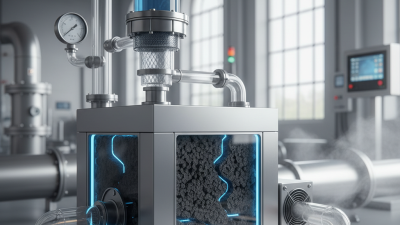
In recent years, the use of an Activated Carbon Adsorption Box has become crucial in various industries, particularly for air and water purification. According to a report by MarketsandMarkets, the activated carbon market is projected to reach USD 6.6 billion by 2025. This growth highlights the increasing demand for effective filtration technologies. Activated carbon has exceptional adsorption properties, enabling it to capture impurities, odors, and harmful chemicals efficiently.
However, challenges remain in ensuring optimal performance of filtration systems. Users often overlook maintenance, which can affect the efficacy of an Activated Carbon Adsorption Box. Regular monitoring and timely replacement of activated carbon are vital to maintain its filtering capabilities. Failure to do so can lead to reduced air quality and compromised filtration efficiency.
While the benefits of using an Activated Carbon Adsorption Box are evident, users must consider the environmental implications. The disposal of spent activated carbon needs careful management. Awareness of these environmental factors can help in making more responsible choices for filtration solutions. Adopting best practices ensures that the advantages of activated carbon technology are realized without adverse effects.
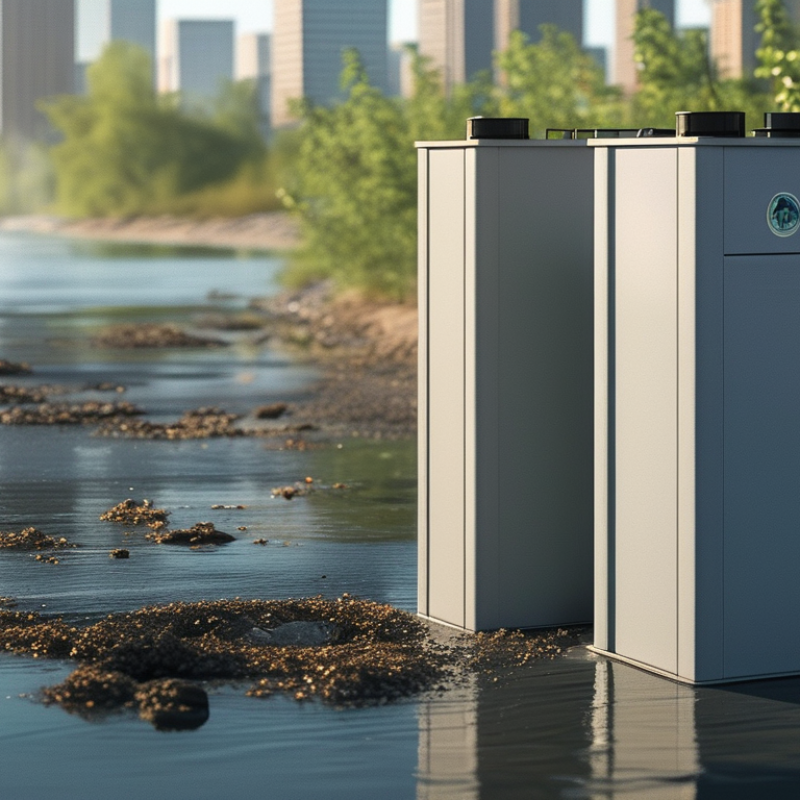
Understanding the Basics of Activated Carbon Adsorption Technology
Activated carbon adsorption technology offers a powerful solution for air and water purification. By employing a highly porous form of carbon, pollutants and impurities are effectively trapped. The mechanism relies on adsorption, where contaminants adhere to the carbon's surface. This method is recognized for removing volatile organic compounds (VOCs), odors, and harmful chemicals, making it valuable in various industries.
In a study by the American Chemical Society, activated carbon can remove up to 90% of certain contaminants from water. Its efficiency is evident, especially in treating industrial wastewater, where toxic substances are prevalent. A well-maintained activated carbon box can provide significant filtration benefits. Yet, improper usage can lead to saturation, reducing effectiveness. Regular monitoring and replacement are essential for optimal performance.
**Tip:** Always check the carbon filter's lifespan. Depending on usage, it may need replacement every 3 to 6 months.
Understanding the adsorption process can enhance filtration outcomes. Factors like temperature and humidity influence the effectiveness of activated carbon. For instance, higher temperatures may increase vapor pressure, affecting contaminant retention. Be cautious, as not all types of carbon are suitable for every application.
**Tip:** Test different carbon types to identify the most suitable for your specific needs.
Benefits of Using an Activated Carbon Adsorption Box for Filtration
Activated carbon adsorption boxes are becoming popular due to their effectiveness in filtration.
One key benefit is their ability to remove impurities from air and water.
Activated carbon has a large surface area. This means it can trap more contaminants than other materials.
From chemical particles to odors, activated carbon adsorbs a wide variety of substances.
Another significant advantage is the sustainability of activated carbon.
Unlike many filters, activated carbon can be recharged. This reduces waste and promotes eco-friendliness.
However, users should be aware that not all activated carbon is equal.
The quality can vary widely. It is essential to choose a reliable source for the best results.
It's also important to consider maintenance.
Activated carbon adsorbers need regular replacement.
Users might forget this and experience reduced effectiveness over time.
While these boxes can be effective, setting them up correctly is crucial.
Improper installation can lead to leaks or subpar performance.
Taking these factors into account can enhance the filtration process significantly.
Step-by-Step Guide to Setting Up Your Activated Carbon Adsorption Box
Setting up an activated carbon adsorption box is a practical solution for effective filtration. Begin by gathering your materials: an activated carbon filter, a suitable box, and the necessary tubing. Ensure that the box is clean and free from contaminants. This step is crucial for optimal performance. The choice of activated carbon is important as different types have varying absorption capacities.
Once you have your components, carefully insert the filter into the box. It's vital to create an airtight seal to prevent air leakage. Pay attention to how the carbon sits within the box; any gaps can reduce efficiency. After this, connect the tubing to ensure that air passes through the activated carbon properly. Regular inspections are needed to identify blockages or wear and tear.
Many users overlook the importance of maintenance. Changing the activated carbon regularly is essential for sustained filtration effectiveness. Over time, the carbon becomes saturated and loses its ability to filter toxins efficiently. Documenting your setup process can help you understand what works. Don't hesitate to adjust your method if issues arise. This task may feel overwhelming at times, but the reward of cleaner air is worth the effort.
Activated Carbon Adsorption Box Effectiveness
This bar chart illustrates the effectiveness rating of an Activated Carbon Adsorption Box in various filtration aspects. The effectiveness is rated on a scale of 1 to 10, covering air quality improvement, odor removal, chemical absorption, water filtration, and cost efficiency.
Maintenance Tips for Optimal Performance of Your Filtration System
Activated carbon adsorption boxes are effective for air and water filtration. However, proper maintenance is essential for their performance. According to the Environmental Protection Agency, a well-maintained filtration system can reduce contaminants by up to 90%. Regular inspections ensure optimal functioning and extend the lifespan of the filtration system.
Check the condition of the activated carbon regularly. Over time, carbon loses its adsorption capacity. Replace it according to the manufacturer's recommendations, usually every 6 to 12 months. Many users overlook this, leading to reduced effectiveness. A study from the Water Research Foundation indicates that used carbon can release absorbed contaminants back into the water, causing potential harm.
Cleaning the filters is another critical aspect. Dust and debris can accumulate, hindering airflow and filtration efficiency. Use a vacuum or brush to clean the exterior and interior components. Keep in mind that neglecting this aspect can introduce new pollutants. It is recommended to keep a maintenance log to track replacements and inspections. This practice enhances reliability and ensures that the filtration system continues to perform effectively. Regular monitoring and proactive maintenance are key to achieving optimal filtration outcomes.
Common Applications and Limitations of Activated Carbon Filtration
Activated carbon filtration is widely used in various industries. Its applications include air, water, and gas purification. Many rely on this technology for effective contaminant removal. Activated carbon adsorbs impurities, trapping them within its porous structure. This process helps in reducing unwanted odors and harmful substances.
Despite its advantages, activated carbon filtration has limitations. It may not capture all types of contaminants effectively. For example, heavy metals require different filtration methods. The lifespan of activated carbon is also a concern. Once saturated, its effectiveness decreases. Regularly monitoring its condition is crucial. Users must be aware of these shortcomings to optimize filtration performance.
In certain situations, combining methods may enhance effectiveness. Pairing activated carbon with other filtration systems could provide comprehensive purification. Testing and adjusting systems based on specific needs can lead to better outcomes. It is important to research and remain knowledgeable about filtration technology. Balancing these elements ensures users maximize their filtration efforts.
How to Use an Activated Carbon Adsorption Box for Effective Filtration? - Common Applications and Limitations of Activated Carbon Filtration
| Application |
Effectiveness |
Limitations |
| Air Purification |
Removes odors, smoke, and some VOCs |
Not effective for CO2 or particulate matter |
| Water Treatment |
Removes chlorine, sediment, and taste |
Limited effectiveness against heavy metals |
| Food & Beverage Processing |
Improves flavor and stability of products |
May require pre-treatment for efficiency |
| Industrial Applications |
Used in solvent recovery and gas treatment |
Potential fire hazard with certain solvents |