How to Choose the Right Acid Base Cabinet for Your Laboratory Needs?
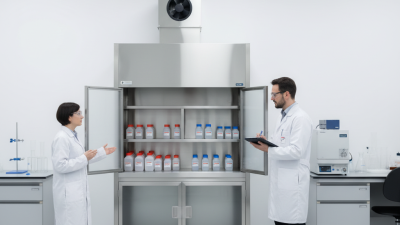
Choosing the right Acid-Base Cabinet for your laboratory is crucial. This decision impacts both safety and efficiency. In laboratories, acid-base cabinets are vital for storing corrosive substances securely. A well-designed cabinet protects the environment from harmful spills and vapors.
Many laboratories overlook their specific needs when selecting an acid-base cabinet. Consider factors like size, material, and ventilation. A cabinet must accommodate both the volume of chemicals and the type they store. For instance, corrosive acids require special materials that resist degradation.
Unfortunately, not all products claim to meet safety standards. Researching manufacturers and their certifications is essential for reliability. Consultation with experienced professionals can also guide your decision. After all, your laboratory's safety is paramount. Investing time in this selection process pays off, ensuring a safer working environment.

Factors to Consider When Selecting an Acid Base Cabinet
Choosing the right acid base cabinet is crucial for laboratory safety. Start by evaluating the materials used in the cabinet construction. The cabinet must be resistant to corrosion and chemicals. Often, steel or high-density polyethylene is preferred for durability. However, be aware that not all plastics are equal in performance under stress.
Next, consider the cabinet's size and capacity. A cabinet needs to fit your space without being overcrowded. Assess the volume and types of acid and base materials you will store. Overloading the cabinet can lead to spills. Think about future needs as well. An undersized cabinet may limit your research or experiment capabilities later on.
Ventilation is another key factor. Proper airflow prevents the buildup of harmful fumes. Look for cabinets with built-in exhaust systems if you work with volatile substances. Ensure they meet safety standards in your area. Be mindful that not all cabinets are created equal, and some may require modifications. Regularly revisiting your choice is important to ensure continued compliance with safety regulations.
Understanding Different Types of Acid Base Cabinets Available
When selecting an acid base cabinet, it's essential to understand the various types available. These cabinets come in different materials and designs.
Steel cabinets offer durability. They can withstand corrosion from harsh chemicals.
Polyethylene options provide lightweight alternatives. They resist impacts and are easy to clean.
There are cabinets specifically designed for flammable liquids. Others cater to corrosive substances. Each type serves a distinct purpose.
Consider the chemicals you will store. This will guide your choice.
Tips for choosing the right cabinet include checking for certification. Ensure it meets safety standards relevant to your laboratory.
Look for features like adjustable shelves. This adds flexibility for different container sizes.
Make sure the cabinet fits the available space. A well-organized lab enhances efficiency.
Evaluating Material Durability and Chemical Resistance
Choosing the right acid base cabinet is crucial for labs handling corrosive substances. Evaluating material durability and chemical resistance becomes essential in this decision-making process. Many laboratories utilize cabinets made from polypropylene or polyethylene. These materials exhibit excellent resistance against a variety of acids and bases, making them suitable for numerous applications.
According to data from industry reports, polypropylene can withstand up to 160°F with minimal degradation. This durability is vital in laboratories where temperature fluctuations are common. The cabinets’ resistance to chemical spills is another critical factor. A study indicated that polypropylene cabinets could resist harmful effects from concentrated sulfuric acid for extended periods.
However, not all materials are infallible. Under extreme conditions, even the best materials can fail. For instance, certain high concentrations of hydrochloric acid may degrade standard polyethylene over time. Evaluating the specific chemicals used in your lab is necessary. A careful analysis can ensure that your cabinet will perform reliably over time and under various conditions.
Assessing Size and Space Requirements for Laboratory Setup
Choosing the right acid base cabinet is crucial for your laboratory's efficiency. Start by assessing your size and space requirements. Consider the dimensions of your lab. Is there ample floor space to accommodate a cabinet? The width and height matter. Some laboratories have limited room. Fit is key for functionality.
Evaluate your storage needs as well. What types of chemicals will you store? Count the number of containers. Ensure the cabinet can accommodate them comfortably. A crowded cabinet can lead to safety hazards. Evaluate the layout of your lab too. Does the cabinet allow for easy access? If not, that can create workflow issues.
Sometimes, the ideal space isn't available. This can lead to compromises in safety and efficiency. Reflect on possible adjustments. Could you reorganize your laboratory setup? Every inch counts in smaller spaces. Designing your lab layout thoughtfully can enhance not just safety, but overall productivity. Remember, it's not just about fitting a cabinet in; it's about making it work for your unique requirements.
How to Choose the Right Acid Base Cabinet for Your Laboratory Needs? - Assessing Size and Space Requirements for Laboratory Setup
| Cabinet Type |
Dimensions (L x W x H) |
Weight Capacity |
Material |
Special Features |
| Standard Acid Base Cabinet |
48" x 24" x 36" |
500 lbs |
Steel with epoxy finish |
Ventilation System |
| Heavy-Duty Acid Base Cabinet |
60" x 30" x 36" |
1000 lbs |
Stainless Steel |
Double Doors with Locks |
| Compact Acid Base Cabinet |
36" x 24" x 30" |
300 lbs |
Polypropylene |
Chemical Resistant |
| Mobile Acid Base Cabinet |
48" x 30" x 36" |
400 lbs |
Steel |
Locking Wheels |
Safety Features and Compliance Standards for Acid Base Cabinets
When selecting an acid base cabinet, safety features must be a top priority. These cabinets should be constructed from materials that withstand corrosive substances. Look for models with double-walled designs that provide added strength. Ventilation systems are crucial. They should help to manage vapors safely. Ensure the cabinet has adjustable shelving for flexibility.
Compliance with safety standards is non-negotiable. Check if the cabinet adheres to local and international regulations. The National Fire Protection Association (NFPA) and Occupational Safety and Health Administration (OSHA) guidelines are important references. Many cabinets feature childproof locks and secondary containment to prevent leaks. Yet, not all cabinets meet these essential standards.
Choosing the right cabinet entails weighing safety against cost. Some budget options lack necessary features, leading to increased risk. It’s essential to have a cabinet that not only meets your immediate needs but also anticipates future challenges. Failure to do so could lead to compliance issues and safety hazards. Always consider the long-term implications of your choice.
Safety Features and Compliance Standards for Acid Base Cabinets
The following chart illustrates the various safety features and compliance standards for acid base cabinets commonly used in laboratories. The data reflects the percentage of laboratories that prioritize specific features when selecting acid base cabinets.