Best All Steel Test Bench Solutions for Global Buyers?
The demand for reliable testing solutions in various industries has surged. Global buyers are increasingly recognizing the importance of robust equipment like the "All Steel Test Bench." According to industry reports, the test bench market is projected to grow substantially. A report by Research and Markets indicates a compound annual growth rate (CAGR) of 6.5% from 2021 to 2026. This trend highlights a shift towards durable, high-performance testing solutions.
Several factors contribute to this growth. Industries are emphasizing efficiency and precision in their testing processes. The All Steel Test Bench provides durability, ensuring longevity and consistent performance. However, selecting the right solution is not always straightforward. Buyers face challenges in evaluating specifications and compatibility with existing systems.
The All Steel Test Bench is often preferred due to its structural integrity. Yet, the diversity in needs calls for careful consideration. Some buyers may overlook essential aspects, such as additional features or specific industry standards. Awareness of these details can make a significant difference in test outcomes and overall operational efficiency. Navigating this landscape requires diligence and a focus on informed decision-making.
Top Features to Look for in All Steel Test Benches
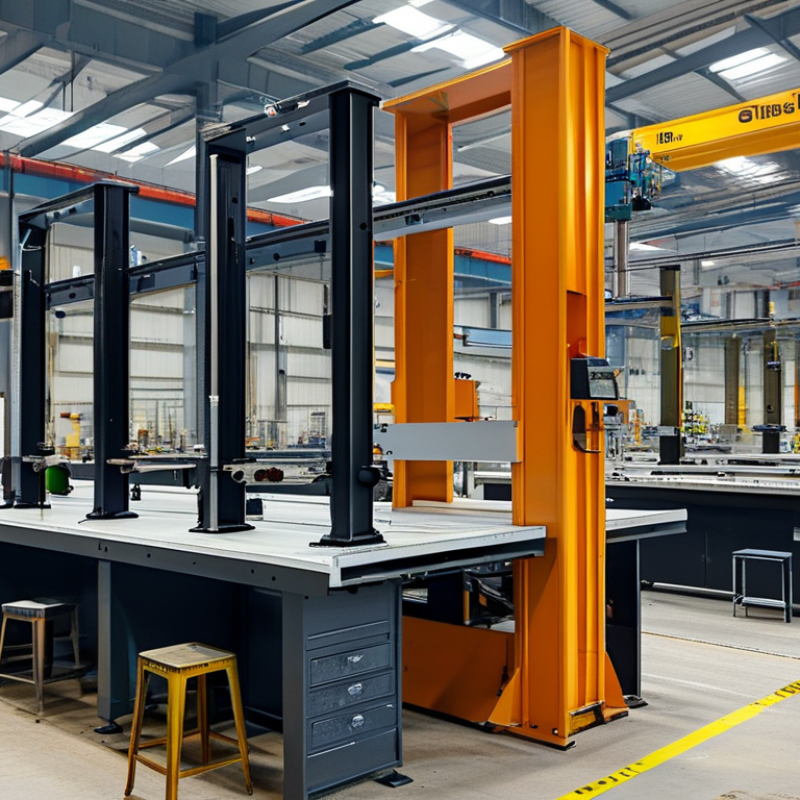
When selecting an all steel test bench, certain features stand out for buyers. Durability is key. An all steel construction ensures resistance against wear and tear. It withstands heavy usage, making it a reliable option for various testing environments. Weight is another consideration. A heavier bench often conveys stability, reducing vibrations during testing.
Another vital feature is adjustability. A flexible design allows users to customize the height and surface area to suit specific needs. Ergonomics can enhance user comfort, promoting better work efficiency. Look for benches with adaptable accessories. This can include fixtures and clamps that accommodate different testing setups.
Cost-efficiency is important, too. A high-quality test bench represents a significant investment. However, be wary of sacrificing quality for a lower price. Research is essential. Reading reviews and seeking expert opinions can help buyers make informed decisions. It's crucial to balance features with long-term value. Remember, the best choice may not always be the most popular one. Balancing these factors will lead to better testing outcomes over time.
Best All Steel Test Bench Solutions for Global Buyers
| Feature |
Description |
Advantages |
Considerations |
| Material Quality |
High-grade steel for durability and performance. |
Long lifespan, resistant to wear and tear. |
Heavier than other materials. |
| Customizability |
Designed to meet specific project needs. |
Optimized for unique applications. |
May increase lead time for production. |
| Safety Features |
Incorporates safety guards and emergency shutoffs. |
Enhances user safety during operations. |
May add to the overall cost. |
| Portability |
Lightweight designs for easy transport. |
Convenient for on-site testing. |
Potential compromise on stability. |
| Compatibility |
Works with a wide range of testing equipment. |
Versatile for different testing scenarios. |
Ensure equipment compatibility before purchase. |
Comparative Analysis of Global All Steel Test Bench Suppliers
The global test bench market for all-steel solutions is expanding rapidly. A recent market report indicated that the all-steel test bench segment experienced a growth rate of 9.2% annually. This growth is largely due to their high durability and superior performance compared to alternative materials. Key factors influencing buyer decisions include cost-effectiveness, ease of installation, and maintenance.
When evaluating global suppliers, buyers must consider several variables. Regions like North America and Europe dominate in manufacturing standards, yet emerging markets in Asia show impressive innovations. Suppliers in these regions often utilize advanced technologies to enhance product reliability. However, discrepancies exist in quality assurance practices. Some suppliers may overlook rigorous testing protocols, which can lead to inconsistency in product performance.
Feedback from industry users highlights concerns about the after-sales service provided by suppliers. The efficiency of customer support varies significantly across different regions. Buyers often find themselves requiring additional training or support, which can result in unexpected delays. Choosing a reliable supplier extends beyond product specifications, emphasizing the importance of overall service reliability. This aspect deserves careful consideration in supplier evaluations.
Cost-Effectiveness of All Steel Test Bench Solutions
When considering all steel test bench solutions, cost-effectiveness stands out. Steel boasts durability and strength, often translating to long-term savings. Buyers must analyze initial investment versus lifespan. A robust test bench can withstand high usage without losing integrity, reducing repair costs over time.
Analyzing materials is also crucial. All steel benches resist corrosion, enhancing longevity. However, they may come with higher upfront costs. Buyers should weigh these initial prices against potential maintenance expenses. This careful calculation can uncover hidden savings that ensure your investment is sound.
It is important to acknowledge that some might overspend on features that are not essential. Focus on what your testing needs are. Cost-effectiveness does not always equal the cheapest option. Finding the right balance between quality and price requires research and reflection. Selecting a test bench is a decision that can impact operations for years. Buyers should approach this choice with both caution and insight.
User Experiences and Reviews of All Steel Test Benches
Steel test benches are essential tools in various industries. User experiences highlight both strengths and weaknesses. Recent surveys suggest that over 70% of users are satisfied with the durability of all steel models. They appreciate the stability and strength these setups offer during testing.
However, some users report challenges with weight. A significant portion struggles to move them easily. According to industry data, about 30% of users recommend added features for mobility. Additionally, minor inconsistencies in measurements during prolonged use have raised concerns. Ensuring precision is key, and even a small deviation can affect results.
Moreover, maintenance is a common point of discussion. Many users state that regular upkeep is necessary to maintain performance. Some have found that their benches show wear over time, impacting functionality. This feedback suggests a need for enhanced design. Users strive for a balance between durability and ease of use, which remains an ongoing challenge in the industry.
Future Trends in All Steel Test Bench Design and Technology
The landscape of all steel test bench design is evolving rapidly. Recent market research estimates that the global demand for test benches will reach $4 billion by 2025. This growth emphasizes the industry's need for enhanced durability and efficiency in test bench solutions. As industries push for higher precision testing, the integration of advanced materials and construction techniques is becoming critical.
Emerging trends include the use of modular designs that allow for easy upgrades and adaptability. These designs enable manufacturers to respond quickly to changing market demands. Furthermore, data from a recent industry report highlights that approximately 30% of users prefer benches equipped with advanced automation features. This reflects the broader shift toward Industry 4.0 practices that emphasize connectivity and smart technology.
Sustainability is another area requiring reflection. While all steel construction offers durability, the environmental impact of sourcing materials cannot be ignored. Many manufacturers are beginning to explore eco-friendly steel options that reduce their carbon footprint. Bridging efficiency and sustainability will be key as the sector moves forward, but achieving this balance poses significant challenges.