What is an Anti-Static Workbench and Why Do You Need One?
In today's technology-driven world, maintaining the integrity of sensitive electronic components is vital. An Anti-Static Workbench is essential for any environment dealing with electronics. Static electricity can cause severe damage to delicate devices, resulting in costly repairs or replacements.
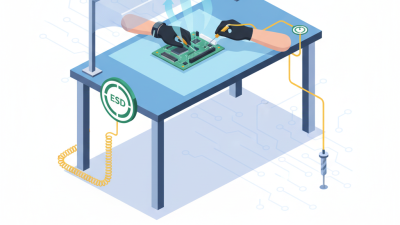
These workbenches are specially designed to dissipate static electricity, ensuring a safe workspace. They often feature grounding systems, anti-static mats, and tools that minimize static discharge. Investing in an Anti-Static Workbench can enhance product longevity and reliability.
Yet, not everyone realizes the importance of such equipment. Some may overlook or underestimate its necessity until it’s too late. It’s crucial to reflect on the potential risks involved in working without proper static control. A simple mistake could lead to significant losses, emphasizing the need for awareness and proper workspace setup.
What is an Anti-Static Workbench? Definition and Overview
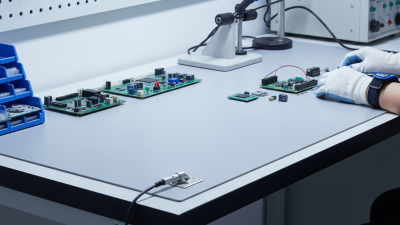
An anti-static workbench is a specialized surface designed to prevent static electricity buildup. Static charges can damage sensitive electronic components, making this type of workspace essential in electronics manufacturing and repair. Anti-static benches feature materials that dissipate electrical charges, ensuring a safer environment for delicate tasks. They are often grounded to redirect any stray charges harmlessly.
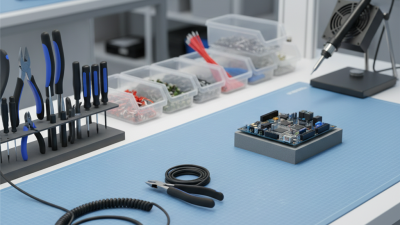
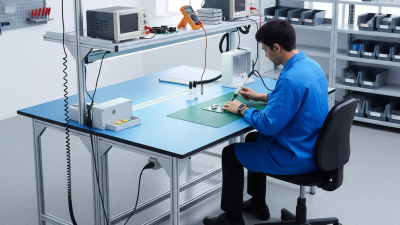
These workbenches often come equipped with several features. For instance, they may include anti-static mats and wrist straps, which help manage static discharge. The height and layout can be adjustable, catering to various user needs for comfort and efficiency. This adaptability aims to enhance productivity while reducing potential errors from static-related incidents.
However, not all users recognize the importance of such workspaces. Some might overlook the necessity of anti-static measures, believing that standard tables will suffice. This mindset can lead to costly mistakes, damaging valuable equipment. It's crucial to evaluate your workspace regularly and implement anti-static solutions where needed, promoting best practices in environments where electronic components are handled.
Key Features of Anti-Static Workbenches: Materials and Design
An anti-static workbench is designed to prevent static electricity buildup. This is crucial in electronics manufacturing and repair. Static discharge can damage sensitive components. Therefore, understanding the materials and design of these workbenches is essential.
The top surface of an anti-static workbench is often made from specialized materials like laminate or conductive vinyl. These materials help dissipate static charges safely. Additionally, grounded connections, such as wrist straps and mats, are integrated into the design. This helps further reduce the risk of electrostatic discharge, which can be detrimental to electronic devices.
Tip: When choosing an anti-static workbench, consider its layout. A spacious design maximizes efficiency. Ensure there are designated areas for tools and materials. This organization can help avoid mistakes and accidents.
It’s important to reflect on the maintenance required for anti-static workbenches. Regular checks on grounding connections are vital. Dust and debris accumulation can affect performance. This is an area many overlook, but it’s critical for safe operation. Having a cleaning routine can enhance longevity and effectiveness.
Anti-Static Workbench Features and Material Usage
The Importance of ESD Protection in Electronics Manufacturing
Static electricity can be detrimental in electronics manufacturing. A single electrostatic discharge (ESD) event can damage sensitive components. Reports indicate that ESD can result in over $5 billion in costs annually for the electronics industry due to lost productivity and failure rates. Protecting against ESD involves more than just grounding; it's a comprehensive approach that includes workspace design and materials.
An anti-static workbench plays a critical role. It provides a controlled environment where sensitive devices are handled safely. The use of anti-static mats and wrist straps can significantly reduce the risk of ESD incidents. Experts recommend that all workstations in electronics manufacturing should incorporate ESD protection measures. However, many manufacturers still overlook this aspect, often leading to costly mistakes.
Furthermore, employee training is crucial. Workers must understand the risks associated with static electricity. Despite this knowledge, statistics show that nearly 80% of workers are not adequately trained in ESD safety protocols. This gap highlights the importance of ongoing education in establishing a safer workplace. Addressing these needs can enhance both product quality and operational efficiency, reducing the need for costly rework and repairs.
What is an Anti-Static Workbench and Why Do You Need One? - The Importance of ESD Protection in Electronics Manufacturing
| Dimension |
Details |
| Surface Material |
Anti-static laminate |
| Grounding System |
Integrated grounding point |
| Dimensions |
60" x 30" or custom sizes |
| Weight Capacity |
Up to 500 lbs |
| Accessories Included |
Wrist strap, grounding cords |
| Typical Applications |
Electronics assembly, repairs |
| Maintenance Requirements |
Regular cleaning, checking grounding |
| Benefits |
Prevents static discharge damage, improves safety |
Industry Standards for Anti-Static Workspaces: ANSI/ESD S20.20
Industry standards for anti-static workspaces, particularly ANSI/ESD S20.20, highlight the necessity for proper electrostatic discharge (ESD) control in various environments.
The standards outline requirements for controlling static electricity that can harm sensitive electronic components. According to the ESD Association, nearly 30% of electronic failures are linked to ESD events.
Compliance with ANSI/ESD S20.20 ensures a structured approach to creating safe workspaces. This includes the use of anti-static mats, wrist straps, and grounded tools. Each of these components plays a crucial role in minimizing the risk of ESD damage. Moreover, the standard mandates regular evaluations of ESD control measures, which can be a challenge for many organizations. Companies often struggle to maintain these practices consistently.
Training employees on ESD awareness is also part of these standards. Many workers may not fully understand the implications of static electricity. Lack of training can lead to negligence, increasing the potential for costly errors. Despite the importance of ESD controls, some organizations fail to prioritize compliance, risking product quality and safety.
Benefits of Using an Anti-Static Workbench in Sensitive Equipment Repair
An anti-static workbench is essential for environments that deal with sensitive electronics. These benches help prevent electrostatic discharge (ESD), which can damage vital components. According to a report by the ESD Association, ESD is responsible for approximately 30% of all electronic failures. This figure highlights the urgent need for protective measures.
Using an anti-static workbench provides several benefits. The surface is often treated with conductive materials that ground static electricity safely. This reduces the risk of accidental discharges. Regular use of such benches can effectively lower the failure rates of sensitive equipment. Industry reports indicate that adopting ESD control measures can improve product reliability by up to 50%.
Yet, many workplaces neglect to implement these safety standards. Some technicians underestimate the risks associated with static electricity. Training staff on the importance of anti-static environments is crucial. Without proper education, even a grounded bench may not provide full protection. Reflecting on past mistakes can help organizations understand the critical nature of adopting adequate ESD controls.