Top Anti Static Workbench Solutions for Global Buyers?
In the fast-evolving world of electronics manufacturing, the importance of an Anti-Static Workbench cannot be overstated. These specialized workspaces protect sensitive components from electrostatic discharge (ESD), ensuring product quality and safety. As global buyers seek reliable solutions, a range of options emerges to cater to various needs.
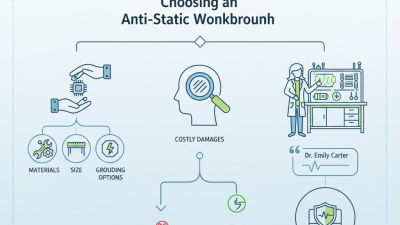
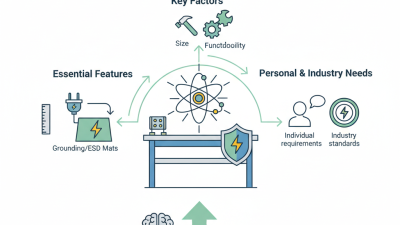
However, not all Anti-Static Workbenches are created equal. Factors such as material composition, grounding methods, and workspace accessibility should be considered when selecting the right option. Quality varies significantly among manufacturers, and it can be challenging to identify the best solution amidst a plethora of choices.
This landscape calls for careful evaluation. Buyers must weigh their specific requirements against available features while keeping budget constraints in mind. Ultimately, a thoughtful approach will lead to the best Anti-Static Workbench choice, balancing both functionality and investment.
Understanding Antistatic Workbench Solutions: An Overview
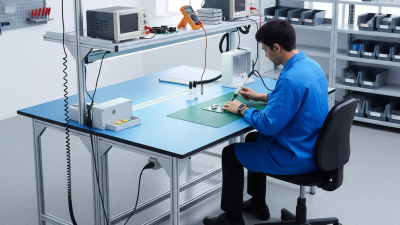
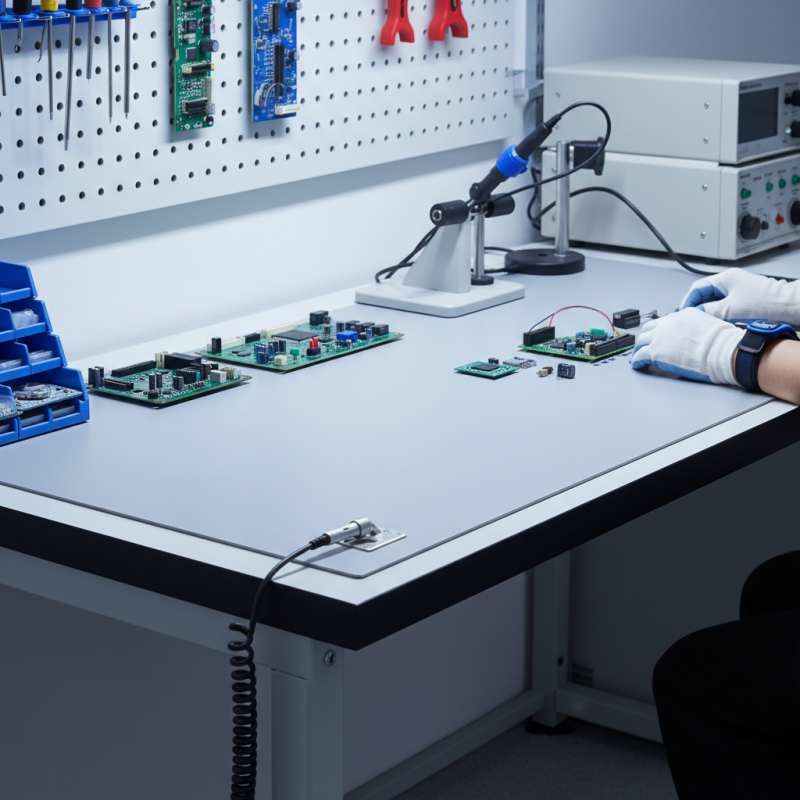
Antistatic workbench solutions are essential in many industries. They help prevent static electricity, ensuring a safe work environment. This is particularly important for electronics and sensitive components. A workbench with antistatic features can significantly reduce the risk of damage to these products.
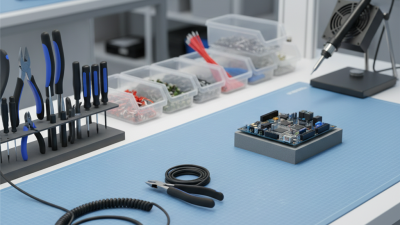
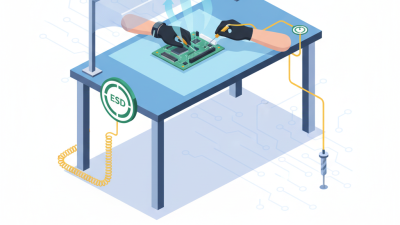
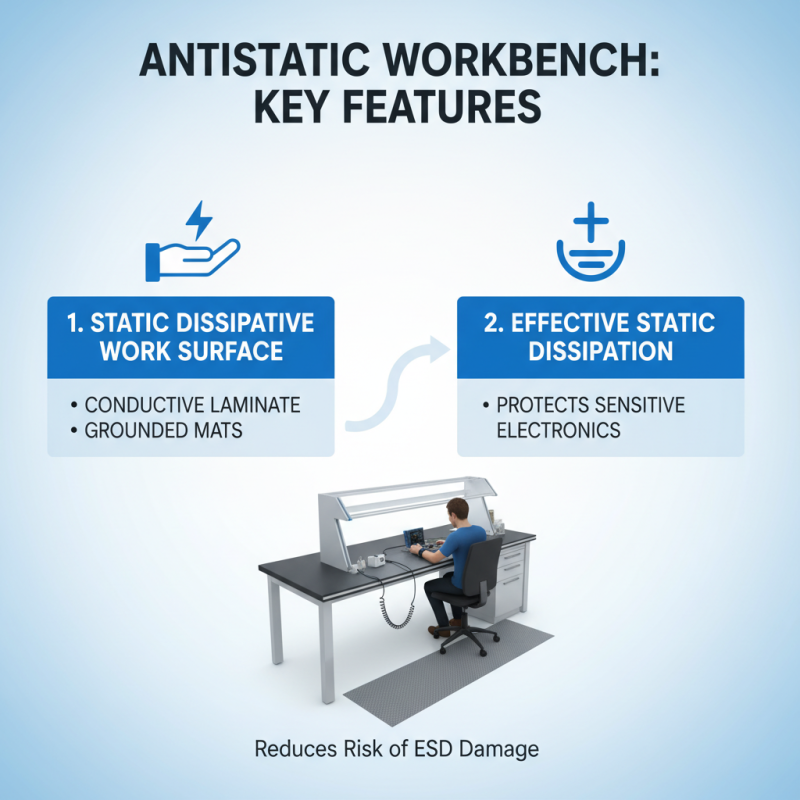
Understanding the different components of antistatic workbenches is key. They often include special materials for surfaces and grounding systems. Conductive mats, which can be placed on top of the work surface, help to dissipate static charges effectively. Some workbenches also come equipped with integrated grounding points. Proper grounding ensures that static electricity is directed away from sensitive items.
Although antistatic solutions are valuable, they are not foolproof. It's crucial to maintain these workspaces regularly. Dust and debris can accumulate and interfere with performance. It's also important to train staff on the proper use of these solutions. Many users overlook this step, leading to lapses in safety. A focus on education can enhance overall effectiveness.
Types of Antistatic Materials Used in Workbench Manufacturing
In the world of electronics, static electricity can disrupt operations. This makes anti-static workbenches essential. A variety of materials are used in their construction to prevent electrostatic discharge. Understanding these materials is crucial for choosing the right workbench.
One common material is static-dissipative laminate. This laminate has a surface that gradually discharges static electricity. It provides a balanced solution for sensitive components. Another option is ESD vinyl flooring. This flooring is designed to direct static charges safely away. It's often chosen for high-traffic areas.
Conductive mats are also prevalent. These mats absorb and dissipate static. They can be placed on top of surfaces for added protection. There are challenges, though. Regular maintenance is key to ensure effectiveness. It's important to monitor wear and tear over time. This helps maintain a reliable working environment.
Top Anti Static Workbench Solutions for Global Buyers
Top Global Manufacturers of Antistatic Workbench Systems
When looking for effective antistatic workbench solutions, the role of manufacturers is crucial. Global manufacturers focus on designing workbench systems that reduce static electricity. Their expertise lies in understanding the nuances of materials and environmental controls necessary to create a safe workspace.
The best manufacturers employ rigorous testing methods. They ensure that their workbenches can handle various electronics. Materials such as ESD-safe laminates and grounded surfaces are common. Yet, not all solutions are equally effective. Some may underestimate the importance of proper grounding, leading to potential static issues. This aspect needs careful evaluation when selecting a product.
Additionally, the field of antistatic workstations is evolving. Manufacturers continually innovate, adapting to new technologies and industry needs. However, with innovation comes a learning curve. Buyers must reflect on their specific needs and the manufacturers’ capabilities. Evaluating features critically can lead to better investment choices.
Top Anti Static Workbench Solutions for Global Buyers
| Model |
Dimensions (L x W x H) |
Work Surface Material |
Weight Capacity |
Features |
| Model A |
48" x 24" x 36" |
Laminate |
500 lbs |
ESD Mat, Adjustable Height |
| Model B |
60" x 30" x 36" |
Steel |
600 lbs |
Integrated Power Supply, ESD Safe |
| Model C |
72" x 30" x 36" |
Phenolic Resin |
800 lbs |
Heavy-Duty, Customization Options |
| Model D |
48" x 32" x 30" |
Wood |
400 lbs |
Portable, Lightweight |
| Model E |
60" x 24" x 34" |
Aluminum |
700 lbs |
Anti-Corrosive, Multipurpose |
Comparative Analysis of Antistatic Workbench Solutions by Region
In recent years, anti-static workbench solutions have gained popularity across various regions. Industries such as electronics manufacturing and semiconductor production heavily rely on these workspaces to mitigate static electricity. According to a recent study by a leading market research firm, the global anti-static workstation market is expected to grow by 8% annually through 2026. This growth reflects the increasing need for safe work environments in sectors sensitive to static discharge.
Regional differences in the adoption of anti-static workbench solutions can be significant. North America leads in market share, driven by stringent industry regulations and advanced technology. Europe shows a rising trend, emphasizing sustainability in material selection. Meanwhile, Asia-Pacific regions face challenges due to fluctuating economic conditions, leading to inconsistent investment in anti-static solutions. Reports indicate that over 40% of companies in Asia are unaware of the advantages of these workspaces.
**Tip:** Regular training for employees on handling sensitive components can enhance their effectiveness.
Evaluating the effectiveness of these workstations can be complex. While some solutions meet industry standards, others may lack robustness in specific applications. Manufacturers should not settle for generic offerings. Instead, they should evaluate unique needs and potential improvements for their specific environments.
**Tip:** Conduct periodic audits to assess current workbench efficiency and safety compliance.