How to Choose the Best Anti-Static Workbench for Your Needs?
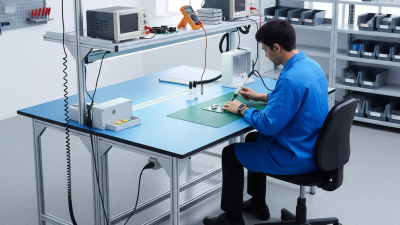
Selecting the best Anti-Static Workbench is crucial for ensuring safety and efficiency in any electronics workspace. An effective workbench minimizes static electricity, which can damage sensitive components. Understanding your specific needs will guide this selection process.
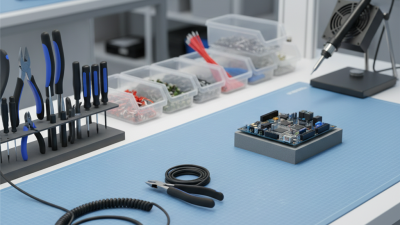
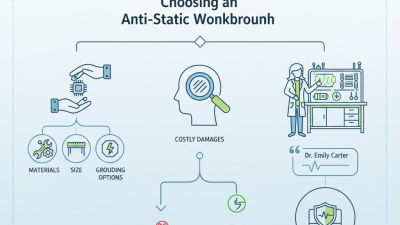
Consider key factors like size, material, and functionality. A well-chosen Anti-Static Workbench should support various tasks, from assembly to testing. Durability is essential; you want a workbench that withstands daily use and maintains its effectiveness. Features like grounding options and ESD mats enhance protection against static discharge.
However, it's essential to reflect on individual requirements. Not every workspace is the same, and what works for one may not suit another. Balancing personal preferences with industry standards can be challenging. Take time to evaluate available options carefully. A thoughtful choice can significantly impact your productivity and safety in the long run.

Understanding the Importance of Anti-Static Workbenches in ESD Control
Anti-static workbenches play a crucial role in ESD control. These benches reduce the risk of electrostatic discharge, which can damage sensitive electronic components. According to IPC-1601, around 70% of electronic failures are linked to ESD. This figure emphasizes the need for reliable work surfaces in electronics manufacturing and repair. Many industries, including aerospace and healthcare, prioritize anti-static solutions to protect their investments.
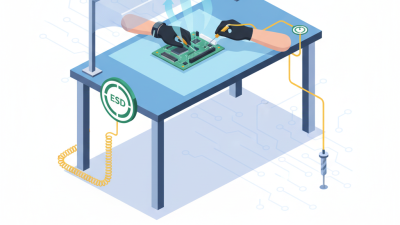
These workbenches are designed with materials that prevent static buildup. Grounding systems are implemented to divert any static charges safely. A study by the ESD Association highlights that effective ESD control can reduce product failure rates by up to 90%. This statistic is critical for businesses that rely on electronic devices. Understanding the construction and features of these benches is vital for ensuring adequate protection.
Choosing the right anti-static workbench is not just a matter of preference. The potential for losses due to ESD-related failures can be significant. It’s essential to consider workspace size, materials used, and grounding methods. Mistakes in selecting equipment may lead to inefficiencies. Assessing specific needs can help alleviate risks associated with ESD. Investing in quality anti-static solutions is paramount for maintaining integrity in sensitive environments.
Identifying Your Specific Needs for an Anti-Static Workbench
When selecting an anti-static workbench, identifying your specific needs is crucial. Consider the tasks you perform daily. Do you handle delicate electronics? A higher surface resistance may be required. Assess the types of materials you work with. Different materials can affect static generation. Understanding these variables can influence the design and features you choose.
Size is another factor to think about. A compact space might limit options, while a larger area offers flexibility. The weight capacity of your workbench is also pertinent. Overloading it could lead to equipment failure. Additionally, think about noise levels. A workspace that’s too loud can affect focus. You're creating an environment that encourages precision.
Remember to evaluate additional features. Some workbenches offer built-in power supplies or modular components. These can enhance functionality but may not be necessary for everyone. Take time to reflect on what truly matches your workflow. Finding the right balance can prevent future frustrations. The wrong choice can hinder efficiency and lead to dissatisfaction in your workspace.
Key Features to Look for in an Anti-Static Workbench
Choosing an anti-static workbench can be a daunting task. Start by considering the surface material. Conductive or dissipative surfaces provide essential protection against static electricity. Look for materials that meet industry standards. These surfaces help prevent damage to sensitive electronic components. The durability of the workbench is also key. A sturdy frame ensures stability during use. A wobbly bench can lead to accidents and damage.
Next, consider the design and layout. A workbench with adjustable height can accommodate various users. This flexibility enhances comfort and reduces strain. Another aspect to evaluate is storage solutions. Drawers or shelves can help keep tools organized. However, avoid clutter that can create hazards. Additional features, like grounding points, are important. They ensure that static can properly dissipate, providing a safer workspace.
Pay attention to the size of the workbench. It should fit your workspace without overwhelming it. An overly large bench can feel cramped. Lastly, think about ease of cleaning. A smooth surface is easier to maintain. Static control is important, but keeping the area tidy matters too. Reflect on your specific needs and challenges. This will guide you to the best choice for your situation.
Comparing Materials and Designs for Optimal ESD Protection
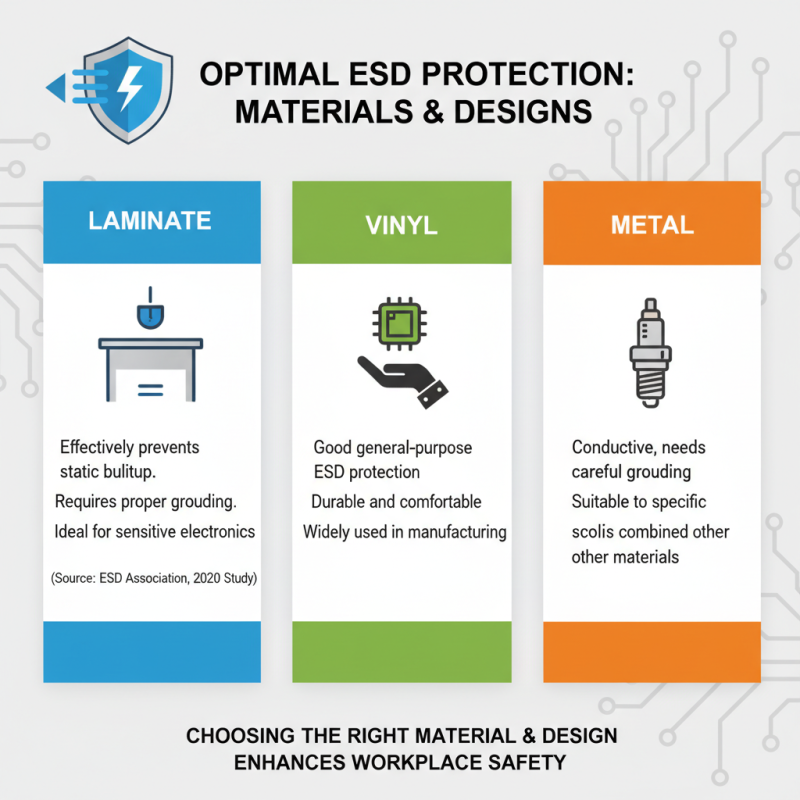
Choosing an anti-static workbench involves careful consideration of materials and designs for optimal Electrostatic Discharge (ESD) protection. Various materials, such as laminate, vinyl, and metal, can provide different levels of ESD shielding. A 2020 study by the ESD Association revealed that laminate surfaces could effectively prevent static buildup when properly grounded. This prevents damage to sensitive electronic components and enhances overall workplace safety.
The design of the workbench also plays a critical role in ESD protection. A workbench with a grounding system rooted in metals shows higher efficacy in dissipating static charges. According to a report from IPC, 30% of electronic failures trace back to ESD issues. This emphasizes the importance of not just the material but also the integration of grounding systems. Observing pros and cons is crucial; while metal surfaces are durable, they may not provide sufficient insulation when grounding fails.
Color also factors into workstation design related to ESD. For example, lighter colors may reveal dust more clearly than darker ones, affecting workplace cleanliness. Consider your specific requirements and reflect on how these factors align with your workplace needs. Inadequate grounding or material choice can lead to costly errors. Therefore, thorough evaluation of these elements is essential for a safe and efficient workspace.
Evaluating Cost vs. Value When Choosing an Anti-Static Workbench
When selecting the right anti-static workbench, understanding cost vs. value is crucial. The initial price might seem appealing, but it's important to consider longevity and safety features. A cheaper option may lack comprehensive grounding or durable materials, leading to higher replacement costs and potential hazards.
Tips: Assess not only the price tag but how often you'll need to replace components. Quality materials can reduce the need for repairs, making a higher upfront cost more economical over time. Look for a workbench that meets industry standards for electrostatic discharge (ESD) protection.
Evaluate your specific needs. Specialized features, like modular designs or adjustable heights, may come at a premium. However, if they enhance productivity, their value can surpass their cost. Sometimes, spending more on a versatile workbench can save you money on other equipment.
Tips: Consider the workbench's weight capacity. Overloading a less sturdy table can lead to accidents and damage. Take time to weigh the features and benefits against your budget to avoid costly mistakes. It's not always about upfront costs; it's about the long-term investment in safety and efficiency.