Centrifugal Fan Buying Guide What You Need to Know?
Centrifugal fans are vital in various industries, providing efficient air movement and cooling solutions. According to a recent report by the Global Ventilation Equipment Market Research Institute, the centrifugal fan market is projected to grow by 4.5% annually. This growth indicates a rising demand for these fans due to their energy efficiency and versatility.
Industry expert Dr. John Stevens, a recognized engineer in fan technology, states, “Choosing the right centrifugal fan is crucial for optimizing system performance.” His insight emphasizes the importance of understanding the specific requirements for fan selection. Potential buyers must consider factors like airflow, pressure, and energy consumption.
Despite the potential benefits of centrifugal fans, many buyers struggle with selection. They may overlook critical details, such as noise levels or material compatibility. One must reflect on the intended application and operational environment. Making informed choices can prevent inefficiencies and costly mistakes. Knowing what to look for can lead to significant improvements in system functionality.

Understanding the Basics of Centrifugal Fans: Definitions and Types
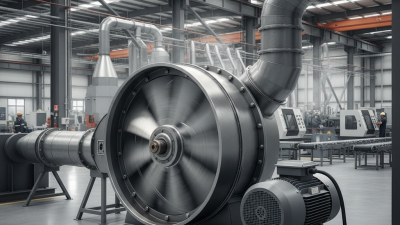
Centrifugal fans play a vital role in various industries, providing efficient airflow solutions. Understanding their definitions and types can help you make informed decisions. Centrifugal fans, also known as blowers, utilize rotational energy to move air. Their design influences performance, with key metrics like airflow rates and pressure capabilities determining suitability for specific applications.
There are several types of centrifugal fans, including backward curved, forward curved, and radial types. Backward curved fans are efficient for high static pressures. They are commonly used in HVAC systems. Forward curved fans are more compact and suitable for smaller spaces. Radial fans are known for their robustness, making them ideal for industrial applications.
Tips: When selecting a centrifugal fan, consider the application requirements. Assess airflow, static pressure, and noise levels. Indoor environments may demand quieter options, while industrial settings could prioritize durability. Review industry reports to understand performance benchmarks. Always consult with experts to ensure the chosen fan meets operational needs.
Key Specifications to Consider When Choosing a Centrifugal Fan
When selecting a centrifugal fan, several key specifications are essential for optimal performance. Airflow capacity is paramount. It determines how much air the fan can move within a given timeframe. You should match the fan’s capacity to your specific needs. Too much airflow is wasteful, while too little may hinder performance.
Static pressure rating is another critical factor. This rating measures the fan's ability to overcome resistance in duct systems. It is vital in applications where airflow must navigate complex paths. Ensuring your fan's rating aligns with the system’s requirements can enhance efficiency. However, incorrectly chosen fans can lead to lower performance and energy inefficiencies.
Noise level also deserves attention. Some users may overlook this, believing it doesn't matter. In quieter environments, excessive noise can be disruptive. Checking the decibel rating allows you to gauge the fan's operational sound. Properly informed choices mitigate future regrets regarding performance and comfort. These details can significantly impact the fan’s effectiveness and user satisfaction in practice.
Performance Factors: Airflow, Pressure, and Efficiency Ratings
When selecting a centrifugal fan, understanding performance factors is crucial. Airflow, pressure, and efficiency ratings define how well the fan operates. Airflow is measured in cubic feet per minute (CFM) and indicates the volume of air the fan can move. High CFM is vital for large spaces. However, it’s essential to balance this with the necessary pressure.
Pressure affects how effectively air moves through a system. This is often measured in inches of water gauge. A fan with high pressure can overcome resistance in ducts. Look for fans with ample static pressure ratings when dealing with longer duct runs. Remember, more pressure might mean less airflow, so there’s a trade-off.
Efficiency ratings are often overlooked. A fan with higher efficiency consumes less energy for the same output level. This can lead to lower operating costs. However, achieving high efficiency may require a more significant upfront investment.
Tips: Always check the fan’s specifications for real-world performance data. Don’t solely rely on manufacturer claims. Consider conducting a performance analysis based on your specific setup. Keep in mind that adjustments might be needed after installation. Small modifications can lead to better efficiency or airflow improvement.
Centrifugal Fan Performance Factors
| Model |
Airflow (CFM) |
Static Pressure (inches WG) |
Efficiency Rating (CIH) |
| Model A |
3500 |
5.0 |
70 |
| Model B |
4200 |
4.5 |
75 |
| Model C |
3000 |
6.0 |
68 |
| Model D |
3800 |
5.5 |
72 |
| Model E |
4500 |
4.0 |
78 |
Common Applications of Centrifugal Fans in Various Industries
Centrifugal fans are widely used across various industries for their efficiency in moving large volumes of air. In the HVAC sector, they help regulate temperature and maintain air quality. According to a report by the Global Ventilation Systems Market, all HVAC systems will use centrifugal fans to improve energy efficiency. In 2021, digital HVAC systems accounted for nearly 35% of the total market, showing the growing reliance on effective airflow management solutions.
In manufacturing, these fans play a critical role in dust and fume extraction. Industries like woodworking and metalworking, which generate toxic particles, benefit from robust centrifugal fans. A study from the Industrial Health Association shows a 20% reduction in airborne contaminants with the proper fan installation. This application not only promotes a safer work environment but also ensures compliance with health regulations.
Food processing also heavily relies on centrifugal fans. They assist in drying, cooling, and maintaining hygiene standards. A report from the Food Safety Institute highlighted that 75% of food production facilities have implemented improved air circulation for better product preservation. In this sector, even slight inefficiencies can lead to spoilage or contamination, making fan selection crucial. This underlines the importance of considering specific application needs when purchasing centrifugal fans.
Maintenance and Troubleshooting Tips for Optimal Fan Performance
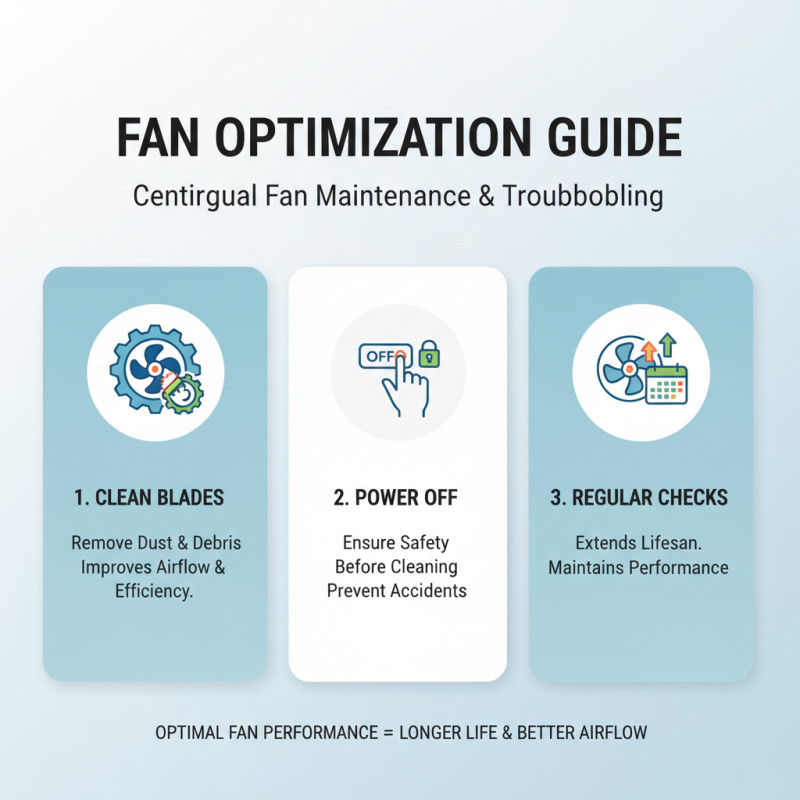
Centrifugal fans play a crucial role in various applications, from industrial settings to residential units. To keep your fan running optimally, regular maintenance is necessary. This includes checking the fan's blades for dust and debris, as buildup can impair airflow. Clean blades improve efficiency and extend the fan's lifespan. Always turn off the power before cleaning to ensure safety.
Troubleshooting is vital when issues arise. Listen for unusual noises, which may indicate wear or imbalance. If the fan vibrates excessively, it could be misaligned. A simple adjustment can often resolve this. Inspect the motor bearings periodically; lubricating them can prevent overheating and failure. Remember that ignoring small problems can lead to larger, more expensive repairs. Regular check-ups create a reliable fan performance, enhancing productivity and comfort in your space.