How to Choose the Best Ultra Clean Workbench for Your Needs?
Selecting the right Ultra Clean Workbench is crucial for ensuring a contamination-free environment. Industries such as pharmaceuticals and electronics demand high standards for cleanliness. According to a recent report by the International Journal of Cleanroom Technology, over 70% of contamination in laboratories comes from inadequate work surfaces. This statistic highlights the importance of choosing the right workbench.
When considering an Ultra Clean Workbench, several factors come into play. The design, materials used, and airflow systems are vital. The Cleanroom Institute indicates that a well-designed workbench can reduce airborne particles by 50%. This reduction is essential for maintaining the integrity of sensitive processes. However, not all workbenches meet these standards.
Still, there is a challenge. Many products on the market do not offer complete transparency regarding their cleanliness certification. This lack of information can lead to decision-making that may not align with your specific needs. Thorough research is essential. Look for options from reputable manufacturers with proven track records in providing quality Ultra Clean Workbenches. Choose wisely to protect your operations and ensure optimal results.
How Ultra Clean Workbenches Differ from Standard Workbenches
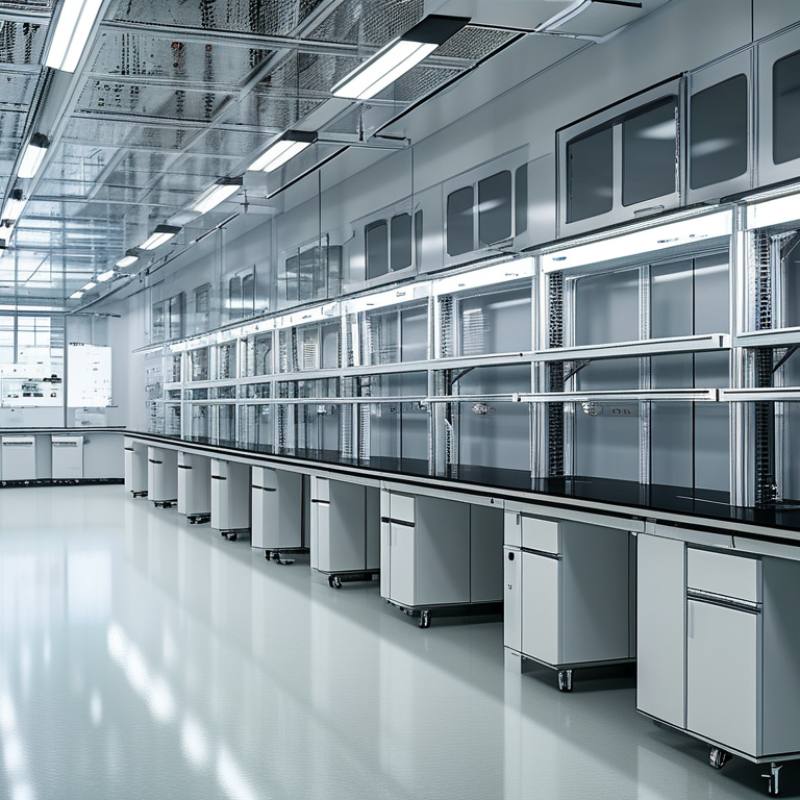
Ultra clean workbenches are vital in environments where contamination control is critical. Unlike standard workbenches, they feature smooth surfaces and sealed edges. These characteristics reduce dust accumulation and facilitate easy cleaning. Ultra clean workbenches often include integrated ventilation systems. This helps to maintain a controlled atmosphere, essential for sensitive operations.
The materials used in ultra clean workbenches differ significantly from standard ones. For instance, they often utilize stainless steel or specialized polymers. These materials resist corrosion and other forms of contamination. The design also emphasizes seamless joinery, preventing particle build-up. However, it's important to consider maintenance; improper care can still lead to contamination issues.
While ultra clean workbenches offer many benefits, they can also present challenges. For example, their higher cost might not suit all budgets. Additionally, they require diligent upkeep to retain their effectiveness. Operators must understand these aspects to make informed decisions. Balancing functionality with practicality is key for optimal use.
Key Factors to Consider for Selecting an Ultra Clean Workbench
When selecting an ultra clean workbench, paying attention to key factors is essential. Space is one of the first considerations. The size of your workspace may dictate the type and dimensions of the bench. A compact bench may be perfect for small labs, while larger operations require expansive work areas. Think about the layout and how it will impact workflow.
Material choice is crucial as well. High-quality materials that resist contaminants are vital. Stainless steel and specialized polymers can provide durability. They prevent bacteria buildup, which is critical in ultra clean environments. Consider the surfaces that will hold chemicals or tools. Easy-to-clean surfaces can save time and enhance safety.
It’s also important to evaluate customization options. Some workbenches allow for added features like adjustable heights or built-in storage. However, too many options can complicate the decision. Focus on what truly enhances your work process. Balancing functionality and simplicity is key. Be mindful of the balance between quality and cost; sometimes the cheapest option isn’t the best for long-term needs.
Industry Standards for Ultra Clean Workbenches: Understanding Class Ratings
When selecting an ultra clean workbench, understanding class ratings is crucial. These ratings indicate the cleanliness level within the workspace. Common classifications include Class 100, Class 10,000, and Class 100,000. A Class 100 bench limits particles to 100 per cubic foot. Such precision is vital in industries like semiconductor manufacturing and pharmaceuticals. Reports suggest that even minor contamination can result in significant yield losses.
Tips: Always verify the specifications when purchasing. Not all workbenches labeled for cleanliness meet industry standards.
Factors affecting class ratings include airflow speed and filtration system quality. A high-efficiency particulate air (HEPA) filter captures particles down to 0.3 microns. Stability in airflow ensures that contaminants do not settle. Balancing productivity with cleanliness is essential, as stricter standards may slow down operations.
Tips: Regular maintenance of the ventilation system is important. Neglecting this can lead to elevated contamination levels. Always compare performance data from multiple sources for best results.
Materials Used in Ultra Clean Workbenches and Their Impact on Cleanliness
When selecting an ultra clean workbench, the materials used significantly affect cleanliness. Common choices include epoxy resin, stainless steel, and laminate surfaces. For example, epoxy resin is highly resistant to chemicals and can be easily sanitized. Stainless steel is non-porous, reducing the likelihood of contamination. Research shows that surfaces like these can reduce microbial growth by up to 99% in controlled environments.
Choosing the right material ensures that your workspace remains compliant with strict cleanliness standards. Chemical resistance is crucial, especially in laboratories. Note that some materials can degrade under specific conditions. Always account for the intended use when selecting materials.
Tips: Opt for surfaces that are non-porous for easy cleaning. Consider the durability and chemical resistance of each material. Regular maintenance helps maintain the integrity of the workbench. Addressing wear and tear early can prevent potential contamination.
How to Choose the Best Ultra Clean Workbench for Your Needs?
| Material |
Impact on Cleanliness |
Durability |
Cost Level |
Maintenance Requirements |
| Stainless Steel |
Highly resistant to contamination and easy to clean. |
Very durable, corrosion-resistant. |
Mid to high range. |
Low maintenance, needs regular cleaning. |
| Laminate |
Good for light applications, but can harbor bacteria. |
Moderately durable, susceptible to scratches. |
Low to mid range. |
Requires regular cleaning and inspections. |
| Epoxy Resin |
Highly resistant to spills and contamination. |
Very durable, resistant to chemical damage. |
Mid to high range. |
Low maintenance, easy to clean. |
| Aluminum |
Good cleanliness properties with simple surface finish. |
Moderately durable, lightweight. |
Mid range. |
Easy to clean, low maintenance. |
Cost Analysis: Budgeting for Your Ultra Clean Workbench Investment
Investing in an ultra clean workbench involves careful cost analysis. Start by determining your budget. Prices vary widely based on design, size, and materials. High-end options offer specialized features but can strain finances. Consider whether these features are truly necessary for your work.
Factor in additional costs. Shipping fees and installation can add up quickly. Maintenance expenses should also be on your radar. Regular cleaning and potential repairs demand time and money. Will you have resources to keep the workspace maintained?
Lastly, think about the long-term benefits. A quality workbench can enhance productivity and safety. That said, it’s essential to reflect on its true value for your specific needs. Balancing cost with necessity ensures you make a well-informed decision.