2026 How to Create an Effective Anti-Static Workbench?
An Anti-Static Workbench is essential for electronics and sensitive components. The increasing reliance on technology makes it necessary to protect delicate equipment from static damage. Static electricity can disrupt circuits and cause data corruption.
Creating an effective Anti-Static Workbench involves several key elements. These include selecting proper materials, grounding systems, and protective equipment. Using anti-static mats and wrist straps can mitigate risks significantly. However, it's vital to remember that these measures require regular maintenance and testing.
The process may not be straightforward. Misinformation and assumptions can lead to ineffective setups. Evaluating your current workspace critically is necessary. Mistakes can happen, and learning from them is part of improvement. Reflecting on these challenges is crucial for developing a reliable Anti-Static Workbench.
Understanding the Importance of Anti-Static Workbenches in Electronics
Anti-static workbenches play a crucial role in electronics. These specialized surfaces help protect sensitive components from electrostatic discharge (ESD). ESD can damage or destroy electronic parts. This is a major concern in modern electronics manufacturing.
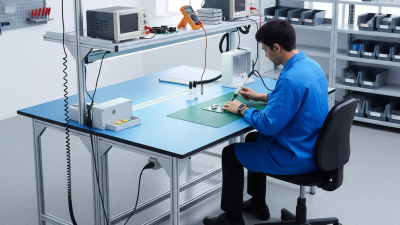
An effective anti-static workbench must have several features. It should include an ESD-safe mat, grounding points, and proper lighting. The mat material is essential; it absorbs static charges effectively. Grounding points ensure that any static electricity is safely dissipated. Proper lighting helps prevent errors during assembly.
However, creating these workbenches requires careful planning. Not every workspace suits every task. Some benches may be too small, while others are poorly equipped. It’s essential to evaluate the workspace needs first. Regular maintenance of anti-static surfaces is also essential. Over time, wear and tear can diminish their effectiveness.
Essential Components of an Effective Anti-Static Workbench Setup
Creating an effective anti-static workbench requires careful planning. It’s essential to include specific components that minimize static electricity. Conductive mats are a must-have. These mats dissipate static charges and protect sensitive electronic components. Ensure the mat covers the entire workspace.
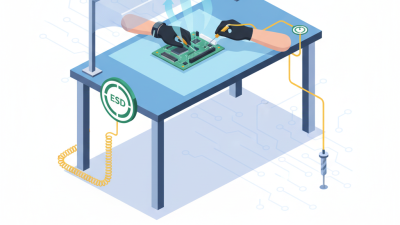
Grounding is another vital aspect. Use grounding cables that connect the workbench to a reliable ground. This step is critical in preventing any build-up of static electricity. Additionally, consider the chair and other surfaces. They should also be made of anti-static materials.
Organization plays a crucial role. Keep tools and components in designated areas. This helps avoid clutter and potential static build-up from various materials. Regularly assess your workbench setup. Reflect on its efficiency and make changes when needed. A functional anti-static workstation not only protects your work but enhances overall productivity.
Essential Components of an Effective Anti-Static Workbench Setup
Step-by-Step Guide to Designing Your Anti-Static Workbench
Creating an effective anti-static workbench is crucial in electronics assembly. Research from IPC Association indicates that improper grounding can lead to significant equipment damage. A well-designed workbench minimizes these risks.
Begin by choosing the right materials. Conductive mats can prevent static build-up. These mats should meet the standards set by the ESD Association, which recommends a resistance of 1 MΩ to 10 MΩ. A grounded wrist strap is essential too. It ensures technicians are at the same electrical potential as the equipment they handle.
Layout matters significantly. Your workbench should have clearly defined areas for tools and components. A cluttered space increases the risk of accidents. Keep ESD-sensitive items in designated containers. Regular inspections can help identify wear on mats and straps, ensuring ongoing effectiveness. The goal is to create a safe environment that promotes efficiency and reduces errors.
Best Practices for Maintaining Anti-Static Workbench Efficiency
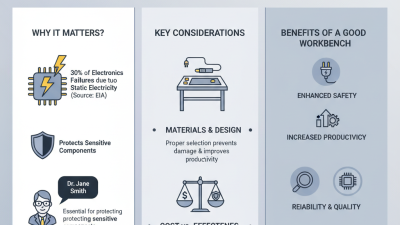
Creating an effective anti-static workbench is crucial for electronics assembly and maintenance. Research indicates that over 30% of electronic failures are due to electrostatic discharge (ESD). Therefore, maintaining an efficient anti-static environment is essential.
To enhance your workbench, consider using ESD mats. These mats reduce static build-up and protect sensitive components. Regularly inspecting and replacing worn-out mats can significantly improve efficacy. According to the ESD Association, an adequate ESD control program can reduce the risk of damage by up to 90%.
Tip: Maintain humidity levels between 30-50% to minimize static charge. This simple adjustment can greatly enhance the performance of your workbench.
Another essential aspect is grounding. Each component should be grounded effectively. A common oversight is failing to connect all devices to the ground. This can create discomfort and increase risks.
Tip: Use anti-static wrist straps while working. These straps ensure a continuous static dissipation path and minimize the risk of damage.
Keeping your anti-static workbench clean also helps. Dust and debris can accumulate static; therefore, regular cleaning is vital. Simple practices like using an ionizing blower can help maintain a static-free environment.
Choosing the Right Materials and Tools for Anti-Static Workstations
Creating an effective anti-static workstation requires careful selection of materials and tools. Anti-static surfaces are crucial for protecting sensitive electronic components. Use materials like dissipative mats or conductive work surfaces. These materials help divert static electricity safely and effectively.
In terms of tools, grounding devices are essential. Grounding cables should connect workbench surfaces and tools to a reliable ground source. Static-safe wrist straps are often overlooked but can reduce the risk significantly. Ensure that all tools have anti-static features, like ESD-safe tweezers or pliers.
Designing this space offers challenges. Many professionals neglect proper grounding, leading to potential failures. Regularly inspect components and maintain cleanliness to prevent dust buildup. Keeping an organized workspace enhances focus and efficiency, but it can easily become cluttered. Balancing organization with functionality often requires ongoing effort and reflection.
2026 How to Create an Effective Anti-Static Workbench?
| Material Type |
Description |
Static Dissipation Properties |
Recommended Tools |
| ESD Mat |
Anti-static mat that absorbs static charges. |
10^6 to 10^9 ohms resistance. |
Grounding cords, ESD wrist straps. |
| ESD Chair |
Chair designed with ESD-safe materials. |
Maintains low resistivity to prevent static. |
None required. |
| Grounding Straps |
Wrist or ankle straps that connect to a ground point. |
Provides a path for static discharge. |
Various monitor setups, soldering stations. |
| Anti-Static Bins |
Containers to store components safely. |
Helps minimize accidental static buildup. |
Storage racks or shelving units. |
| ESD Flooring |
Specialized flooring to dissipate static. |
10^4 to 10^6 ohms resistance. |
None required. |