Leave Your Message

How to Choose the Right Centrifugal Fan?

Choosing the right Centrifugal Fan is an engineering decision, not a catalog exercise. Airflow, pressure, temperature, noise, efficiency, and space must work together. A fan that delivers 20,000 cubic meters per hour may fail if its pressure rating is too low. It may also waste energy when operated far from its best efficiency point. Small details matter. Duct elbows, filters, dampers, and dirty coils can reshape the system curve.

The U.S. Department of Energy’s Improving Fan System Performance: A Sourcebook for Industry reports that fan systems can offer meaningful energy-saving opportunities through better sizing, controls, maintenance, and reduced system resistance. Its guidance repeatedly stresses system-level evaluation. The International Energy Agency also identifies motor-driven systems as major electricity consumers worldwide, making fan efficiency a practical operating concern. For performance verification, AMCA Standard 210 and ISO 5801 provide recognized methods for measuring airflow, pressure, power, and efficiency. These references strengthen a selection process, but they do not replace field judgment.

A reliable choice starts with measured operating conditions. Record the required airflow, static pressure, air density, temperature, duty cycle, and available power supply. Check the manufacturer’s certified performance data, not only the maximum airflow figure. Consider direct drive or belt drive, corrosion exposure, acoustic limits, service access, and variable-frequency control. A checklist can still miss reality. Dust builds up. Filters load. Operators change settings. Therefore, this guide connects technical data with practical installation experience, helping engineers compare fan curves, lifecycle cost, compliance requirements, and long-term reliability before purchase.
How to Choose the Right Centrifugal Fan?

Define the Airflow and Pressure Requirements

How to Choose the Right Centrifugal Fan?

Define the Airflow and Pressure Requirements

Start with the duty point, not the fan size. Airflow should reflect the required ventilation, cooling, or exhaust volume under real operating conditions. List the system resistance in detail: ductwork, bends, filters, coils, dampers, and discharge louvers. ASHRAE Handbook—Fundamentals identifies these components as essential factors in calculating total pressure loss. A small omission can shift the duty point significantly.

Measure, don’t guess. The U.S. Department of Energy reports that fan systems can represent a major share of building electricity use, especially when pressure is higher than necessary. For example, a fan delivering 10,000 cubic feet per minute at 4 inches water gauge requires about 9 horsepower at 70% efficiency. The calculation uses Q × pressure ÷ efficiency. Actual results may differ.

Use standardized data when comparing selections. AMCA Publication 210 specifies test conditions, including standard air density near 0.075 pounds per cubic foot. Convert the selected airflow and pressure for altitude, temperature, and humidity. I have seen installations perform poorly because designers used catalog pressure instead of external static pressure. That mistake is easy to make. Recheck the operating point at minimum and maximum airflow. A fan that performs well at one point may become noisy, inefficient, or unstable elsewhere. Even experienced teams occasionally underestimate system effect. That deserves a second review.
Match the Fan Design to the Operating Environment

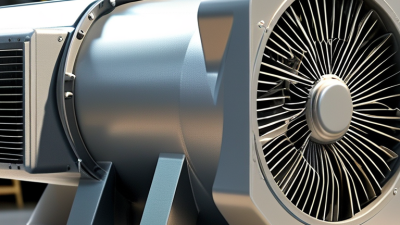
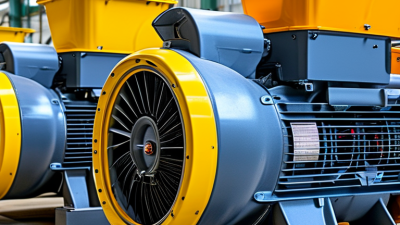
Choosing the right centrifugal fan starts with the operating environment, not the catalog. Dust, humidity, temperature, and corrosive gases can change the best design completely. In a woodworking plant, a radial-blade fan handles particulate matter better than a narrow, high-efficiency wheel. In a clean ventilation room, a backward-curved design may reduce power demand and operating noise. The U.S. Department of Energy reports that motor-driven systems consume about 68% of industrial electricity. Fan selection deserves serious attention.

Pressure loss also changes with real conditions. Long ducts, sharp elbows, filters, and dirty screens increase resistance. A fan sized only for its stated airflow may fail after installation. The DOE publication Improving Fan System Performance identifies fan systems as a significant industrial electricity load, often near 15% of manufacturing electricity use. Small efficiency losses become expensive over long operating hours. Check airflow, static pressure, gas temperature, density, and altitude together.

Materials matter as much as performance. Wet air can promote corrosion, while abrasive dust can erode blades and housings. A corrosion-resistant construction may extend service life, but it still needs inspection. Follow AMCA field measurement guidance when verifying airflow and pressure after commissioning. I have seen clean calculations produce disappointing results because actual filters were dirtier than expected. That is an uncomfortable lesson. Leave adjustment capacity, but avoid excessive oversizing, which can create noise, throttling, and wasted energy.

Select the Right Fan Size, Speed, and Motor Power

Choosing a centrifugal fan starts with measured airflow and system resistance, not guesswork. Determine required CFM and static pressure from ducts, filters, dampers, and outlets. A clogged filter can sharply increase resistance. Check actual conditions. Air density also changes with temperature and altitude, affecting performance.

Fan size influences capacity, noise, and operating efficiency. A larger wheel can deliver the same airflow at lower speed. This often reduces sound and bearing stress. However, available space may limit the diameter. Match the fan curve to the duty point. Then check whether the fan operates near its best efficiency range. Avoid selecting by outlet diameter alone. It can mislead.

Speed changes have powerful effects. Airflow follows speed, pressure rises with the square of speed, and power can approach the cube. Small speed increases may overload the motor. Select motor power from calculated shaft power, fan efficiency, and a practical safety margin. Do not oversize the motor without reason. It can increase purchase and operating costs. In field checks, unexpected vibration has sometimes revealed an unsuitable operating point, not a defective fan. Recheck the calculation. Real systems rarely behave exactly like clean laboratory data.

How to Choose the Right Centrifugal Fan?

Select the fan size, speed, and motor power that meet the required airflow and static pressure without unnecessary energy use.

The chart shows representative operating points for common centrifugal fan diameters. Each point is matched to a typical airflow, static pressure, rotational speed, and motor rating. Final selection should be confirmed against the system curve, fan efficiency, air density, temperature, noise limits, and the motor service factor.

Compare Materials, Efficiency, Noise, and Maintenance Needs

Choosing a centrifugal fan begins with the air conditions, not the catalogue photograph. For humid, dusty, or mildly corrosive environments, coated steel may offer better protection than untreated carbon steel. Stainless steel resists corrosion well, but it increases purchase weight and cost. Plastic housings can suit certain chemicals, though temperature limits need careful checking. I once saw a fan selected by appearance alone. Its casing survived, but the motor overheated.

Efficiency depends on the duty point. Compare airflow, static pressure, and power consumption at the same operating condition. A certified performance curve is more useful than a single efficiency percentage. Variable-speed control can reduce energy use during low-demand periods. However, poor system balancing may force the fan to work harder. Small details matter. Keep filters clean and avoid sharp duct turns near the inlet.

Noise should be measured at the expected distance, not guessed from the motor rating. Blade speed, turbulence, vibration, and duct resonance can all create an unpleasant hum. Select a fan with suitable acoustic data, then inspect bearings, belts, guards, and access panels. Easy maintenance often saves more money than a lower initial price. Leave enough clearance for cleaning and replacement. My own preference is practical, but not perfect: a quiet fan with difficult access can become a maintenance problem later. Reliable decisions come from site measurements, independent test data, and a realistic service schedule.

How to Choose the Right Centrifugal Fan? - Compare Materials, Efficiency, Noise, and Maintenance Needs

Fan Configuration Common Materials Typical Total Efficiency Noise Tendency Maintenance Needs Best-Suited Applications Main Selection Consideration
Forward-Curved Galvanized steel; painted steel; aluminum for lighter-duty use Approximately 45–65% Generally low at moderate air volumes, but can become noisy near overload Regular belt, bearing, and wheel inspection; keep the narrow blades clean Air-handling units, compact ventilation systems, and low-to-medium pressure applications Compact size and economical initial cost; avoid operation far to the right of the performance curve
Backward-Curved Painted or galvanized steel; stainless steel for corrosive environments Approximately 65–80% Usually quieter than forward-curved fans at comparable duty points Moderate inspection requirements; check bearings, balance, fasteners, and corrosion Industrial ventilation, process exhaust, and medium-to-high pressure systems Strong balance of efficiency, pressure capability, and stable operation
Airfoil-Blade Welded steel or aluminum blades; coated or stainless steel housings Approximately 75–85% Low aerodynamic noise when correctly selected and operated Requires careful cleaning and periodic inspection for blade damage, imbalance, and bearing wear Large HVAC systems, clean-air applications, and energy-sensitive installations High efficiency and low operating cost; not ideal for heavy dust or sticky particles without protection
Radial-Blade Heavy-gauge steel; abrasion-resistant or stainless steel options Approximately 50–70% Typically higher noise because of robust blades and turbulent airflow Good access for cleaning; inspect wear, buildup, bearings, belts, and rotor balance Dust collection, material conveying, furnace exhaust, and dirty-air service Durability and resistance to particle impact are more important than maximum efficiency
Plug or Plenum Fan Coated steel, galvanized steel, or aluminum impeller assemblies Approximately 60–80% Noise depends strongly on the surrounding plenum, inlet condition, and speed control Inspect the exposed wheel, motor, bearings, vibration, and accumulated dirt Custom air-handling units, variable-air-volume systems, and space-constrained layouts Flexible installation and direct airflow integration; requires proper system design
Corrosion-Resistant Fan 304 or 316 stainless steel, fiberglass-reinforced plastic, or protective polymer coatings Approximately 45–75%, depending on the wheel design Varies by wheel type; coatings and thicker materials may affect acoustic performance Inspect seals, coatings, drainage, fasteners, and chemical attack; rinse deposits when appropriate Chemical exhaust, coastal facilities, wastewater treatment, and humid environments Material compatibility with the gas, temperature, concentration, and moisture level
Engineering note: Efficiency figures are typical planning ranges and vary with fan size, speed, pressure, airflow, motor, drive, and control method. Actual noise levels depend on operating point, inlet and outlet conditions, ductwork, vibration isolation, and acoustic treatment. Always select a fan from certified performance data for the required airflow and pressure.

Verify Safety Standards, Installation Conditions, and Total Cost

Choosing a centrifugal fan starts with safety, not airflow alone. Verify guarding, emergency isolation, electrical protection, and noise limits against applicable standards, including ISO 12100 and IEC 60204-1. AMCA 210 provides standardized laboratory methods for rating fan airflow and pressure. Without comparable testing, quoted performance can become difficult to trust. A fan can look efficient on paper. It may fail on site.

Installation conditions often decide real performance. Record air temperature, humidity, dust concentration, duct length, bends, filters, and discharge direction before selecting the impeller. Poor alignment can increase vibration and bearing loads. A flexible connector may reduce transmitted vibration, but it cannot correct an undersized duct. The U.S. Department of Energy’s fan-system guidance highlights flow, pressure, and operating hours as major energy drivers. Small design errors repeat every hour. Noise matters.

Total cost includes purchase, controls, commissioning, maintenance, energy, and downtime. The IEA’s Energy Efficiency 2023 report indicates that electric motor systems consume roughly half of global electricity, making motor efficiency commercially important. Compare annual kilowatt-hours, not just the invoice price. Ask for measured operating points and part-load data. In commissioning reviews, I have found that assumed duty cycles are often optimistic. That is uncomfortable, but useful. A simple spreadsheet can expose a cheap fan with expensive electricity. Include filter replacement, belt tensioning, bearing access, and the cost of stopping production. Payback estimates remain estimates; dust, seasonal demand, and future process changes can weaken them.