Why Choose a Centrifugal Fan for Industrial Ventilation?
Industrial ventilation must move air reliably through ducts, filters, dampers, and work areas. A Centrifugal Fan is often selected because it can develop substantial pressure while maintaining controlled airflow. This matters in factories where long duct runs, packed filters, or extraction hoods create resistance. The right fan can remove welding fumes, process heat, dust, and humid air before they affect workers or equipment.
Practical selection starts with measured airflow demand and estimated system resistance. Engineers should review the fan curve, motor capacity, sound level, efficiency, and operating temperature. Material choice also deserves attention when the air contains moisture, abrasive particles, or mildly corrosive contaminants. A steel housing may suit one process, while coated or specialized materials may suit another. Small details matter. A poorly sealed access door can waste energy and reduce capture performance. In plant assessments, clogged filters and unbalanced dampers frequently explain weak ventilation. The fan is not always the problem.
No fan is perfect. A larger model may provide pressure, but it can increase noise, energy use, and maintenance costs. An undersized model may run continuously without reaching the required airflow. That judgment can be wrong when operating conditions change. Therefore, dependable decisions should combine site measurements, manufacturer data, applicable safety guidance, and qualified engineering review. Proper installation, vibration checks, belt inspection, and scheduled cleaning support long-term performance. When these factors align, a Centrifugal Fan becomes more than an air-moving device; it becomes a practical part of a safer, more stable production environment.
What Is a Centrifugal Fan?
Why Choose a Centrifugal Fan for Industrial Ventilation?
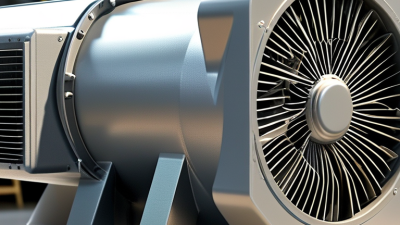
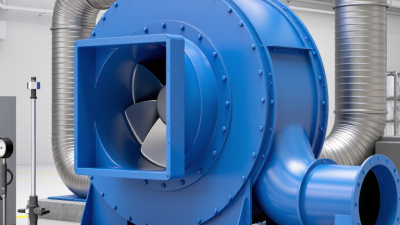
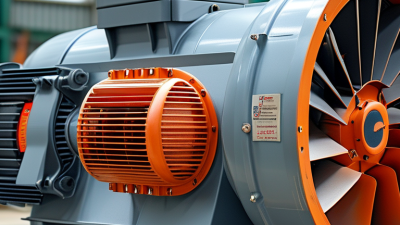
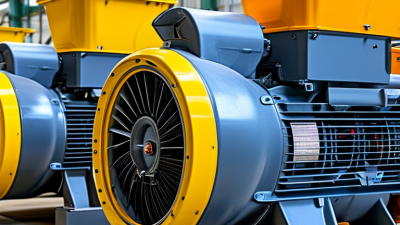
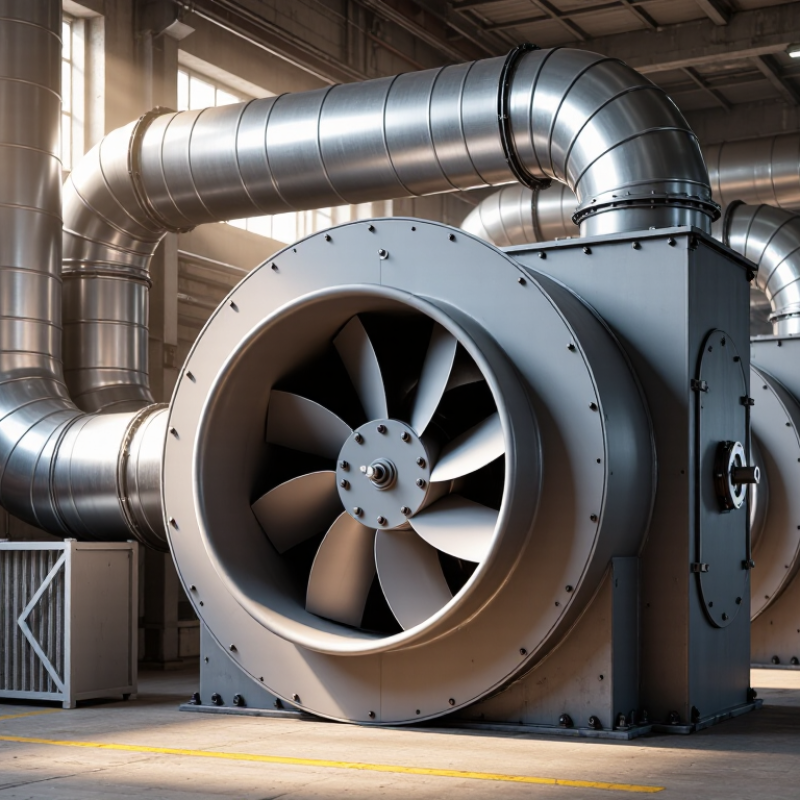
A centrifugal fan moves air by turning it outward through a rotating impeller. It is not simply a large propeller. Air enters near the impeller’s center, then curved blades accelerate it toward the outer edge. A surrounding casing collects this airflow and directs it into the duct system. This design can create higher pressure than many axial fans, especially when air must travel through long ducts, filters, bends, or dampers.
In field inspections, technicians often notice the fan’s steady pressure before noticing its size. A properly selected unit can remove hot air, welding fumes, dust, or moisture from demanding work areas. Its performance depends on impeller shape, rotation speed, motor power, and system resistance. Small errors matter. An undersized motor may overheat, while an oversized fan can waste energy and produce harsh noise.
Centrifugal fans also offer flexible installation options. They may handle cleaner air or heavier particulate loads, depending on construction and maintenance requirements. However, no fan suits every workplace. A dirty filter can reduce airflow quickly. Poor belt tension can create vibration. This description is useful, but incomplete without checking actual duct pressure and air volume. Careful measurements make the final choice more reliable.
Which Industrial Ventilation Needs Suit Centrifugal Fans?
Centrifugal fans suit industrial ventilation when the system must overcome resistance, not simply move air across an open room. They perform well with long ducts, filters, dampers, heat exchangers, and localized extraction arms. Their rotating impeller converts motor power into pressure, helping capture welding fumes, dust, moisture, and process heat near the source. This matters in factories where air paths may feel more like narrow tunnels than open corridors. The U.S. Department of Energy’s fan-system guidance stresses system-level design, because poor duct layout can waste substantial energy. IEA reports that electric motor systems consume about 53% of global electricity, making fan efficiency a practical operating concern.
Centrifugal selection is especially relevant for high-static-pressure applications. Radial blades can handle heavier particulate loads, while backward-curved designs often deliver better efficiency in cleaner air systems. However, no impeller solves an undersized hood or blocked filter. I have seen airflow complaints blamed on the fan when the real issue was leakage around a dusty connection. DOE guidance also reflects the fan affinity laws: reducing speed to 80% can lower ideal power demand to roughly 51%. Real savings depend on controls and system resistance.
Tips: Measure airflow, static pressure, temperature, and particle conditions before choosing a fan. Check the filter’s pressure drop during operation, not only when it is new. Leave access for cleaning. A quieter fan may still be unsuitable if it cannot maintain capture velocity. This is where designs often need a second review.
Why Choose a Centrifugal Fan for Industrial Ventilation?
Centrifugal fans are well suited to industrial ventilation systems that require higher static pressure, long duct runs, air filtration, exhaust hoods, or reliable airflow against system resistance. The suitability index below uses a 1–5 engineering scale, where 5 indicates a strong fit for centrifugal fan technology.
How Should an Industrial Centrifugal Fan Be Selected?
How Should an Industrial Centrifugal Fan Be Selected?
Selecting an industrial centrifugal fan starts with measured operating conditions, not a catalogue photograph. Define required airflow, static pressure, gas temperature, altitude, humidity, and contaminant levels. A dusty woodworking line needs different wheel geometry from a clean packaging room. Measure it. Do not guess.
The U.S. Department of Energy’s Improving Fan System Performance sourcebook reports that many industrial fan systems can achieve 10–30% energy savings through better design and operation. This supports selecting near the system’s real duty point, rather than choosing an oversized motor for comfort. Check the fan curve, efficiency at duty, surge margin, motor service factor, and variable-speed control range. AMCA Publication 210 provides standardized laboratory methods for rating airflow and pressure, while AMCA Publication 203 explains fan performance testing and application practices. Ask for certified test data.
Material selection also requires practical experience. Stainless steel may resist corrosive vapors, while abrasion-resistant construction can extend service in dusty processes. Consider inlet filtration, inspection access, bearing temperature, vibration limits, noise, and maintenance clearance. The European Commission’s Ecodesign preparatory work on fans highlights the importance of total energy performance, not only purchase price. A cheaper fan can become expensive after years of inefficient operation. Yet a perfect calculation can still fail when duct leakage, blocked filters, or unexpected process changes are ignored. Recheck the system after installation. The field rarely behaves exactly like the spreadsheet.