2026 Best Acid Base Cabinet Options for Global Buyers?
When it comes to laboratory safety, the Acid-Base Cabinet plays a crucial role. In 2026, buyers worldwide are looking for the best options available. Concerns about chemical storage and stability drive this demand. Acid-Base Cabinets protect both users and the environment from hazardous materials.
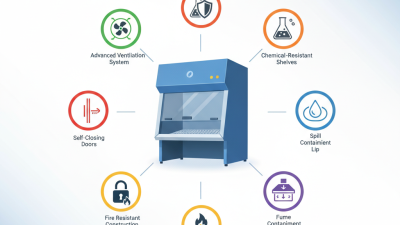
Many manufacturers offer a variety of designs to meet diverse needs. Some cabinets are equipped with advanced ventilation systems, ensuring safety during chemical handling. Others focus on durability and resistance to corrosive substances. Yet, not all cabinets fulfill the expectations they promise.
Choosing the right Acid-Base Cabinet requires careful consideration. Understanding specific laboratory requirements is essential. Buyers often find it challenging to balance budget and quality. It’s vital to evaluate both the features and the reputation of manufacturers. This leads to a more reliable selection that enhances safety and compliance.

Overview of Acid Base Cabinets: Definition and Purpose
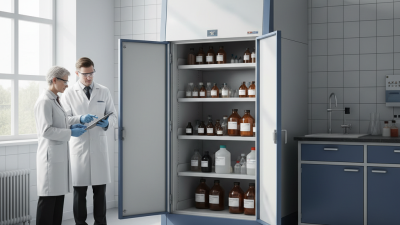
Acid base cabinets play a crucial role in laboratories and chemical storage areas. These cabinets are designed to contain corrosive substances safely. Understanding their purpose and definition is essential for global buyers looking to enhance laboratory safety. According to a report by the American National Standards Institute (ANSI), proper storage of acids and bases can reduce the risk of accidents by up to 70%.
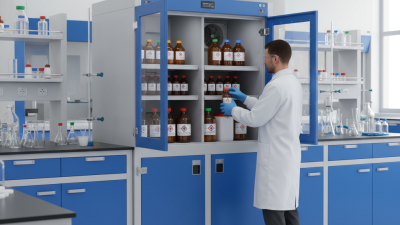
Acid base cabinets are typically constructed from materials that are resistant to corrosion. This includes special coatings and linings that safeguard against chemical spills. Research from the National Institute for Occupational Safety and Health (NIOSH) indicates that using dedicated storage units minimizes exposure to harmful chemicals. It's also important to keep these cabinets well-organized and regularly inspected to ensure that they remain compliant with safety regulations.
Tips: Ensure cabinets are clearly labeled. This prevents mishandling and enhances safety. Consider adding secondary containment within cabinets to capture spills. Regular training on the proper use of acid base cabinets can further reduce risks. A careful assessment of cabinet types may reveal that some options are not suitable for specific environments, prompting the need for adjustments.
Key Features to Consider When Selecting Acid Base Cabinets
When selecting acid base cabinets, several features are crucial for ensuring safety and functionality. Robust construction materials like high-density polyethylene (HDPE) offer superior chemical resistance. According to a 2023 report from the International Chemical Safety Institute, HDPE significantly reduces the risk of spills and corrosion. Cabinets designed to be acid-resistant typically undergo rigorous testing to meet industry standards.
Ventilation systems within cabinets are another important consideration. Adequate airflow prevents the buildup of hazardous fumes, which can pose health risks. The American Institute of Chemical Engineers suggests that ventilated cabinets can reduce exposure to harmful vapors by up to 70%. Additionally, adjustable shelving can accommodate various container sizes, ensuring optimal organization.
Security features should not be overlooked. Locking mechanisms enhance safety, especially in environments with hazardous materials. Many cabinets now come with integrated alarm systems, alerting users of potential breaches. Reflecting on past incidents highlights how essential these features are. Data from the National Safety Council stresses that improper storage methods contributed to 40% of laboratory accidents last year. Balancing versatility and safety leads to more effective cabinet solutions.
Top 2026 Acid Base Cabinet Models for Global Markets
As the demand for high-quality acid base cabinets grows globally, 2026 presents unique options for buyers. Market research predicts a surge in investment in laboratory infrastructure, driven by industries like pharmaceuticals and biotechnology. Acid base cabinets play a critical role in safely storing corrosive materials.
Top models are designed with enhanced durability, often constructed from robust materials resistant to chemical damage. Data from a recent industry report indicates that cabinets with advanced ventilation systems improve safety and protect laboratory personnel. Features like adjustable shelving and lockable doors contribute to optimal organization and security.
Tips: Consider the cabinet's internal capacity before purchasing. Ensure it meets your storage needs while allowing for future expansion. Regular maintenance is crucial; inspect seals and ventilation to ensure long-term reliability. Additionally, factor in environmental regulations, as compliance is essential when selecting a cabinet model. The right choice will protect both your inventory and your workspace for years to come.
Comparative Analysis of Acid Base Cabinets Across Different Brands
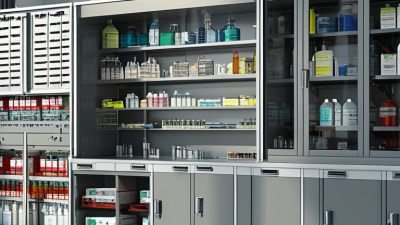
When evaluating acid base cabinets, several key factors come into play. A recent industry report indicated that over 35% of laboratories struggled with insufficient cabinet designs. The right cabinet protects personnel and preserves valuable equipment. Functional design is essential for safety compliance and operational efficiency.
Brand comparisons reveal varying build quality and material durability. Some cabinets provide excellent chemical resistance, while others fail under stress. Laboratories often face hidden costs due to poor cabinet choices that lead to accidental spills or equipment failure. Accessibility and space utilization are also frequent issues, often overlooked during procurement processes.
A significant percentage of users emphasize usability and maintenance. Regular inspections become burdensome if a cabinet is not easily accessible. Organizations need products that meet stringent safety standards while offering user-friendly features. Conducting a thorough analysis helps buyers avoid costly mistakes. Engaging with expert reviews and industry data ensures the selection aligns with their specific requirements.
2026 Best Acid Base Cabinet Options for Global Buyers
| Model |
Dimensions (W x D x H) |
Material |
Storage Capacity (Liters) |
Safety Features |
Price Range (USD) |
| Model A |
90 x 60 x 180 cm |
Steel |
500 |
Double-lock doors |
800 - 1000 |
| Model B |
85 x 55 x 170 cm |
Polypropylene |
400 |
Ventilation system |
700 - 900 |
| Model C |
95 x 65 x 190 cm |
Stainless Steel |
600 |
Fire retardant |
900 - 1200 |
| Model D |
80 x 50 x 160 cm |
Metal Composite |
350 |
Anti-tip design |
600 - 800 |
| Model E |
100 x 70 x 200 cm |
Fiberglass |
700 |
Explosion-proof |
1000 - 1300 |
Maintenance and Safety Tips for Acid Base Cabinets
When handling acid base cabinets, maintenance is crucial to ensure safety and longevity. Regular inspections are vital. Look for signs of corrosion or damage. These cabinets must be kept clean. Spills should be addressed immediately. A dedicated cleaning solution can help maintain surfaces. Avoid harsh chemicals that could damage the cabinet.
Proper storage is essential. Organize hazardous materials according to compatibility. Never mix substances without proper guidance. Use secondary containment trays to catch leaks. This adds an extra layer of safety. Additionally, a clear labeling system can prevent dangerous mishaps. Check that labels are readable and updated.
Training staff is a fundamental aspect. Ensure everyone understands cabinet use and potential hazards. Conduct regular safety drills. Discuss what to do in case of a spill or exposure. Documentation of these trainings should be accessible. It’s a proactive step towards a safer environment. Reflect on past incidents to improve future protocols. Strive for continuous improvement in safety measures.