How to Choose the Best Acid Base Cabinet for Your Needs?
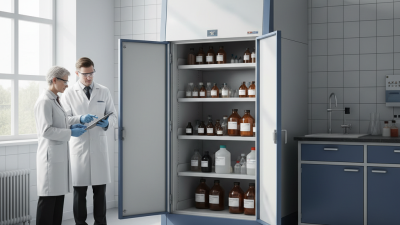
When selecting the right Acid-Base Cabinet, understanding your specific needs is crucial. These cabinets are essential for storing corrosive substances safely. They protect both personnel and the environment from harmful chemical exposure.
Consider the materials used in the cabinet's construction. High-quality steel or chemical-resistant coatings can make a difference in durability. Also, think about the size and capacity. A cabinet that is too small may lead to clutter and hazards. Accessibility is another key point. You want a cabinet that facilitates easy retrieval of materials without compromising safety.
Reflecting on your laboratory's workflows can provide valuable insights. Are there specific chemicals you use frequently? This could influence your choice of an Acid-Base Cabinet. Keep in mind that not every cabinet will meet all your needs, so be open to adjusting your criteria. Ultimately, the right cabinet will enhance safety and efficiency in your workspace.
Understanding the Importance of Acid Base Cabinets in Laboratories
Acid base cabinets are essential components in many laboratories.
They are designed to store corrosive materials safely. Choosing the right cabinet can prevent chemical spills and accidents.
With numerous options available, understanding their importance is crucial for lab safety.
These cabinets are built to contain acids and bases, reducing the risk of exposure.
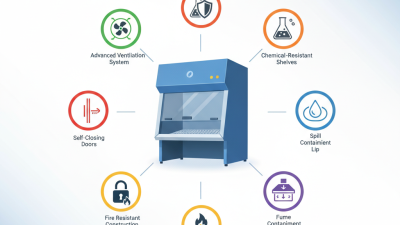
They often come with features like ventilation and secondary containment.
Proper storage helps maintain a safe working environment. However, not all cabinets are created equal.
It's vital to evaluate their construction and materials. A cheap option may cost more in the long run due to potential hazards.
Consider the specific needs of your lab when selecting a cabinet. Assess the types and quantities of chemicals you handle.
This analysis will guide you in choosing a suitable model. Remember, investing in quality cabinets is investing in safety.
Knowledge of proper storage practices is equally important. Understanding the limitations of your cabinet can prevent future mishaps.
Key Factors to Consider When Choosing an Acid Base Cabinet
When selecting an acid base cabinet, consider several essential factors. Safety should be your top priority. Look for cabinets made from durable materials that can withstand spills. A good cabinet will also be equipped with appropriate ventilation. This helps to minimize the risk of harmful fumes accumulating.
Space is another crucial aspect. Ensure the cabinet fits well in your lab or workspace. Measure your area accurately before making a purchase. Don’t forget about accessibility. You want a design that allows easy access to all your materials.
Additionally, check for compliance with safety regulations. Cabinets must meet certain standards to ensure proper protection. Look for certifications from recognized organizations. While it’s tempting to choose based on aesthetics, always prioritize functionality. This ensures it meets specific laboratory needs. Reflect on your requirements and make an informed decision.
Different Types of Acid Base Cabinets and Their Applications
When choosing an acid base cabinet, understanding the types available is crucial. There are several types, each with unique applications. For instance, the standard acid cabinet is designed for corrosive chemicals used in laboratories. It often features a double-walled design for better containment. Many labs prefer it for storing acids safely.
Another type is the flammable acid cabinet. This cabinet is specifically engineered to hold acids that can easily ignite. It usually includes enhanced ventilation and fire-resistant materials. Such features are essential in settings where safety is a priority. Separating these materials from other chemicals reduces risk significantly.
Some facilities may require specialized cabinets. For example, a ventilated acid cabinet provides continuous airflow. This feature minimizes harmful vapors and maintains air quality. However, it also demands regular maintenance to ensure functionality. Each type of cabinet serves a unique purpose, but improper use could lead to safety hazards. Understanding your specific needs can guide your choice effectively.
Safety Standards and Regulations for Acid Base Cabinets
When selecting an acid base cabinet, understanding safety standards and regulations is crucial. These cabinets serve as essential storage for hazardous materials. Regulations often require compliance with OSHA and NFPA guidelines. For instance, OSHA mandates proper labeling and employee training for handling corrosive substances.
According to the National Fire Protection Association, approximately 30% of chemical incidents occur in places without adequate storage. The design of acid base cabinets must include fire-resistant materials. A common recommendation is that the cabinets should withstand heat up to 200°F to protect contents.
Evaluating cabinet features is important. Look for options with secondary containment. This can add an extra layer of safety. Additionally, routine inspections are necessary. Some facilities neglect this, leading to potential risks. Regular checks can prevent leaks or spills. Balancing strict adherence to regulations with practical storage needs may require ongoing adjustments. Consider the space available and future growth when making your decision.
Maintenance Tips for Prolonging the Life of Your Acid Base Cabinet
Proper maintenance is crucial for prolonging the life of your acid base cabinet. A study from the American Chemical Society shows that cabinets, when properly maintained, can last over ten years. Regular inspections play an essential role. Check for any signs of wear, corrosion, or leaks. These issues, if neglected, can lead to costly replacements.
Furthermore, clean the interior and exterior surfaces routinely. Residues can accumulate and compromise cabinet integrity. Use pH-neutral cleaners to avoid damaging the materials. A report by the National Safety Council emphasizes that neglecting maintenance can reduce a cabinet's lifespan by up to 40%.
Storage conditions matter too. Ensure the cabinet is in a climate-controlled environment. Extreme temperatures, humidity, or exposure to sunlight can degrade materials. When assessing your maintenance strategies, reflect on how you currently operate. Are there areas for improvement? Making small changes can yield significant benefits in the longevity of your acid base cabinet.
Maintenance Tips for Prolonging the Life of Your Acid Base Cabinet