China Top Anti Static Workbench Options for Your Workspace Needs?
In today's fast-paced electronics industry, maintaining a controlled environment is crucial. An Anti-Static Workbench is an essential investment for professionals. With the demand for ESD-safe workplaces growing, recent industry reports indicate that the global anti-static products market is projected to reach $3 billion by 2026. These figures underline the significance of proper work surfaces to prevent static discharge, which can damage sensitive electronic components.
Anti-static workbenches come in various designs tailored for specific needs. Many include grounding kits, ESD mats, and storage solutions. However, selecting the right option remains a challenge. Quality discrepancies exist among manufacturers. It is vital to consider materials, features, and certifications when shopping. Investing in a reliable anti-static workbench can significantly enhance productivity and reduce costly errors in electronic assembly and repairs.
While the market offers numerous choices, not every product meets high standards. Professionals must remain vigilant about counterfeit or subpar workbenches. Ensuring that your workspace adheres to safety regulations is essential. This diligence not only protects equipment but also maintains operational efficiency in a competitive environment. The right anti-static workbench is more than just a piece of furniture; it represents a strategy for success in the electronics sector.
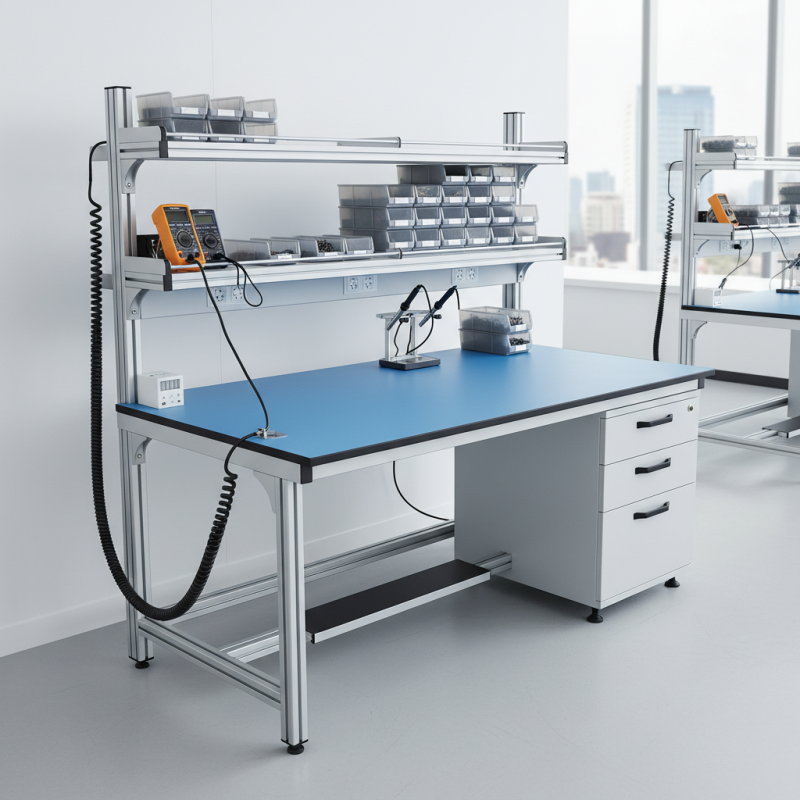
Top Features to Consider in Anti-Static Workbenches
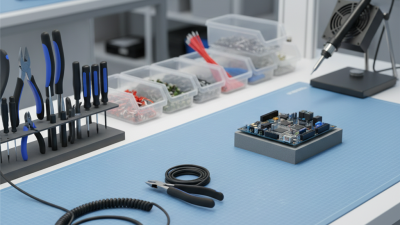
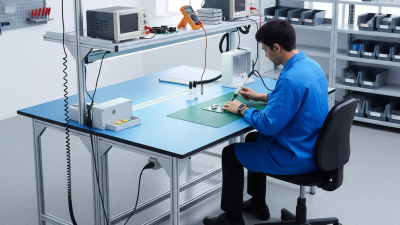
When selecting an anti-static workbench, various features deserve careful consideration. A crucial aspect is the surface material. High-quality laminate or vinyl surfaces can effectively dissipate static electricity. This prevents damage to sensitive electronic components during assembly or repairs. Look for surfaces with a consistent static dissipative property for maximum effectiveness.
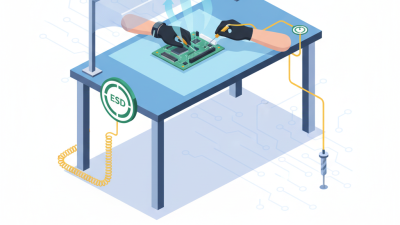
Another important feature is the grounding system. Proper grounding ensures that static charges are effectively redirected. A reliable grounding connection enhances safety and efficiency. Additionally, adjustable height settings can provide ergonomic benefits. This customization allows users to work comfortably, reducing strain during long periods.
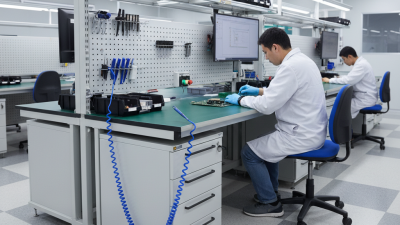
Storage options are also vital. Drawers and shelves should be accessible yet discreet. They help keep tools organized and within reach. Some workbenches even incorporate modular designs for future expansion. While these features are beneficial, users should reflect on their workspace needs. One bench might not fit all. Testing different configurations can lead to better productivity and a safer work environment.
Top Features of Anti-Static Workbenches
Popular Anti-Static Workbench Materials and Their Benefits
When selecting anti-static workbench materials, understanding their benefits is essential. Conductive materials, like laminated surfaces, significantly minimize electrostatic discharge (ESD). A study by the ESD Association shows that using anti-static surfaces can reduce failures in electronic components by up to 30%. This reduction helps avoid costly repairs and increases overall productivity.
Another popular choice is the use of vinyl laminate. This material combines durability with anti-static properties. Unlike traditional surfaces, vinyl laminate is resistant to chemical spills, enhancing longevity. Data suggests that workshops utilizing vinyl products see fewer accidents. However, improper maintenance can render even the best materials ineffective, so regular cleaning is crucial.
Rubber surfaces also present a valuable option. They offer cushioning and support while maintaining ESD safety. Research indicates that rubber workbenches can absorb shocks, providing a safer environment. Yet, their performance can decline under heavy loads, prompting the need for careful weight management. Balancing the advantages and limitations of these materials ensures a productive workspace tailored to specific needs.
Comparative Analysis of Leading Brands in Anti-Static Workbenches
When selecting an anti-static workbench, various features need to be considered. These include the materials used, surface finish, and grounding capabilities. A solid workbench reduces static electricity buildup, protecting sensitive electronic components. Some options come with adjustable heights, enhancing ergonomics. Others feature built-in storage for tools and equipment, promoting an organized workspace.
Brand comparisons highlight differences in construction quality and durability. Some benches prioritize lightweight materials, making transportation easier. Yet, this can compromise stability for heavier tasks. Users should also examine weight limits, especially for industrial applications. The choice often boils down to specific needs. It’s crucial to assess which features align with your workflow.
Reviews from professionals in the electronics field can offer insights. Many emphasize the importance of reliable grounding systems. Some users have expressed dissatisfaction with benches that lack adequate instructions for setup. This is a key factor to consider if purchasing online. Ultimately, thorough research is vital in choosing the right anti-static workbench for your workspace. Be sure to weigh personal experiences against brand promises.
Ergonomic Integration in Anti-Static Workbench Designs
When designing an anti-static workbench, ergonomic integration is key. A well-designed workspace reduces strain and increases productivity. Over time, many workers face discomfort due to poor posture. Anti-static workbenches should be adjustable in height, allowing users to find their ideal working position.
The layout should also consider reach zones. Tools and materials within easy reach minimize unnecessary stretching. Thoughtful placement can save time and energy. Additionally, consider surface materials that support prolonged use without causing fatigue. Many designs incorporate padding or textured finishes to enhance comfort.
While aesthetics can be appealing, functionality must come first. A workbench can look great but fail in practical use. Every aspect should promote an efficient workflow. Regular feedback from users can illuminate areas for improvement. An ideal workspace adapts to the worker, not the other way around. Ergonomics cannot be an afterthought; they must be intertwined with design from the beginning.