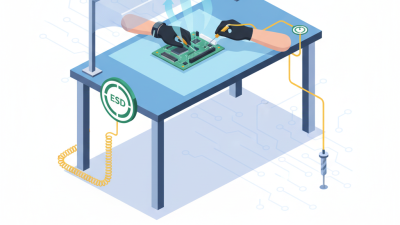
The Ultimate Guide to Choosing the Best Anti Static Workbench?
Choosing the right Anti-Static Workbench is crucial for maintaining product quality in electronic assembly. According to a report by IPC, electronic product failures due to static electricity can cost manufacturers millions of dollars annually. This statistic underscores the need for effective static control measures in work environments.
An Anti-Static Workbench helps prevent electrostatic discharge (ESD), which can damage sensitive components. Many industries recognize the value of these workbenches in safeguarding electronics. For instance, a survey by ESD Association indicates that 70% of companies experienced ESD-related failures in their production processes.
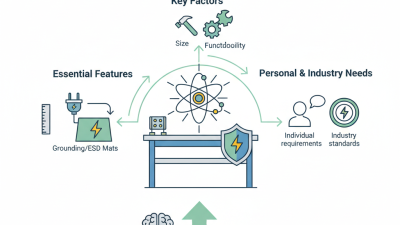
While selecting an Anti-Static Workbench, various factors must be considered. Material, design, and grounding features play significant roles. However, many businesses overlook the specific needs of their operation. This can lead to improper installations and increased risk. Therefore, understanding your environment and requirements is essential for making an informed choice.
Understanding Anti-Static Workbenches: Importance and Benefits
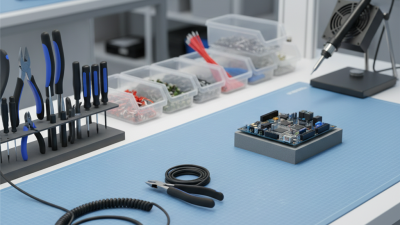
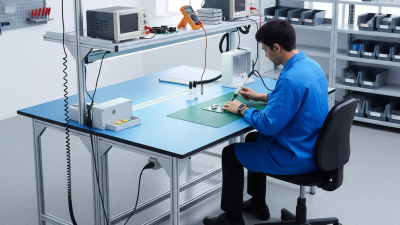
When considering an anti-static workbench, understanding its importance is crucial. These workbenches are designed to prevent electrostatic discharge (ESD). This discharge can damage sensitive electronic components. In environments where electronics are handled, the risks are significant. A simple touch can ruin a circuit board. Therefore, using an anti-static workbench is not just a choice; it’s a necessity.
The benefits of these workbenches extend beyond mere protection. They improve efficiency in the workspace. A dedicated anti-static surface can help organize tools and materials better. Employees can work more confidently, knowing their equipment is safe. Even so, not every option on the market is suitable for all settings. Some workbenches may not meet specific ESD standards. It's essential to assess your environment and needs carefully.
While anti-static workbenches provide clear advantages, they are not infallible. Ensure regular maintenance to keep them effective. Dust accumulation can reduce their performance. Additionally, proper training for personnel is necessary. Employees must understand how to use these workbenches correctly. Misuse can lead to failures, negating their intended benefits.
The Ultimate Guide to Choosing the Best Anti Static Workbench
| Dimension |
Description |
Importance |
Benefits |
| Material |
The composition of the workbench surface that influences static dissipation. |
Prevents static electricity buildup. |
Enhances safety and equipment longevity. |
| Size |
Dimensions suitable for workspace and equipment. |
Optimizes organization and efficiency. |
Increases productivity and comfort. |
| Load Capacity |
Maximum weight the workbench can safely support. |
Ensures safety during use. |
Facilitates use of heavy equipment without risk. |
| Anti-Static Features |
Specific materials or coatings designed to dissipate static. |
Critical for electronics handling. |
Prevents damage to sensitive components. |
| Ergonomics |
Design considerations for user comfort. |
Reduces strain and fatigue. |
Promotes longer, more focused work periods. |
Key Features to Look for in an Anti-Static Workbench
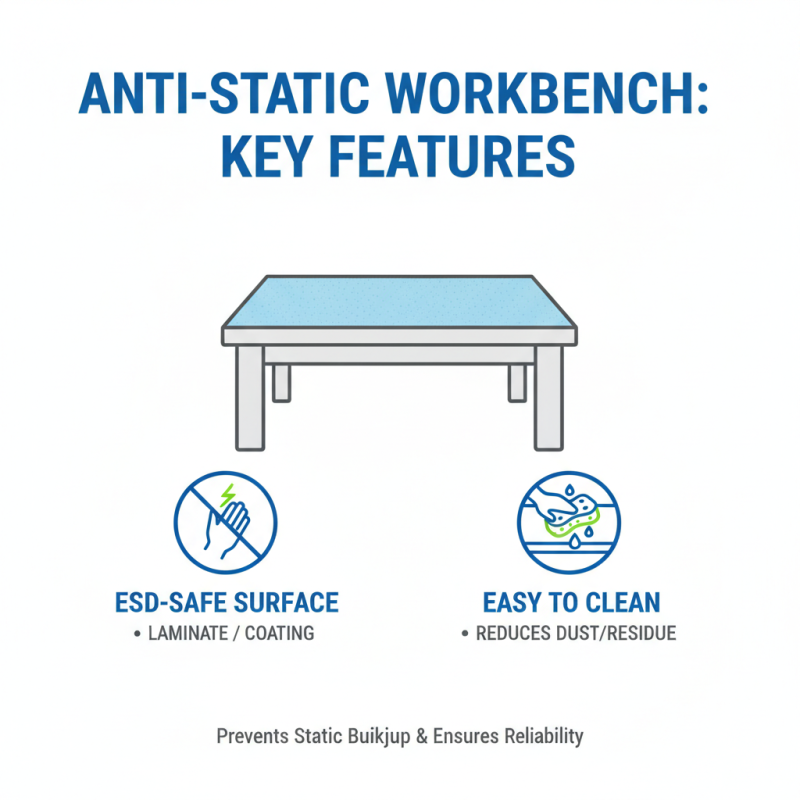
When selecting an anti-static workbench, several key features should be prioritized to ensure effectiveness and reliability. A crucial aspect is the surface material. Anti-static laminates or ESD-safe coatings can significantly reduce static buildup. Additionally, the surface should be easy to clean. Dust and residues can accumulate, affecting performance.
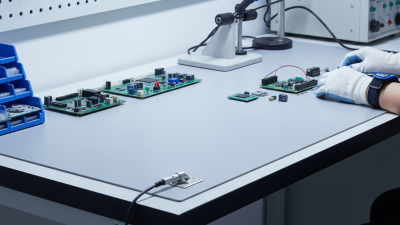
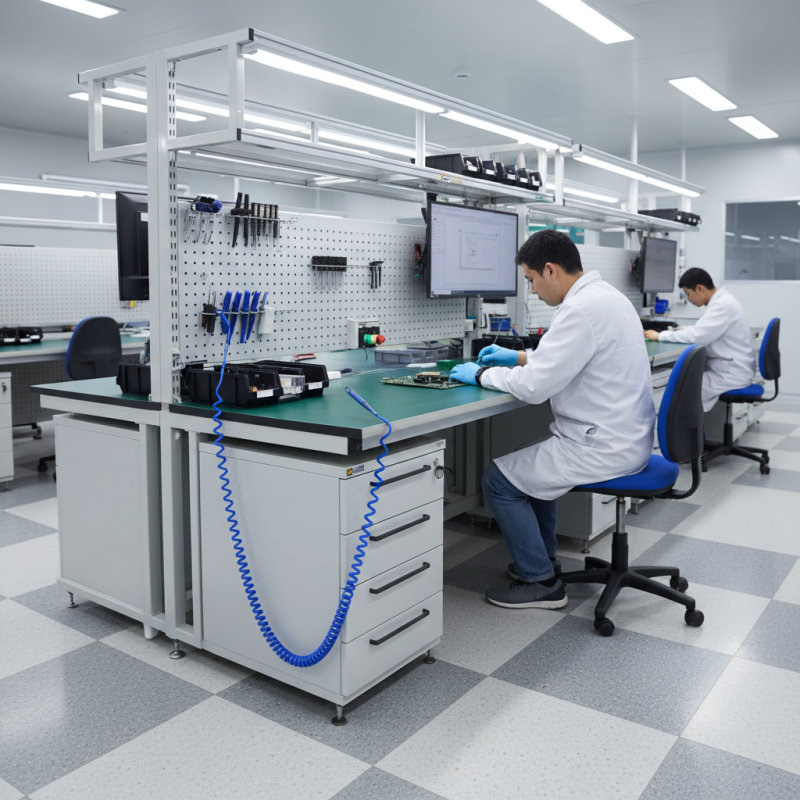
Consider the grounding mechanisms integrated into the workbench design. Proper grounding is vital for dissipating static charges. A robust grounding system helps in maintaining a safe workspace. Adjustable height features can also enhance ergonomics, allowing users to customize their workstations for comfort.
Storage solutions are often overlooked. Ample storage can keep the workspace organized and free from clutter. Drawers or shelves should be easily accessible, promoting efficiency. Lighting is also important. Proper illumination helps avoid mistakes and ensures precision. It's easy to underestimate these details, but they play a pivotal role in the overall functionality of the workbench.
Material Choices: Wood, Laminate, and Metal for Anti-Static Properties
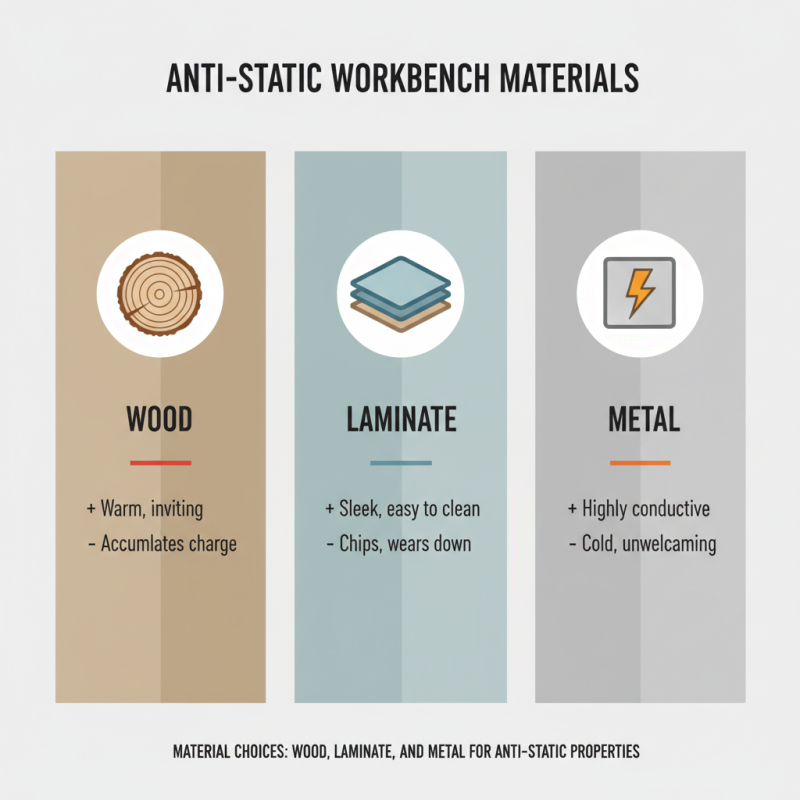
When selecting materials for an anti-static workbench, options typically include wood, laminate, and metal. Each material offers distinct advantages and drawbacks. Wood is warm and inviting but can accumulate static charge over time. Laminate, on the other hand, is sleek and easy to clean. However, it can chip or wear down with heavy use, potentially influencing its anti-static performance. Metal is highly conductive, ideal for preventing static buildup, but it can be cold and unwelcoming in a workspace.
Tips: Consider the specific tasks you’ll perform on your bench. If you're handling sensitive electronics, metal is often preferred. If aesthetics matter and you desire warmth, high-quality laminate might be the right choice.
Reflect on the environment as well. In humid conditions, wood may warp, affecting both durability and static properties. Be aware of how your location can influence your material choice. Evaluate every aspect carefully. Your ideal workbench is not just about looks; it must also perform effectively in your unique setting.
Sizing and Customization: Finding the Right Fit for Your Workspace
Choosing the right anti-static workbench requires careful consideration of sizing and customization. The perfect fit contributes greatly to comfort and efficiency. A well-sized workbench ensures that you have enough space for your tools and projects. It should accommodate your height and the tasks at hand. Sometimes, it’s tempting to settle for standard sizes, but this might compromise your work.
Customization options can enhance the usability of your workspace. Adjustable height is a crucial feature, allowing the bench to adapt to standing or sitting positions. Additional features like storage compartments or surface materials are worth considering. Be mindful, though, that personal preferences can change over time. What feels right now may not suit your needs later, leading to unnecessary adjustments or replacements.
Don't overlook the importance of your workspace environment. If your bench is too close to distractions, it can impact your focus and productivity. Some users might find themselves overwhelmed by clutter, leading to inefficiency. Reflecting on your workspace habits can yield valuable insights. Evaluate how often you reorganize your tools and materials. This can provide clues on the kind of customization that will really help you thrive.
Maintenance Tips for Longevity of Your Anti-Static Workbench
Maintaining an anti-static workbench is crucial for its longevity and effectiveness. Regular cleaning is essential. Dust and debris can accumulate and reduce the workbench’s performance. Use a soft cloth and a mild cleaner to wipe the surface. This simple step can prevent static build-up. However, be cautious; overly aggressive cleaners may damage the surface.
Proper grounding is vital for any anti-static workbench. Ensure that grounding connections are secure and regularly checked. A loose connection can compromise the entire system. Inspect power cords and grounding wires for any signs of wear. Any fraying or damage could be hazardous.
Lastly, consider the placement of your workbench. Avoid areas with high humidity or direct sunlight. These factors can degrade materials over time. However, it’s easy to overlook this detail when setting up. Taking time to assess the environment is worth it. Regular inspections and mindful placement will help ensure a reliable work surface for years to come.
The Ultimate Guide to Choosing the Best Anti Static Workbench
This bar chart illustrates the importance rating for various criteria to consider when choosing an anti-static workbench. Material quality ranks the highest, indicating its significance in ensuring safety and functionality.