How to Choose the Best All Steel Test Bench for Your Needs?
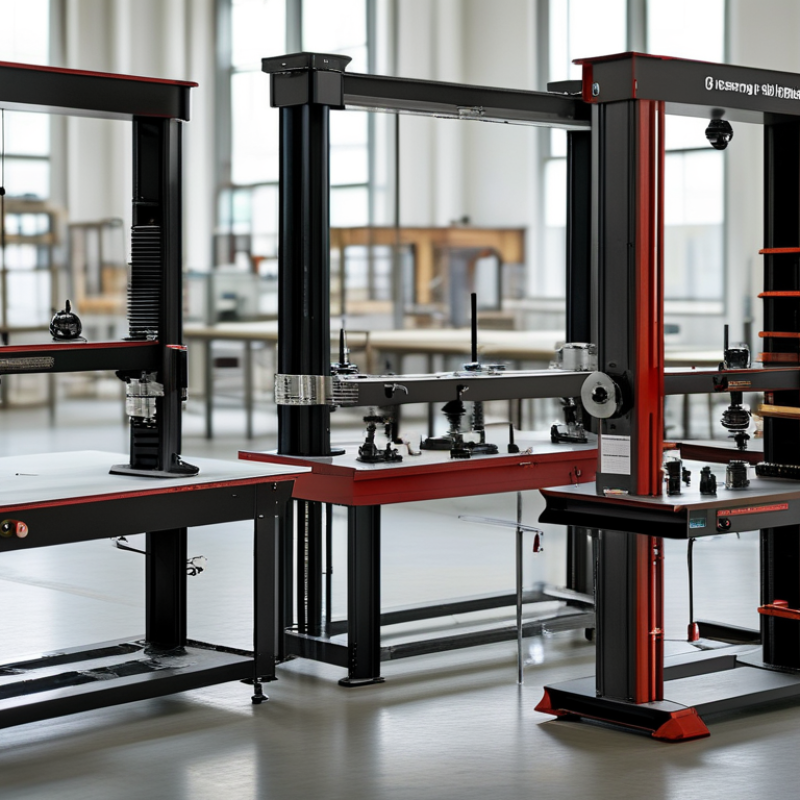
Choosing the right All Steel Test Bench can be crucial for your testing needs. Renowned industry expert Dr. Alex Turner once stated, "The stability and durability of an All Steel Test Bench is unmatched in our field." This highlights the importance of selecting a bench that aligns with your specific requirements.
When considering an All Steel Test Bench, factors like material quality, design, and versatility are essential. The bench's structure must support the weight of your testing equipment and withstand rigorous use. Check for features that cater to your unique tasks. Adaptability can save time and enhance efficiency.
Yet, finding the perfect bench is not always straightforward. Misjudging your needs can lead to poor performance and wasted resources. Reflect on your past experiences and gather insights from other professionals. An informed choice can significantly impact your testing outcomes and long-term satisfaction.
Understanding the Importance of All Steel Test Benches
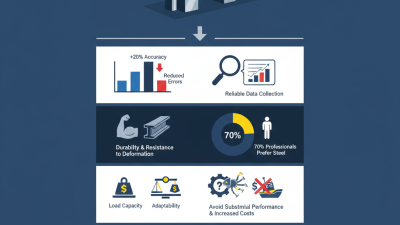
All steel test benches are crucial for various applications. They provide a solid and reliable platform for testing equipment, ensuring accurate results. The strength of steel makes these benches ideal for heavy loads and rigorous use. Additionally, they resist wear and tear better than other materials, ensuring longevity.
Choosing the right test bench involves understanding your specific needs. Consider the weight and type of equipment you plan to test. Some setups may require additional features like adjustability or mobility. A rigid bench might prove inadequate for specific tests, leading to inaccurate data. Reflect on what aspects are essential for your operations and which can be overlooked.
Every testing scenario brings its own challenges. Steel benches can be expensive, but investing wisely pays off in durability. Not all benches perform equally; some might flex under pressure. Evaluating options carefully is necessary to avoid future disappointments. A well-chosen test bench enhances productivity and safety in testing environments.
Key Features to Look for in an All Steel Test Bench
When selecting an all steel test bench, focus on essential features that meet your specific needs. Durability is paramount; look for a design that withstands heavy loads and harsh conditions. Industry data indicates that steel benches can last over 20 years with proper use. Quality steel ensures minimal maintenance, which translates into cost savings.
Another critical feature is adjustability. A height-adjustable test bench accommodates different testing processes and operator preferences. This versatility is vital in laboratories where space is limited. Some reports show that adjustable benches increase workflow efficiency by up to 30%.
Tip: Prioritize benches with easy access to components. Accessibility can greatly reduce downtime during tests. Consider benches with built-in storage; this facilitates organized tool placement and quick retrieval.
Lastly, pay attention to safety features. Test benches should have anti-slip surfaces and secure anchoring options. A reliable testing environment reduces the risk of accidents. Although these features are commonly overlooked, they are essential for a functional workspace. Regular evaluations of your test bench ensure that it continues to meet safety and performance standards.
How to Choose the Best All Steel Test Bench for Your Needs? - Key Features to Look for in an All Steel Test Bench
| Feature |
Description |
Importance |
| Material Quality |
High-grade steel ensures durability and resistance to wear. |
Critical |
| Load Capacity |
Ability to handle various weights without deformation. |
Essential |
| Work Surface |
Smooth, adequate workspace for testing equipment. |
Important |
| Mobility |
Wheels or a lightweight design for easy relocation. |
Useful |
| Storage Options |
Shelves or drawers for keeping tools and accessories organized. |
Helpful |
| Adjustability |
Height adjustability for user comfort and ergonomic use. |
Beneficial |
Evaluating Your Specific Testing Needs and Applications
When evaluating your specific testing needs, consider what you are measuring. Different applications require unique setups. For example, you might be testing tensile strength or load resistance. Each test demands a different approach and configuration. Knowing your objectives helps narrow down your options.
Look into the materials you will work with. A flexible setup can accommodate various samples. Ensure the bench can handle different weights and sizes. Think about how often you will switch tests. A versatile bench can save you time. It's important to have proper equipment that supports quick changes without hassle.
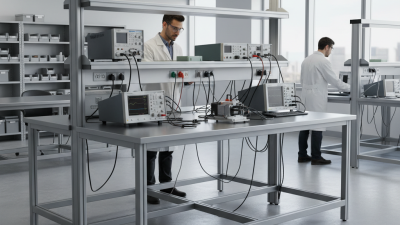
Reflect on your workspace. Does it allow for a robust test bench? Space constraints can limit your choices. Also, consider whether you will be testing alone or with a team. Collaboration may require additional features. Ensure the bench meets safety standards. Addressing these factors is crucial for effective testing.
Test Bench Load Capacities
Comparing Different Brands and Models of All Steel Test Benches
When selecting an all steel test bench, it’s essential to compare various brands and models. Not all benches offer the same features or quality. Some may have sturdier frames or better finishes. Others might excel in areas like size or versatility.
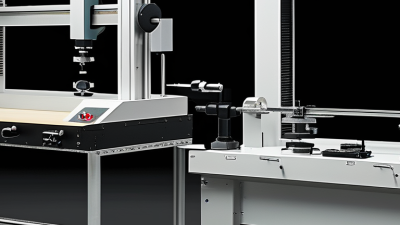
Features like weight capacity and adjustability are crucial. Some benches can handle more rigorous tests, making them ideal for demanding environments. Pay attention to the weld quality, as it often indicates durability. A robust design ensures longevity and reliability during multiple uses.
Tips: Consider your specific testing needs before making a choice. Always read user reviews to gauge real-world performance. Test benches with a warranty demonstrate the manufacturer’s confidence in their product. It’s worth pondering whether the additional features justify the cost for your applications. A good deal may not always be the best option if it compromises stability or safety.
Budgeting and Cost Considerations for Your Test Bench Purchase
When considering an all steel test bench, budgeting is crucial.
The initial cost can vary significantly based on size and features. It’s important to assess what you truly need versus what is available.
Features such as adjustable height or added weight capacity may seem appealing but can inflate the price unnecessarily.
Think about the long-term implications of your purchase.
Investing in a high-quality test bench may come with a higher price tag.
However, it could save you money over time by reducing maintenance costs.
Consider the materials used in construction. Some are more durable than others, which affects the overall cost and lifespan of the bench.
Don’t forget to factor in additional costs. Accessories, shipping, or even assembly can add to the budget.
It's vital to accurately project these expenses. Reflect on your immediate and future needs.
Sometimes, aiming for the latest features may lead to overspending.
A simple, well-built test bench often meets most testing needs effectively at a lower cost.