Why Choose an Ultra Clean Workbench for Your Workspace Needs?
In today's diverse work environments, maintaining cleanliness is crucial. An Ultra Clean Workbench provides a sterile surface that minimizes contamination. This level of cleanliness is essential in laboratories, medical facilities, and industrial settings.
The choice to implement an Ultra Clean Workbench should not be taken lightly. It offers more than just a surface; it ensures a controlled environment for sensitive tasks. Users may initially overlook the importance of hygiene. However, the risks associated with contaminants are significant.
Employing an Ultra Clean Workbench also reflects a dedication to quality and safety. It demonstrates professionalism and an understanding of industry standards. Organizations must strive for excellence in their workspaces. Embracing such equipment is a step toward this goal. Balancing cleanliness with functionality can be challenging. However, the benefits of a cleaner workspace ultimately lead to better outcomes.
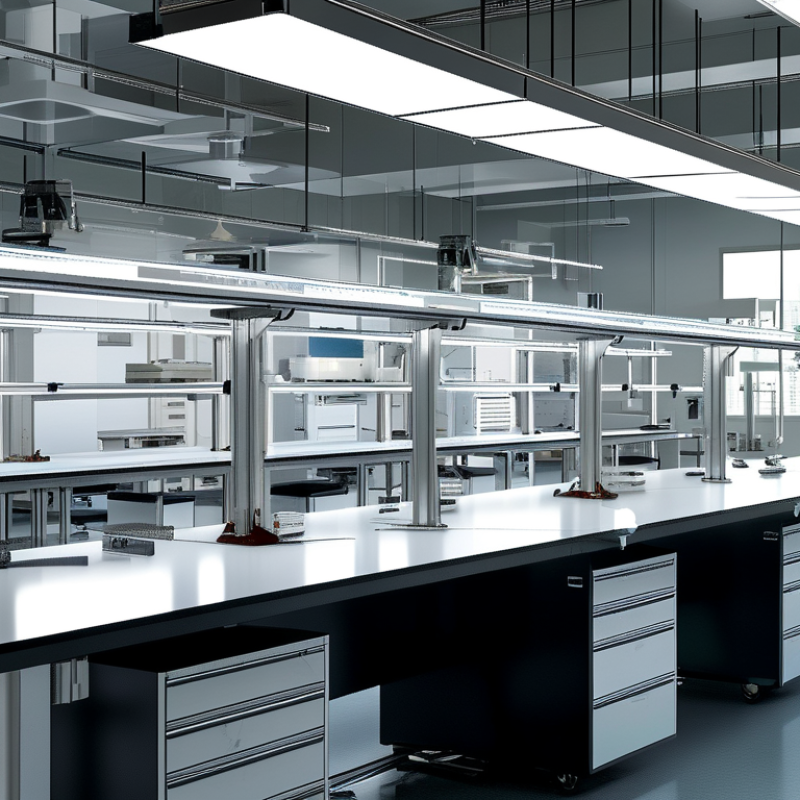
The Importance of Ultra Clean Workbenches in Contamination Control
Ultra clean workbenches play a crucial role in contamination control across various industries. According to a report by the International Organization for Standardization (ISO), over 90% of contamination issues arise from inadequate workspace conditions. This statistic highlights the need for environments that minimize risks. The integration of ultra clean workbenches can decrease the likelihood of contaminant introduction by maintaining controlled air quality and reducing particulate matter.
These workbenches use specialized materials and design principles that limit dust accumulation. Research indicates that surfaces with minimal porosity can reduce microbial adhesion by up to 70%. This is particularly relevant in sectors like pharmaceuticals and biotechnology, where even the smallest contaminant can compromise product integrity. Regular maintenance and monitoring are essential to ensure optimal performance and compliance with industry standards.
While ultra clean workbenches offer significant benefits, challenges remain. Many facilities struggle with the cost of implementing and maintaining these systems. Additionally, staff training is crucial to promote proper usage and upkeep. A failure to educate personnel can lead to lapses in cleaning protocols, potentially undermining the advantages provided by the benches. Thus, continuous assessment and improvement are necessary for effective contamination control.
Key Features of Ultra Clean Workbenches for Optimal Performance
Ultra clean workbenches are designed for environments requiring the highest levels of cleanliness. These workbenches often feature materials resistant to contamination, making them vital in laboratories and medical facilities. According to a 2022 industry report, up to 70% of contamination issues arise from surfaces that aren't regularly sanitized. This underscores the importance of selecting the right workspace.
One key feature of ultra clean workbenches is their integrated airflow systems. These systems have been shown to reduce airborne particles by 95%, significantly lowering contamination risks. Some workbenches also include removable surfaces for easy cleaning, promoting safe and efficient practices. A well-maintained workbench not only improves hygiene but also enhances productivity in sensitive tasks.
While ultra clean workbenches are essential, they're not foolproof. Maintaining cleanliness still relies heavily on user practices. Regular training and adherence to protocols are as vital as the workbench itself. A 2023 study highlighted that 40% of lab contamination incidents resulted from human error rather than equipment failure. This highlights the need for continuous vigilance in any ultra clean workspace.
Why Choose an Ultra Clean Workbench for Your Workspace Needs?
| Feature |
Description |
Benefits |
| Laminar Airflow |
Provides a continuous flow of filtered air to minimize particulate contamination. |
Ensures a sterile environment, critical for sensitive tasks. |
| Antimicrobial Surfaces |
Made from materials that inhibit the growth of bacteria and fungi. |
Reduces the risk of contamination and enhances hygiene. |
| Easy-to-Clean Design |
Smooth surfaces and minimal joints for quick cleaning. |
Saves time and maintains high cleanliness standards. |
| Static Control |
Equipped with materials that dissipate static electricity. |
Protects sensitive electronic components from damage. |
| Modular Accessories |
Includes customizable shelving, lighting, and storage options. |
Enhances functionality and adaptability to specific tasks. |
Impact of Ultra Clean Workbenches on Product Quality and Safety
Ultra clean workbenches play a crucial role in ensuring product quality and safety. These workbenches are designed to minimize contamination in laboratory and manufacturing environments. According to industry reports, up to 70% of product defects can be traced back to environmental contamination. This statistic highlights the significant impact of a clean workspace on overall product integrity.
The adoption of ultra clean workbenches can dramatically reduce risk. A study by the International Organization for Standardization (ISO) found that environments without proper cleanroom practices saw error rates increase by 30%. Such errors often lead to product recalls or safety issues. Workbenches that follow strict cleanliness protocols help ensure that harmful particles, bacteria, and other contaminants are kept at bay.
Moreover, ultra clean workbenches improve compliance with industry regulations. Organizations that fail to maintain these standards may face legal consequences. A 2022 report indicated that companies not adhering to cleanliness standards suffered losses up to 25% in revenue due to non-compliance penalties. Investing in ultra clean technology can thus be seen not just as a cost, but as a vital strategy for sustainable business practices and safety assurance.
Impact of Ultra Clean Workbenches on Product Quality and Safety
Industry Standards and Certifications for Ultra Clean Workbenches
When selecting an ultra clean workbench, understanding industry standards and certifications is crucial. These criteria ensure that the workspace meets specific cleanliness and safety requirements. Many organizations, including laboratories and medical facilities, follow strict regulations. Compliance with these standards reduces the risk of contamination. It also boosts productivity and enhances product quality.
Certifications like ISO 14644 play a vital role in determining the cleanliness of a workspace. This standard measures cleanroom performance and ensures that airborne particulate contamination is controlled. Additionally, a thorough understanding of ASTM and FDA regulations is necessary. These standards guide the materials and processes used in creating ultra clean workbenches. Familiarity with these can help buyers make informed decisions. However, sometimes organizations might overlook the importance of ongoing compliance. Regular audits and updates are essential for maintaining high standards.
It's easy to assume that initial certification guarantees ongoing cleanliness. Yet, neglect can lead to lapses over time. Workbench users must engage in regular maintenance and training. Staff should be well-versed in protocols to ensure their work environment remains ultra clean. Implementing these standards effectively can create a safer, more efficient workspace.
Cost-Benefit Analysis: Investing in Ultra Clean Workbenches for Your Workspace
Investing in ultra clean workbenches can significantly enhance workspace efficiency and safety. According to a report by the International Cleanroom Standards Association, maintaining a clean environment can reduce contamination risk by over 70%. This statistic highlights the value of an ultra clean workbench in healthcare and laboratory settings. Furthermore, the initial investment may lead to lower operational costs in the long run. Studies show that facilities that prioritize cleanliness often experience fewer product recalls and improved overall productivity.
Consider these tips to maximize your investment. Regular maintenance is essential for ensuring long-term effectiveness. Schedule routine checks to maintain cleanliness standards. Additionally, train staff on proper usage and cleaning protocols. This can further reduce risks associated with contamination. Providing clear guidelines for workspace management can lead to more responsible behavior among team members.
Reflect on the potential downsides as well. Ultra clean workbenches may require higher initial costs. The materials used may not always be as durable as traditional surfaces. Balancing the budget against the benefits of reduced contamination is essential for any business. Ultimately, weighing these factors helps in making informed decisions about workspace investments.