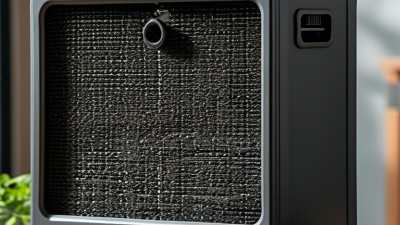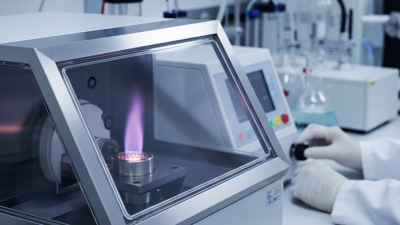
Choosing an Atomic Absorption Cover is not just a matter of comparing prices. Fit, material, and access can affect routine laboratory work. Depending on the instrument design, a cover may help limit dust exposure or protect selected components. Small differences matter. A poorly matched part can complicate maintenance or leave areas insufficiently protected.
This guide introduces ten Chinese manufacturers and explains practical points buyers can check before requesting a quotation. These include product dimensions, material specifications, compatibility details, customization options, inspection procedures, delivery estimates, and support after purchase. Ask for drawings or clear product photographs when available. Confirm whether a supplier makes the cover directly or sources it from another company. That distinction may affect communication and accountability. No ranking can suit every laboratory, and company information can change. A listing alone is not proof of product quality. It is worth checking claims against current documentation and asking precise questions about the intended instrument. The comparison should help readers narrow their options, not replace technical review. Some details may remain unclear until a supplier responds. That is worth noting. A careful selection process can reduce avoidable fit problems and make supplier discussions more useful.
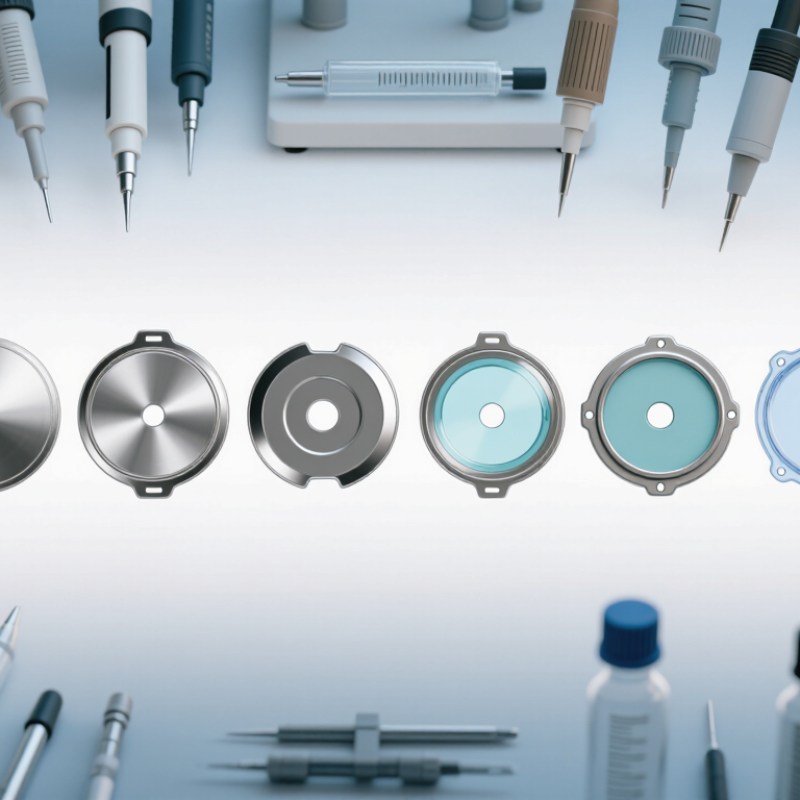
Atomic absorption spectroscopy (AAS) measures metals by tracking how free atoms absorb element-specific light. In routine laboratories, “atomic absorption covers” usually means protective instrument covers or lids for sample vessels. They serve different purposes: an instrument cover limits dust on optical and control surfaces, while a vessel lid helps reduce airborne contamination and evaporation. Neither replaces cleaning, calibration, or proper sample handling.
Applications range from checking metals in water and soil extracts to testing industrial and food-related samples. The U.S. Environmental Protection Agency’s SW-846 Method 7000B describes flame atomic absorption for metals in environmental samples.
It calls for a calibration curve with a correlation coefficient of at least 0.995. That figure concerns analytical calibration, not cover performance.
Small details matter. A poorly fitted cover can obstruct an autosampler, trap moisture, or interfere with instrument access.
When selecting a cover, laboratories should check dimensions, material compatibility, heat exposure, and cleaning requirements. Transparent materials may seem convenient, but they can still scratch or collect residue. A common specification gap is treating every cover as interchangeable. It is not. Confirming the instrument model and actual workflow is more reliable than choosing by appearance alone. EPA Method 7000B also emphasizes method-specific quality control, so protective accessories should support—not interrupt—the validated procedure.
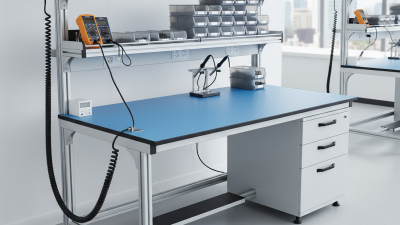
Atomic absorption instruments need protection from dust, splashes, and workshop handling when idle. Manufacturing usually starts by turning instrument dimensions into a fitted cover. Buyers share measurements, storage conditions, and access requirements. Small details matter. A cover that blocks controls can slow routine checks.
Manufacturers may use coated woven fabric, nonwoven material, or flexible polymers, depending on cleaning needs and the surrounding environment. They cut panels, join seams, and add openings for cables or handles. Some designs include clear panels or reinforced corners. Material choice should suit actual use, not just price. There is no universal specification.
Production often begins with a drawing or sample, followed by a fit check. Inspectors can review dimensions, seam strength, surface finish, and packaging before shipment. Reliable suppliers keep records of material batches and design changes, helping buyers verify repeat orders. The process is not flawless. Measurements can miss protruding knobs, and a rushed sample may hide problems until daily use. China’s manufacturing network includes small sewing workshops and specialized fabricators. Clear drawings and careful communication reduce mismatches, especially around cable routing and instrument depth.
A credible ranking of Chinese atomic absorption cover manufacturers should begin with product fit, not promotional claims. Check whether each supplier can match the instrument’s dimensions, including the front panel, hinges, vents, and cable openings. Ask for a dimensioned drawing and a sample before ordering. Small gaps can let dust reach controls; tight seams may snag on corners. Covers should be used only as directed by the instrument manual.
Material quality deserves clear evidence. Manufacturers should identify fabric or polymer types and provide relevant test records for durability, stitching, and cleaning compatibility. Compare seam consistency, edge finishing, and resistance to everyday abrasion. A well-made cover should fit smoothly without blocking labels or access points. Quality-control records, batch traceability, and realistic delivery commitments also matter. These details are easier to verify than broad claims of “premium” production. No ranking is perfect; public information may be incomplete, so scores should reflect evidence rather than assumptions.
Profiles of ten leading atomic absorption cover manufacturers are most useful when they compare practical capabilities, not just catalogue claims. One focuses on precision-cut panels; another makes custom enclosures for unusual instrument layouts. A third offers corrosion-resistant finishes, while a fourth emphasizes easy-clean surfaces. A modular-design maker can simplify access to lamps and sample areas. Details matter.
Other profiles may highlight small-batch production, OEM fabrication, or covers designed around specific laboratory workflows. One manufacturer may prioritize thermal stability near heated components; another may offer replaceable panels after routine wear. A service-oriented supplier can help confirm dimensions before production. Ask for material specifications, drawings, and sample-fit guidance. Ten profiles should make these differences clear.
No profile is flawless. A polished finish does not prove long-term durability, and a low price may exclude useful fittings. Compare hinge quality, edge finishing, ventilation needs, and cleaning instructions. Check whether the stated dimensions include handles or mounting lips. These small details can decide whether a cover fits safely and stays practical during daily laboratory work.
When comparing atomic absorption cover manufacturers, start with fit and material rather than appearance. A cover should match the instrument’s dimensions, leave vents unobstructed, and stay secure during routine use. Check whether the material resists dust, splashes, and common cleaning agents used in your laboratory.
Clear product drawings and measured specifications are more useful than broad claims. Fit matters. Ask whether covers are available in different sizes, thicknesses, or configurations, and request a sample when tolerances are unclear.
Quality standards need careful reading. A supplier may describe inspection procedures, material traceability, or quality-system certification, but these details are not interchangeable. Request current documents and confirm what each certificate actually covers.
Small details count. Supplier service also affects the comparison: responsive technical support can help resolve fit questions, while clear lead times and replacement policies reduce purchasing uncertainty. Ask how defects are handled and whether custom orders require approval drawings.
One weakness in many comparisons is relying on catalog photos alone; they rarely show seams, edge finish, or how a cover sits around cables. A short, practical checklist can make quotations easier to assess.