Top 10 Anti Static Workbenches for Your Business Needs?
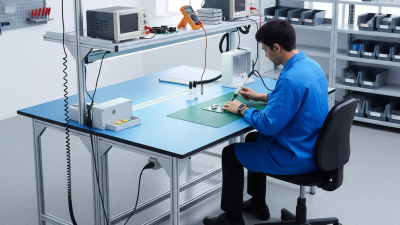
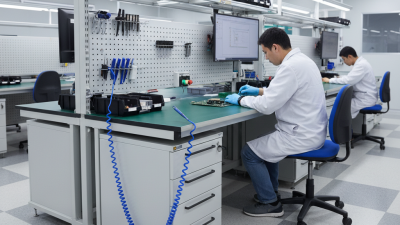
In today’s technology-driven landscape, the proper equipment is crucial for maintaining efficiency and safety in the workplace. One essential piece of equipment is the Anti-Static Workbench. The Electronics Industry Association reports that electrostatic discharge (ESD) causes billions in damage annually. This highlights the importance of investing in anti-static solutions.
Choosing the right Anti-Static Workbench can significantly reduce the risk of ESD-related failures. These workbenches are designed to dissipate static electricity effectively. Without proper protection, sensitive components can suffer irreversible damage. The demand for robust anti-static solutions is evident, particularly in electronics manufacturing and assembly.
However, not all Anti-Static Workbenches are created equal. Businesses often overlook key features such as grounding capabilities and build quality. It is essential to choose a workbench that meets specific industry standards. This can be challenging but is vital for long-term reliability and safety. Proper consideration can save companies from costly downtime and repairs.
Understanding the Importance of Anti-Static Workbenches in Business
Anti-static workbenches play a crucial role in various industries. They minimize static electricity and protect sensitive electronic components. According to a report by the Critical Environment Technologies Group, static electricity is responsible for significant equipment damage, costing businesses over $5 billion annually. This underscores the necessity of investing in the right workbench.
Each anti-static workbench is designed with specific materials and grounding technologies. They often feature laminated surfaces that prevent static build-up. The grounding points allow for easy connection to static dissipative systems, which help manage electric discharge effectively. A study by the Electrostatic Discharge Association highlighted that proper grounding can reduce failure rates of electronic devices by up to 30%.
Despite their advantages, the selection of anti-static workbenches should be handled with care. It's essential to match the workbench material to operational needs. Some businesses choose cheaper options, overlooking that these might not meet safety standards. Investing in quality can sometimes feel unnecessary until it’s too late, leading to costly mistakes. Each decision needs reflection to ensure reliability in your work environment.
Key Features to Look for in an Anti-Static Workbench
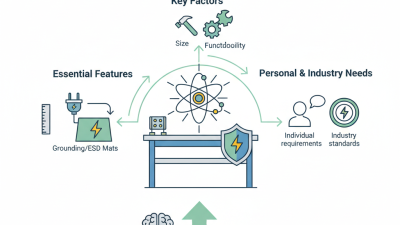
When selecting an anti-static workbench, focus on essential features that enhance performance and safety. The anti-static material is crucial. It should effectively dissipate static electricity to protect sensitive electronic components. Look for a workbench surface with ESD (Electrostatic Discharge) laminate. This choice reduces the risk of damaging your equipment.
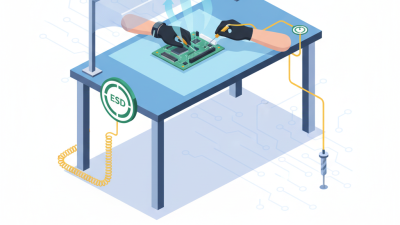
Next, consider the grounding system. A reliable grounding system connects the workbench to the earth. This connection is vital for proper static control. It also ensures that operators are protected when handling electronic parts. Test different options to see which one meets your needs best.
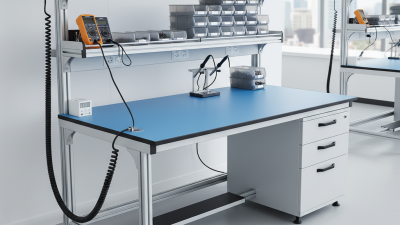
Storage options are another key feature. A well-designed workspace should have ample storage for tools and components. Drawers and shelving help keep the area organized. Clutter can lead to mistakes, so easy access to materials is essential. Evaluate how each workbench accommodates your workflow for better efficiency. These details matter in creating a safer, more effective workspace.
Top 10 Recommended Anti-Static Workbenches for Various Industries
Choosing the right anti-static workbench is essential for various industries. These workbenches protect sensitive equipment and personnel from electrostatic discharge (ESD). A well-designed anti-static workbench creates a safe working environment. It ensures precision in electronics, manufacturing, and laboratory settings.
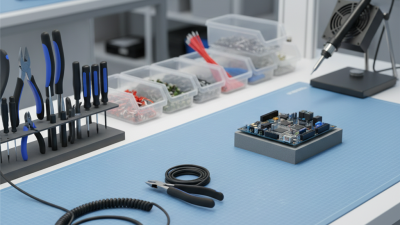
Many factors influence a workbench's effectiveness. Consider the materials used in construction. Look for surfaces that dissipate static effectively. Choose workbenches with grounding options to enhance safety. Accessories like ESD mats or wrist straps can further improve protection.
Tips: Always assess your workspace needs before purchasing. What equipment will you use? Will you need extra storage? Identify these requirements early. For specific industries, like electronics, durability and mobility may matter more. Ensure the design accommodates your workflow seamlessly. An ill-suited workbench can lead to inefficiency and risks. Prioritizing safety can lead to better productivity in the long run.
Comparative Analysis of Anti-Static Workbench Materials and Designs
When selecting an anti-static workbench, material and design play crucial roles. Common options include laminate, steel, and wood. Laminate surfaces are affordable and provide decent protection against static electricity. However, they can wear out quickly under heavy use. Steel workbenches offer durability and excellent grounding, reducing the risk of static buildup. But they can be heavy and might require additional maintenance.
Design factors must also be considered. Some workbenches have built-in grounding features, which enhance safety. Others prioritize ergonomics, ensuring comfort during long work sessions. A bench with adjustable height can be beneficial, although it might add to the cost. Additionally, the surface finish can affect static dissipation. A textured finish may help with grip but can also accumulate dust, which needs regular cleaning.
Choosing the right anti-static workbench is not a simple task. Each material and design type has its pros and cons. Businesses often face challenges when balancing cost, durability, and functionality. Evaluating specific use cases can lead to better decisions. Understanding the nuances of materials and designs ensures an investment that pays off over time.
Top 10 Anti Static Workbenches for Your Business Needs
Maintaining and Caring for Your Anti-Static Workbench for Longevity
Maintaining your anti-static workbench is crucial for its longevity and performance. Regular cleaning is essential. Use an anti-static cleaner that’s safe for your surface. Avoid abrasive materials that can scratch the surface and reduce effectiveness. A study from the ESD Association highlights that 62% of static-related failures are due to improper maintenance of work surfaces.
Inspecting your workbench regularly can prevent larger issues. Check for wear and tear, especially in grounding cords. Ensure all grounding points are intact. A report from IPC indicates that nearly 30% of workplaces experience static discharge problems, which could be mitigated through proper care. A good practice is to keep the surface clutter-free, as items can inadvertently create charge buildup.
Consider the environment where the workbench is situated. High humidity and temperature fluctuations can impact anti-static effectiveness. Place humidity monitors nearby to ensure levels remain optimal. According to industry standards, humidity levels between 30% and 60% are ideal. Managers often overlook this, leading to decreased efficiency. A well-cared-for anti-static workbench can significantly reduce electronic failure rates, enhancing overall productivity.
Top 10 Anti Static Workbenches for Your Business Needs
| Workbench Model |
Size (L x W x H) |
Material |
Weight Capacity |
Price ($) |
Warranty |
| Model A |
60 x 30 x 36 in |
Steel |
500 lbs |
299 |
3 years |
| Model B |
72 x 36 x 30 in |
Aluminum |
600 lbs |
399 |
5 years |
| Model C |
48 x 24 x 30 in |
Wood |
300 lbs |
199 |
2 years |
| Model D |
60 x 30 x 34 in |
Plastic Laminate |
400 lbs |
279 |
3 years |
| Model E |
72 x 30 x 36 in |
Steel |
800 lbs |
499 |
5 years |
| Model F |
60 x 30 x 36 in |
Vinyl |
350 lbs |
229 |
2 years |
| Model G |
72 x 36 x 30 in |
Metal |
700 lbs |
399 |
4 years |
| Model H |
48 x 24 x 30 in |
Wood Composite |
250 lbs |
149 |
1 year |
| Model I |
60 x 30 x 36 in |
Heavy Duty Steel |
600 lbs |
389 |
3 years |
| Model J |
72 x 36 x 30 in |
Plastic |
500 lbs |
259 |
2 years |