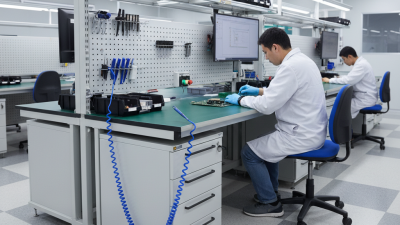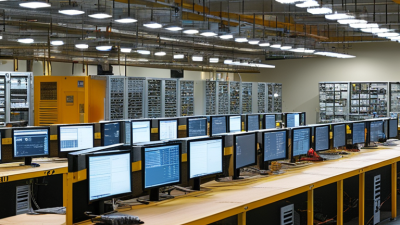
In today’s manufacturing environment, the importance of an Anti-Static Workbench cannot be overstated. Jason Reed, an expert in static control solutions, once said, “An Anti-Static Workbench is crucial for maintaining product integrity.” The rise of sensitive electronic components makes it essential to minimize static discharge risks.
An Anti-Static Workbench creates a controlled environment. It reduces the possibility of damage caused by electrostatic discharge (ESD). Many manufacturers overlook this critical aspect. They might choose standard work surfaces, risking significant losses. Investing in an Anti-Static Workbench is more than a precaution; it’s a necessary strategy for success in manufacturing.
Proper setup and maintenance of an Anti-Static Workbench can enhance product quality. However, companies sometimes underestimate its value. Choosing suitable materials and grounding options requires informed decisions. A well-designed workbench helps ensure the longevity of products and equipment. Without it, organizations may face costly setbacks. Understanding the implications of static control is vital for any manufacturing entity.
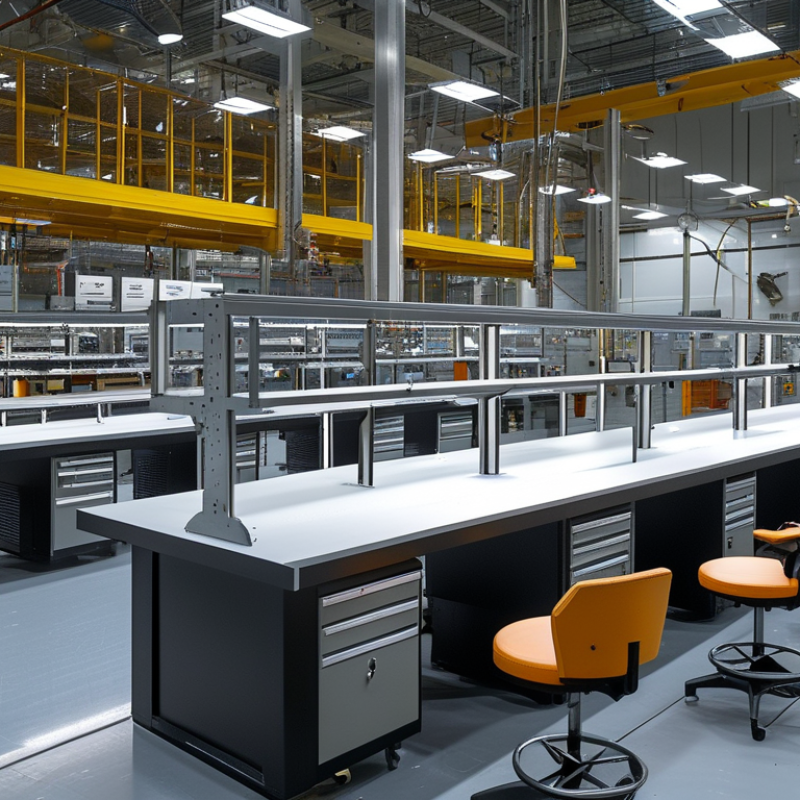
Choosing an anti-static workbench for manufacturing offers numerous advantages. These workbenches are essential in environments where electronic components are assembled or repaired. One benefit is their ability to prevent electrostatic discharge (ESD), which can damage sensitive devices. By dissipating static electricity, these workbenches protect your products and maintain quality.
In addition to protecting equipment, anti-static workbenches enhance safety in the workplace. Employees can work without the fear of static shocks. This is crucial in industries handling delicate electronics. A safer environment leads to increased productivity and employee satisfaction.
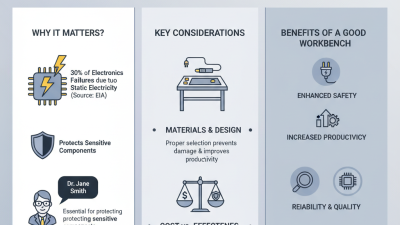
When selecting an anti-static workbench, consider the material and design. Some surfaces provide better ESD protection than others. Ensure the work area is spacious enough for tools and components. Pay attention to proper grounding; it is vital for effective ESD control.
Being aware of how dust and contaminants affect static electricity is important too. Regular maintenance and cleaning can significantly reduce static buildup. Evaluate whether the workbench design accommodates storage needs for tools. A well-thought-out workspace maximizes efficiency and reduces potential mistakes.
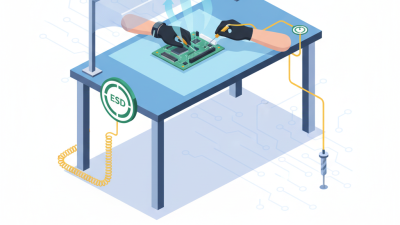
Electrostatic Discharge (ESD) can cause significant damage to sensitive electronic components. It occurs when there is a build-up of electric charges on the surface of objects. According to the ESD Association, over 30% of electronic failures are attributed to ESD-related incidents. This highlights the critical need for effective measures in manufacturing environments.
An anti-static workbench serves as a vital solution. These workbenches are designed to dissipate static electricity, protecting valuable equipment and ensuring the safety of the manufacturing process. A study by IPC revealed that proper ESD protection can decrease failure rates by up to 70%. Yet, many facilities neglect the installation of these essential workspaces, risking costly damages and production delays.
Implementing such measures requires investment and commitment. Many companies might overlook the need for ongoing training and maintenance of ESD workflows. Regular assessments of equipment and workstations are necessary. This is a point often missed in production environments. ESD protection is not a one-time fix; it demands continuous attention and awareness. Awareness of ESD is crucial, especially in industries where precision and reliability are paramount.
| Feature | Description | Impact on Equipment |
|---|---|---|
| ESD Protection | Anti-static surfaces that prevent buildup of electrostatic charge. | Reduces risk of damage to sensitive electronic components. |
| Durability | Built from sturdy materials that can withstand industrial use. | Longer lifespan and reduced replacement costs for workstations. |
| Ergonomics | Designed to promote comfortable use and reduce strain. | Increases operator productivity and satisfaction. |
| Compliance | Adheres to ESD safety standards in manufacturing environments. | Ensures safety protocols are met, protecting both equipment and personnel. |
| Versatility | Can be adapted for various tasks with additional accessories. | Supports multiple workflows, increasing efficiency. |
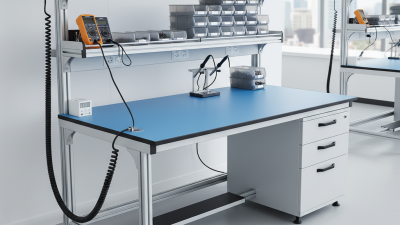
When selecting an anti-static workbench for your manufacturing needs, it's essential to consider specific features that enhance functionality. One of the most crucial elements is the work surface material. Look for surfaces that dissipate static effectively, such as laminate or vinyl. These materials can help maintain a safe environment for sensitive electronic components.
Additionally, consider the design of the workbench. Adjustable height options can accommodate various tasks and user preferences. A well-designed workbench should also have ample storage solutions such as drawers and shelves. It is vital to think about workspace organization, as clutter can lead to accidents. Moreover, ensure that the workbench is stable and sturdy, as a wobbly surface can undermine precision during assembly or repairs.
Cable management systems are another key feature. They help keep wires organized, preventing tangling or accidental damage. Not every workbench comes with an integrated system, so it’s worth looking for models that do. Don’t overlook the importance of grounding options as well. A reliable grounding point is essential for discharging static electricity safely. Consider these features carefully to make an informed decision, ensuring your anti-static workbench meets safety and efficiency standards.
When evaluating workstations for manufacturing, anti-static workbenches stand out for their unique benefits. Traditional workbenches can pose risks, particularly in electronics manufacturing. According to a report by IPC, over 40% of electronic failures are attributed to ESD damage. This statistic reveals the vulnerabilities present in standard work environments, where static electricity can wreak havoc on sensitive components.
In contrast, anti-static workbenches are specifically designed to mitigate these risks. They employ materials that dissipate static charges, significantly reducing the likelihood of ESD events. A study from the ESD Association indicates a 90% reduction in damage incidents when using anti-static surfaces. This statistic highlights their importance, especially in high-stakes environments. Manufacturers can improve production yields and product reliability by adopting such specialized workstations.
However, it is critical to consider the potential downsides. While anti-static workbenches provide essential protection, they can often incur higher initial costs. Some manufacturers may hesitate due to budget constraints. It's also essential to train staff effectively on their use. Without proper training, the effectiveness of the anti-static features may diminish. Balancing these factors is crucial for making informed decisions in manufacturing settings.
Investing in anti-static workbenches can significantly enhance a manufacturing operation. These surfaces are essential for environments where sensitive electronic components are handled. Static electricity can lead to severe damage, resulting in high costs for repairs or replacements. By employing anti-static workstations, businesses safeguard their investments and maintain consistent product quality.
The upfront cost of anti-static workbenches may seem high, but this investment pays off over time. Lower failure rates for electronic components mean fewer replacements. This reduces production downtime and enhances overall efficiency. Additionally, protecting sensitive equipment contributes to savings in the long run. Companies often overlook the cumulative financial impact of static damage. They might prioritize cheaper workstations without recognizing the hidden costs involved.
Choosing an anti-static workbench also fosters a culture of safety and professionalism within the workplace. Employees feel more secure in their environment, leading to increased productivity. However, some businesses may hesitate, thinking it's just an added expense. Reflecting on this choice is crucial. In the end, the decision to invest in anti-static workbenches is not just about immediate costs but the long-term benefits for the organization.